

Italy
Capital: Rome · Europe
Italy is a cradle of European civilisation and a global icon of art, fashion and food. This boot-shaped nation of about 59 million people gave the world the Roman Empire and the Renaissance, leaving countless treasures that shaped human culture. From the ruins of Rome and the art of Florence to the canals of Venice and the hills of Tuscany, Italy draws tens of millions of visitors. A member of the G7, it is strong in design, luxury goods and machinery. Italy's aesthetic sensibility and cultural depth are an indispensable chapter in understanding European civilisation.
Italy in world rankings
- 24th largest by population in the world (of 219)
- 74th largest by area in the world (of 219)
- 8th largest economy (GDP) in the world (of 178)
- 22nd highest GDP per capita in the world (of 178)
- Capital
- Rome
- Population
- 58,850,717
- Area
- 302,068 km²
- Currency
- euro
- GDP
- $2.55T
- GDP per capita
- $43,309
- Life expectancy
- 84.0 yrs
- Urban population
- 70%
- Calling code
- +39
- Internet users
- 89%
- Forest cover
- 33%
- Languages
- Italian
Italy compared with Taiwan
How Italy measures up against Taiwan — home to 23.3 million people across 36,193 km².
Countries bordering Italy


.svg%3Fwidth%3D320)
Latest news — Italy
More news →Andorra and San Marino Sign Historic Association Agreements with the European Union
Andorra and San Marino have officially signed association agreements with the European Union, marking a historic milestone in the integration of Europe’s m
ECB Authorizes UniCredit to Exceed 30 Percent Stake in Commerzbank
The European Central Bank has officially authorized Italy’s UniCredit to increase its stake in Germany’s Commerzbank above the 30 percent threshold without
French Cyclist Paul Seixas Becomes Youngest Rider to Win Giro di Lombardia
French cyclist Paul Seixas secured a historic victory on Saturday at the 120th edition of the Giro di Lombardia in Italy, claiming the prestigious one-day
Putin Approves Decree Enabling UniCredit to Sell Russian Business to UAE Investor
Russian President Vladimir Putin has approved a decree allowing Italian banking giant UniCredit to restructure its Russian subsidiary and sell the majority
Gerardo Giovagnoli and William Casali Sworn In as San Marino’s New Captains Regent
Gerardo Giovagnoli and William Casali were sworn in today as the new Captains Regent of San Marino, officially taking up their duties as heads of state for
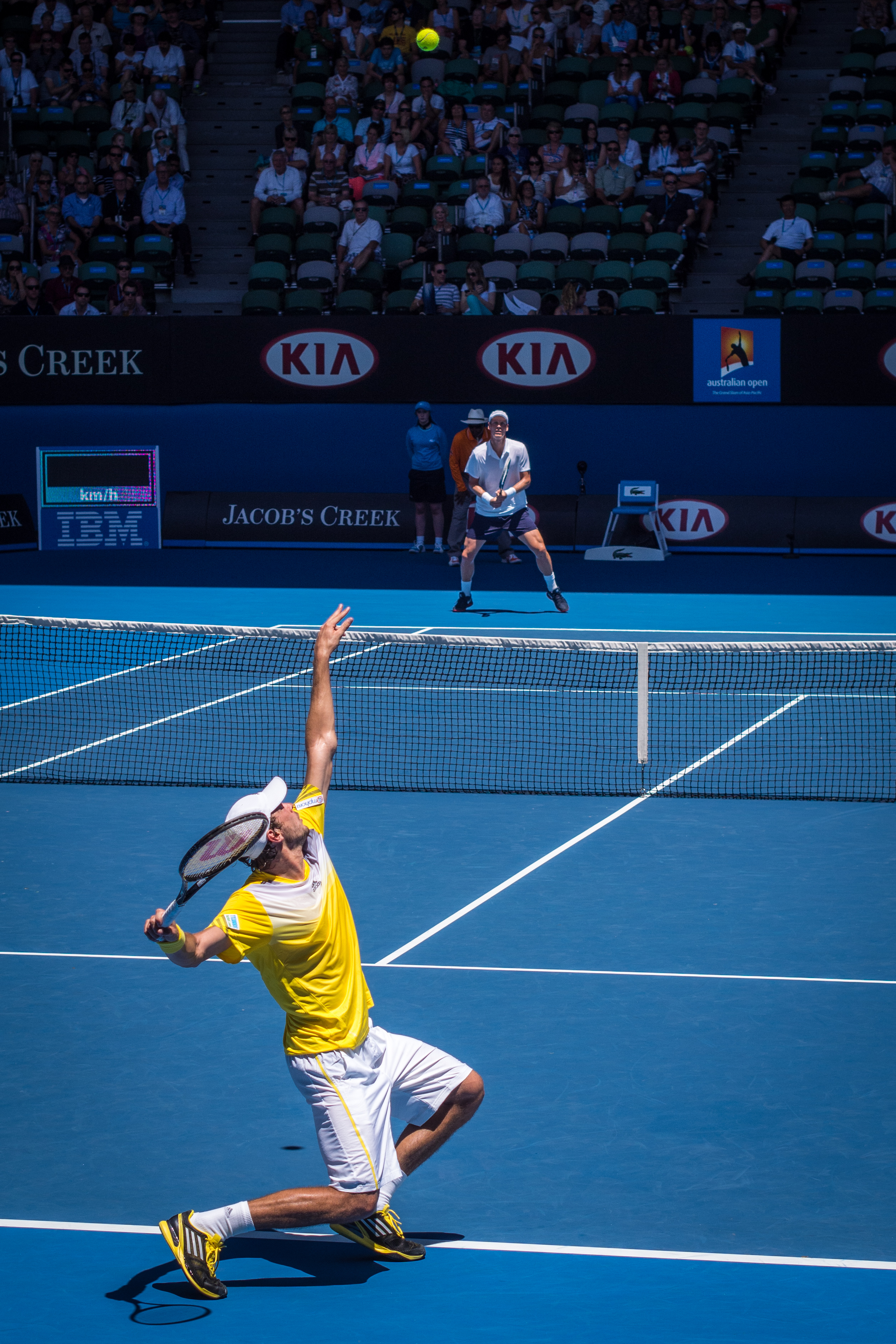
Ukraine Reaches Billie Jean King Cup Final After Victory Over Italy
On Saturday night in Moscow, the Ukrainian Billie Jean King Cup team secured its first appearance in the competition’s final after a 2‑0 victory over the d
Country profile
Background
Italy became a nation-state in 1861 when the regional states of the peninsula, along with Sardinia and Sicily, were united under King Victor EMMANUEL II. An era of parliamentary government came to a close in the early 1920s when Benito MUSSOLINI established a Fascist dictatorship. His alliance with Nazi Germany led to Italy's defeat in World War II. A democratic republic replaced the monarchy in 1946, and economic revival followed. Italy is a charter member of NATO, as well as the European Economic Community (EEC) and its successors, the EC and the EU. It has been at the forefront of European economic and political unification, joining the Economic and Monetary Union in 1999. Persistent…
Location
Southern Europe, a peninsula extending into the central Mediterranean Sea, northeast of Tunisia
Climate
predominantly Mediterranean; alpine in far north; hot, dry in south
Terrain
mostly rugged and mountainous; some plains, coastal lowlands
Natural resources
coal, antimony, mercury, zinc, potash, marble, barite, asbestos, pumice, fluorspar, feldspar, pyrite (sulfur), natural gas and crude oil reserves, fish, arable land
Ethnic groups
Italian (includes small clusters of German-, French-, and Slovene-Italians in the north, Albanian-Italians, Croat-Italians, and Greek-Italians in the south)
Religions
Christian 80.8% (overwhelmingly Roman Catholic with very small groups of Jehovah's Witnesses and Protestants), Muslim 4.9%, unaffiliated 13.4%, other 0.9% (2020 est.)
Government
parliamentary republic
Economy
high-income, core EU economy; strong services, manufacturing, and tourism sectors; modest growth supported by net exports, low inflation, and public investments via EU funds; tight labor market with aging workforce and shortages in specialized skills; high public debt levels
Italy · Travel guide
Understand
Italy, officially the Italian Republic (Repubblica italiana), is largely a peninsula situated on the Mediterranean Sea, bordering France, Switzerland, Austria, and Slovenia in the north. The boot-shaped country is surrounded by the Ligurian Sea, the Sardinian Sea and the Tyrrhenian Sea in the west, the Sicilian and Ionian Sea in the South, and Adriatic Sea in the East. Italian is the official language spoken by the majority of the population, but as you travel throughout the country, you will find there are distinct Italian dialects corresponding to the region you are in. Italy has a diverse landscape, but it is primarily mountainous, with the Alps and the Apennines. Italy has two major islands: Sardinia, off the west coast of Italy, and Sicily, just off the southern tip (the "toe") of the boot. Italy has a population of around 60 million. The capital is Rome.
History
Prehistory There have been humans on the Italian peninsula for at least 200,000 years. The Etruscan civilization lasted from prehistory to the 2nd century BC. The Etruscans flourished in the centre and north of what is now Italy, particularly in areas now represented by northern Lazio, Umbria and Tuscany. Rome was dominated by the Etruscans until the Romans sacked the nearby Etruscan city of Veii in 396 BC. In the 8th and 7th centuries BC, Greek colonies were established in Sicily and the southern part of Italy and the Etruscan culture rapidly became influenced by that of Greece. This is well illustrated at some excellent Etruscan museums; Etruscan burial sites are also well worth visiting.
The Roman Empire
Ancient Rome was at first a small village founded around the 8th century BC. In time, it grew into one of the most powerful empires the world has ever seen, surrounding the whole Mediterranean
See
There is so much to see in Italy that it is difficult to know where to b
Getting there
Italy is a member of the Schengen Agreement. See Travelling around the Schengen Area for more information on how the scheme works, what countries are members and what the requirements are for your nationality. In summary:
There are normally no immigration controls between countries that have signed and implemented the treaty; there may be such controls temporarily, such as in connection with important events and various crises. The operators may carry out identity checks before passengers board international flights, ferries or trains, even between Schengen countries. Citizens of the EEA countries and Switzerland do not need visas to travel in the Schengen area, and may stay up to 90 days with no requirements other than having a valid ID card or passport. See European Union#EEA citizens. Normal visas granted by any Schengen member are valid in all countries that have signed and implemented the treaty (with exceptions for some overseas territories). The granting country may offer additional rights (such as longer stays or right to work) that apply only locally. In addition, citizens of San Marino may enter and reside in Italy indefinitely without a visa. Foreign military entering Italy under a Status of Forces Agreement do not require a passport and need only show their valid military identification card and travel orders. Their dependents, however, are not exempt from visa requirements. All non-EU, EEA or Swiss citizens staying in Italy for 90 days or less have to declare their presence in Italy within 8 days of arrival. If your passport was stamped on arrival in Italy, the stamp counts as such a declaration. Generally, a copy of your hotel registration will suffice if you are staying at a hotel. Otherwise, however, you will have to go to a police office to complete th
Getting around
By train
Trains in Italy are generally good value, somewhat frequent, and nowadays quite reliable. Trenitalia is the main operator throughout the country, operating both high-speed and regional services, while Italo offers competition on all major high-speed routes.
Trenitalia (FSI), ☏ +39 892021. Trenitalia runs a wide range of train types: high-speed trains (Frecciarossa; Frecciargento; Frecciabianca), Intercity, regional trains (Regionali; Regionali Veloci) and international trains (Eurocity; Euronight). High-speed trains are very comfortable, travelling up to 360km/h and stopping only at major stations and connect only the main cities. They charge a supplement to the standard ticket, which includes the booking fee. Regional trains are the slowest, cheapest and least reliable, stopping at all stations. Intercity trains are somewhere between high-speed and local trains. They are generally reliable. (updated Sep 2016) Italo (NTV), ☏ +39 060708. Italo's high-speed trains serve all major cities. The service is comparable to Trenitalia if not better, and prices tend to be lower, particularly if booked in advance.
Train types On long-distance trains there are 1st and 2nd classes. A 2nd class ticket costs about 80% the price of a 1st class ticket. On high-speed trains you can also choose between basic, standard and flexible tickets. Basic tickets are of course the cheapest. During commuter hours, on major north-south routes during the holidays, or before and after large political demonstrations, trains on the lower train types are often overcrowded. Although between Milan and Naples (including Bologna; Florence and Rome), high-speed trains cut travel times in half, on other routes, such as between Rome and Genoa, Naples and Reggio Calabria, Venice and Trieste, the
Cities & destinations in Italy 307
World Heritage in Italy 6
Museums in Italy 6
National parks in Italy 6
Airports in Italy 60
Tallest buildings in Italy 12
Caves in Italy 12
Nature reserves in Italy 12
Ports in Italy 12
Railway stations in Italy 12
Hospitals in Italy 12
Hotels in Italy 12
Shopping malls in Italy 6
Aquariums in Italy 12
Stately homes & country houses in Italy 6
Churches in Italy 12
Gardens in Italy 12
City parks in Italy 12
Notable schools in Italy 12
Music venues in Italy 12
Arenas in Italy 12
Casinos in Italy 2
Racecourses in Italy 12
Breweries in Italy 6
Cemeteries in Italy 12
Observatories in Italy 12
Ski resorts in Italy 9
Prisons in Italy 12
Mines in Italy 7
Amusement parks in Italy 11
Reservoirs in Italy 12
Zoos in Italy 12
Canals in Italy 12
Palaces in Italy 12
Botanical gardens in Italy 12
Squares & plazas in Italy 12
Monuments & memorials in Italy 12
Libraries in Italy 12
Forts & fortresses in Italy 12
Tunnels in Italy 12
Power stations in Italy 12
Glaciers in Italy 8
Archaeological sites in Italy 12
Monasteries in Italy 12
Synagogues in Italy 12
Mosques in Italy 2
Cathedrals in Italy 12
Tallest towers in Italy 12
Tallest dams in Italy 10
Explore Italy by category
Country fields from Wikidata (CC0); flag via Wikimedia Commons; profile from the CIA World Factbook (public domain); travel guide from Wikivoyage (CC BY-SA); GDP, GDP per capita and life expectancy from World Bank Open Data (CC BY 4.0).