Mercedes Driver Kimi Antonelli Becomes Youngest Formula One World Champion
Italian rising star Kimi Antonelli secured the Formula One World Drivers' Championship at the Mexico City Grand Prix, capturing the world title at just 20
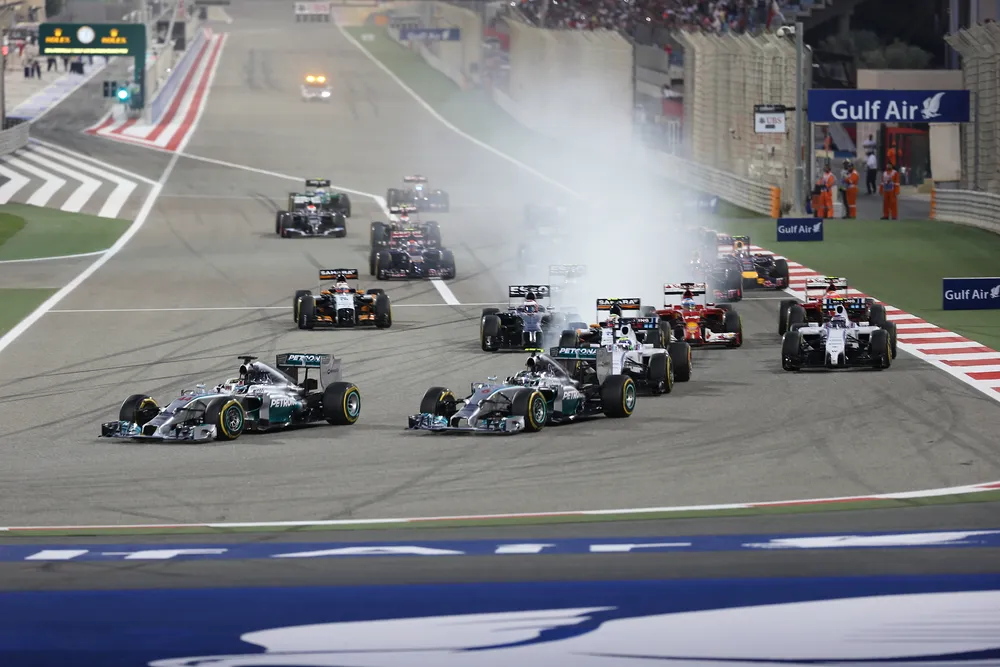
Italian rising star Kimi Antonelli secured the Formula One World Drivers' Championship at the Mexico City Grand Prix, capturing the world title at just 20 years and 68 days of age. Driving for the Mercedes-AMG Petronas F1 Team, Antonelli crossed the finish line in third place, accumulating enough points to mathematically seal the championship with rounds still remaining in the season. The milestone achievement marks a historic generational shift in the pinnacle of motorsport, crowning the young driver as the youngest world champion in the history of the sport.
Antonelli’s rapid ascent through the motorsport ranks has been closely watched since his karting days. Drafted directly into Formula One following accelerated stints in junior single-seater categories regulated by the Fédération Internationale de l'Automobile (FIA), the Italian prodigy bypassed traditional multi-year developmental pacing. The FIA’s global "formula" structure—comprising regulated tiers from Formula Four and Regional Formula Three up to Formula Two—serves as the primary career ladder for open-wheel racing. While lower categories traditionally operate as feeder series to prepare drivers for the immense physical, technical, and psychological demands of top-level competition, Antonelli adapted to the premier class with unprecedented speed.
The championship battle this season unfolded against the backdrop of a tightly contested technical landscape governed by Formula One's strict regulations. Formula racing encompasses both "open" formulas, which allow teams a choice of chassis and engine manufacturers, and "spec" or control formulas that mandate standardized equipment to contain costs and level the playing field. Formula One operates firmly in the former category, where constructors design and manufacture their own aerodynamic packages and power units, placing a premium on engineering innovation alongside driver capability. Mercedes navigated these complex development cycles effectively, providing Antonelli with a competitive machine capable of consistently fighting at the front of the grid.
Mercedes' decision to place immense trust in a teenage rookie ahead of the season was seen as a bold gamble, particularly given the intense scrutiny that accompanies a top-tier seat. Yet, the team's investment paid dividends as Antonelli demonstrated maturity beyond his years, managing tyre degradation, race strategy, and high-pressure wheel-to-wheel combat against seasoned world champions. This historic triumph not only cements Antonelli’s status as a generational talent but also validates Mercedes' long-term driver development strategy, ensuring the team remains a dominant force as the sport looks toward its future regulatory eras.
Produced by our editorial team, with AI assistance in editing.