Mercedes Driver Kimi Antonelli Becomes Formula One's Youngest World Champion
Italian driver Kimi Antonelli secured the Formula One World Drivers' Championship on Sunday after finishing third at the Mexico City Grand Prix. Driving fo
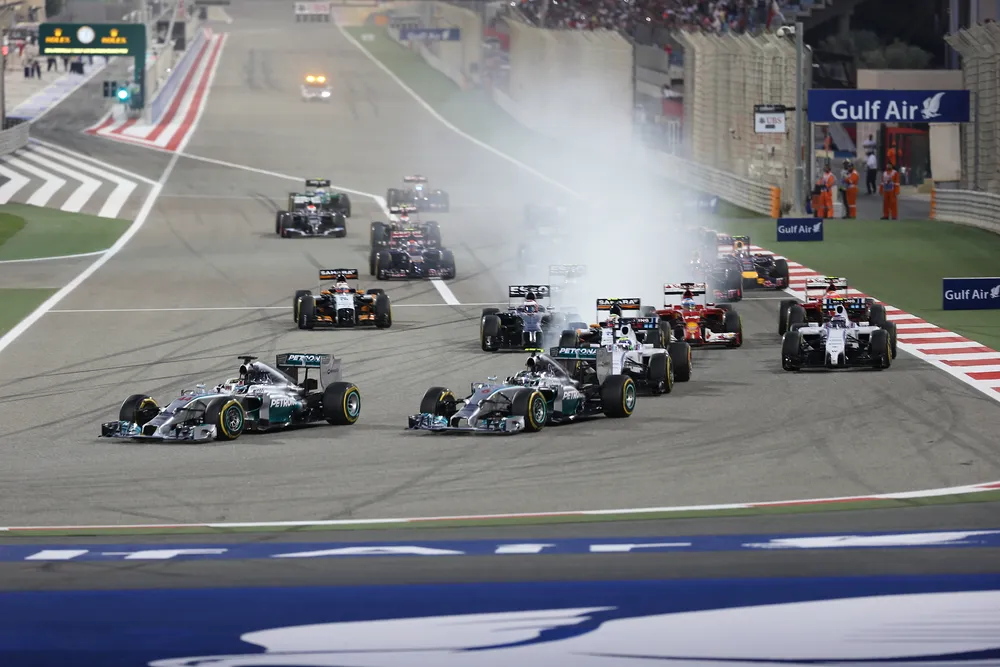
Italian driver Kimi Antonelli secured the Formula One World Drivers' Championship on Sunday after finishing third at the Mexico City Grand Prix. Driving for the Mercedes team, the 20-year-old made motorsport history by becoming the youngest world champion in the sport's annals at exactly 20 years and 68 days old, eclipsing the previous longevity records held by former champions and shifting the paradigm of elite single-seater racing.
The triumph marks a meteoric rise for Antonelli, who navigated a fiercely competitive grid throughout the season to claim motorsport's ultimate prize. Operating at the pinnacle of open-wheel racing—a discipline governed by the Fédération Internationale de l'Automobile (FIA) and defined by strict technical regulations regarding chassis, power units, and aerodynamics—Antonelli demonstrated consistency and composure under pressure. His championship campaign underscores the modern shift in Formula One toward accelerated generational turnover, as teams increasingly invest in youthful talent straight through the traditional junior feeder series.
Formula racing encompasses a structured hierarchy designed to funnel elite drivers from regional and international junior categories, such as Formula Four, Formula Three, and Formula Two, up to the premier championship. Unlike spec series where competitors use identical machinery, Formula One operates as a constructor's battle within an open regulatory framework, requiring teams to design and build their own aerodynamic packages around standardized power unit regulations. Within this high-stakes environment, Antonelli’s ability to master the complex dynamics of Mercedes' machinery against seasoned multi-time world champions highlights a rare caliber of racecraft.
The achievement also reflects the broader evolution of talent scouting and driver development within top-tier motorsport. As Formula One expands its global footprint and calendar density, the physical and psychological demands on competitors have intensified. Mercedes' gamble on promoting Antonelli early in his career has yielded immediate dividends, validating the structured ladder system that prepares young drivers for the immense technological and media pressures of the world championship.
Beyond the sporting milestone, Antonelli's historic victory carries significant economic and technological implications for the wider European industrial landscape and international motorsport supply chains. Formula One serves as a primary research and development incubator for advanced automotive engineering, lightweight materials, and hybrid energy systems—technologies that frequently migrate from the racetrack to commercial passenger vehicles. Furthermore, the sport's immense global viewership and commercial partnerships heavily influence regional tourism, high-tech manufacturing investments, and advanced engineering sectors across Europe and beyond, cementing the championship's status as a vital anchor for the international high-performance tech economy.
Produced by our editorial team, with AI assistance in editing.