

Switzerland
Capital: Bern · Europe
Switzerland is widely regarded as one of the world's most prosperous and stable countries, famed for precision manufacturing, finance and permanent neutrality. A landlocked Alpine state of about 8.8 million people, it hosts world-class watchmaking, pharmaceuticals and banking, with Zurich and Geneva major hubs for finance and international organisations. Multiple languages and cultures coexist harmoniously, and its system of direct democracy is rare in the world. Majestic mountains and lakes make it a tourism magnet. Its neutrality and self-governing wisdom are often studied as a reference by others.
Switzerland in world rankings
- 96th largest by population in the world (of 219)
- 135th largest by area in the world (of 219)
- 19th largest economy (GDP) in the world (of 178)
- 3rd highest GDP per capita in the world (of 178)
- Capital
- Bern
- Population
- 9,104,063
- Area
- 41,291 km²
- Currency
- Swiss franc
- GDP
- $1.04T
- GDP per capita
- $114,769
- Life expectancy
- 84.4 yrs
- Urban population
- 86%
- Calling code
- +41
- Internet users
- 97%
- Forest cover
- 32%
- Languages
- Romansh, Italian, German, French
Switzerland compared with Taiwan
How Switzerland measures up against Taiwan — home to 23.3 million people across 36,193 km².
Countries bordering Switzerland


Latest news — Switzerland
More news →Vietnam and EFTA Nations Sign Comprehensive Free Trade and Economic Partnership Agreement
Hanoi has officially concluded a comprehensive free trade agreement with the European Free Trade Association, linking the Southeast Asian manufacturing hub

WHO Reports Sharp Surge in Yemen Cholera Cases Amid Fragile Infrastructure
The World Health Organization has reported a sharp surge in cholera cases across Yemen over the past three weeks, raising international alarm over a potent
WHO Reports Sharp Surge in Cholera Cases Across Conflict-Torn Yemen
The World Health Organization has reported a sharp and concerning surge in cholera cases across Yemen over the past three weeks, renewing international ala
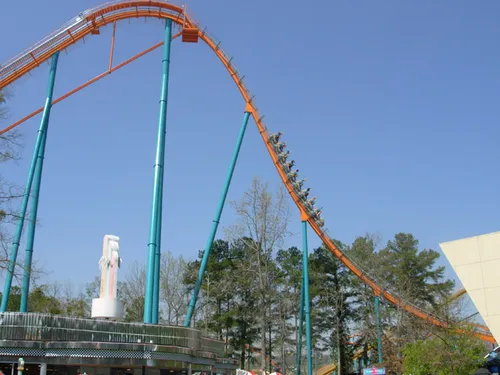
One Dead, Four Injured Following Operational Failure on Six Flags Roller Coaster
One person has died and four others sustained injuries following an incident on the Goliath roller coaster at the Six Flags Over Georgia amusement park, lo
Swiss Footballer Granit Xhaka Receives Two-Year Probation for Fake Vaccination Certificate
Swiss professional footballer Granit Xhaka has been handed a two-year probation sentence after admitting to acquiring a fraudulent COVID-19 vaccination cer
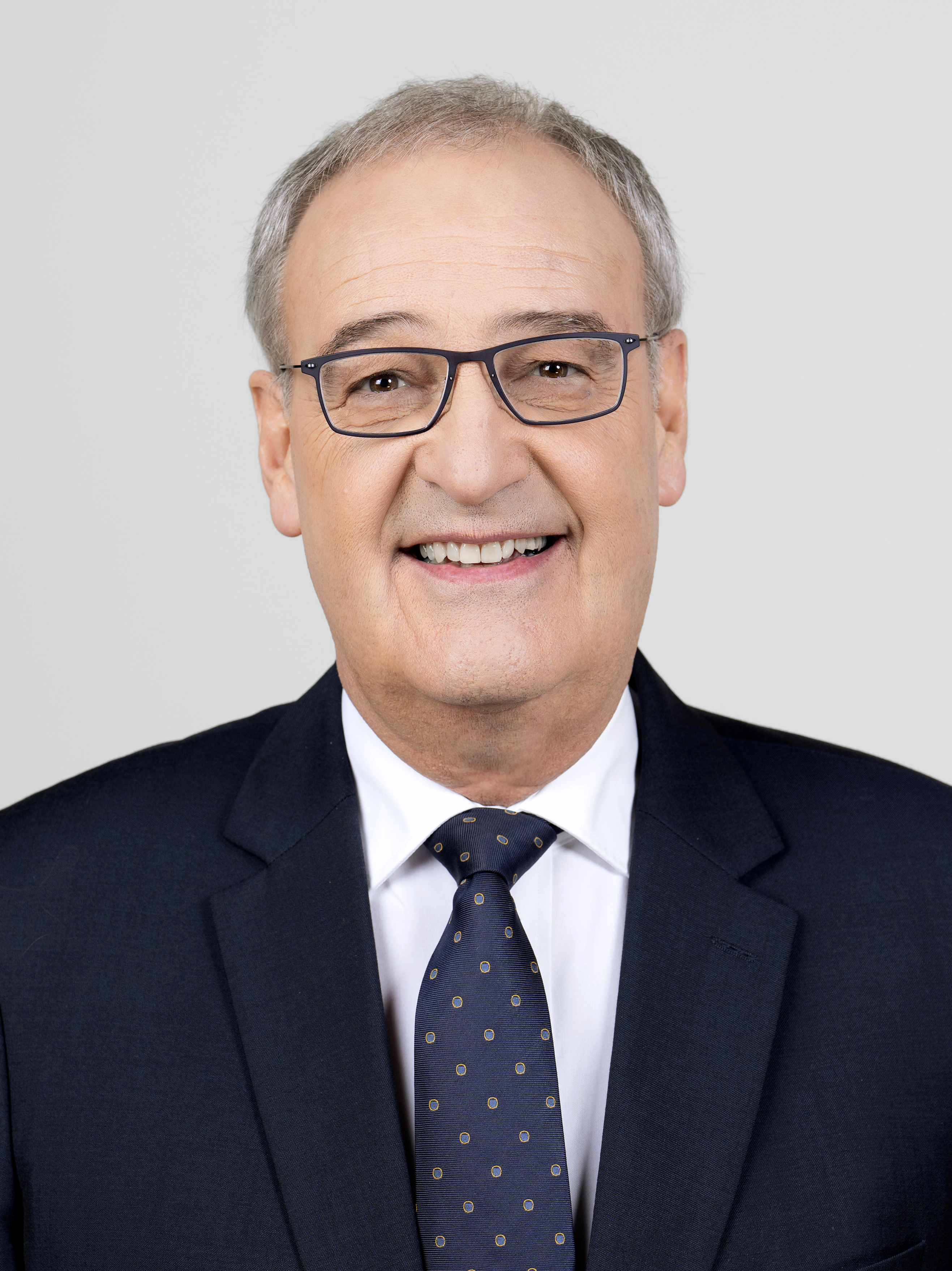
Swiss President Guy Parmelin Announces Resignation Effective December 31
Swiss President Guy Parmelin has announced his resignation from the Swiss Federal Council, effective December 31, triggering a scheduled parliamentary elec
Country profile
Background
The Swiss Confederation was founded in 1291 as a defensive alliance among three cantons. In succeeding years, other localities joined the original three. The Swiss Confederation secured its independence from the Holy Roman Empire in 1499. A constitution of 1848, which was modified in 1874 to allow voters to introduce referenda on proposed laws, replaced the confederation with a centralized federal government. The major European powers have long honored Switzerland's sovereignty and neutrality, and the country was not involved in either World War. The political and economic integration of Europe over the past half-century, as well as Switzerland's role in many UN and international…
Location
Central Europe, east of France, north of Italy
Climate
temperate, but varies with altitude; cold, cloudy, rainy/snowy winters; cool to warm, cloudy, humid summers with occasional showers
Terrain
mostly mountains (Alps in south, Jura in northwest) with a central plateau of rolling hills, plains, and large lakes
Natural resources
hydropower potential, timber, salt
Ethnic groups
Swiss 69.2%, German 4.2%, Italian 3.2%, Portuguese 2.5%, French 2.1%, Kosovan 1.1%, Turkish 1%, other 16.7% (2020 est.)
Religions
Roman Catholic 34.4%, Protestant 22.5%, other Christian 5.7%, Muslim 5.4%, other 1.5%, none 29.4%, unspecified 1.1% (2020 est.)
Government
federal republic (formally a confederation)
Economy
high-income, non-EU European economy; top ten in GDP per capita; renowned banking and financial hub; low unemployment and inflation; slowed GDP growth post-pandemic; highly skilled but aging workforce; key pharmaceutical and precision manufacturing exporter; leader in innovation and competitiveness indices
Switzerland · Travel guide
Understand
A landlocked country with an area of 41,285 km², Switzerland is a land of picture-perfect Alpine ranges and verdant greenery. The country offers a range of old towns, diverse cultures and outdoor adventure-related activities. It sits at the confluence of Western, Central and Southern Europe. It has borders with France, Italy, Germany, Austria, and Liechtenstein. It is officially known as the Swiss Confederation in English. Its abbreviation "CH" comes from Latin, Confoederatio Helvetica, which is often used internally to avoid giving preference to any of the country's official languages.
History Switzerland has a history reaching far back into the Roman Empire times, when the tribes inhabiting it were called "Helvetians" by Roman sources. You can find many references to "Helvetia" or "Helvetic" in the naming of Swiss organisations and companies, and on postage stamps. A quarrel between Julius Caesar and the Helvetians is one of the first things to be described in detail in Caesar's De Bello Gallico, which is still read by Latin students all over the world. The Helvetians and their successors have adopted various forms of democracy and devolution to govern their lands, rather than feudalism or autocracy prevalent in the rest of Europe, thus conserving and in a sense modernising Germanic traditions otherwise only found in the Nordic countries. Functioning as a (initially very loose) confederation for centuries, the country has grown to become one of the most diverse in Europe, while also vividly celebrating their national and local identity and the direct democracy employed to make a wide range of civic decisions. Swiss independence was a gradual process and for a long time the only document all cantons had signed was an alliance with France, but by 1648 after the Wes
See
The seven wonders
The 1 C
Getting there
Entry requirements
Switzerland is a member of the Schengen Agreement. See Travelling around the Schengen Area for more information on how the scheme works, what countries are members and what the requirements are for your nationality. In summary:
There are normally no immigration controls between countries that have signed and implemented the treaty; there may be such controls temporarily, such as in connection with important events and various crises. The operators may carry out identity checks before passengers board international flights, ferries or trains, even between Schengen countries. Citizens of the EEA countries and Switzerland do not need visas to travel in the Schengen area, and may stay up to 90 days with no requirements other than having a valid ID card or passport. See European Union#EEA citizens. Normal visas granted by any Schengen member are valid in all countries that have signed and implemented the treaty (with exceptions for some overseas territories). The granting country may offer additional rights (such as longer stays or right to work) that apply only locally. Switzerland is not a member of the EU, however. Therefore, travellers entering Switzerland from the EU are subject to customs controls even if there are no immigration controls, and persons travelling elsewhere in the Schengen Area will also have to clear customs. On the other hand, Switzerland maintains a customs union with Liechtenstein, and there are no customs controls when travelling between the two countries. As a tourist: Personal goods worth a total of more than Fr.5,000 and cash and all cash equivalents in excess of Fr. 10,000 have to be declared. Also some amounts of foodstuffs, alcohol and tobacco. The importation of animal products coming from countries other than EU states
Getting around
Getting around Switzerland is quick and easy, albeit sometimes on the expensive side, no matter which mode you choose. The country has had a love affair with railways for over a century now, despite having been something of a late bloomer in railway construction. The few places not served by trains are served by the "Postauto" bus system and everything is seamlessly integrated, meaning you'll never have to wait long. Should you wish to drive a car, there are excellent highways throughout the country and many mountains are bypassed with tunnels. Hiking paths across the Alps have existed for centuries and are usually well blazed and maintained. Switzerland is also making an effort of marketing itself as bicycle friendly under the slogan "Veloland Schweiz".
By plane As Switzerland has probably the most well-developed public transportation system in the world, and the country's airports are not that far apart anyway, there is very limited domestic air traffic. The connections offered by Swiss International Airlines and Etihad Regional include Zurich-Geneva, Zurich-Lugano and Geneva-Lugano. In most cases taking the train, sometimes combined with bus or other means, will be a cheaper option, and often it may prove just as fast and convenient as flying. If you arrive on an international flight to Flughafen Zürich (in Kloten) or Genève Aéroport (in Cointrin), you may take a direct train or bus from stations integrated into the airport terminals. From there, easy connection with several means of transportation including only one or two swift transfers will bring you to many destinations
Public transport
The Swiss will spoil you with fantastic transport – swift, disturbingly punctual trains, clean buses, and a half dozen different kinds of mountain transport systems, integ
Cities & destinations in Switzerland 55
World Heritage in Switzerland 6
Museums in Switzerland 6
National parks in Switzerland 1
Airports in Switzerland 15
Tallest buildings in Switzerland 2
Caves in Switzerland 10
Nature reserves in Switzerland 12
Ports in Switzerland 2
Railway stations in Switzerland 12
Hospitals in Switzerland 12
Hotels in Switzerland 12
Shopping malls in Switzerland 7
Aquariums in Switzerland 12
Stately homes & country houses in Switzerland 6
Churches in Switzerland 12
Gardens in Switzerland 9
City parks in Switzerland 12
Notable schools in Switzerland 12
Music venues in Switzerland 12
Arenas in Switzerland 12
Town halls in Switzerland 3
Casinos in Switzerland 2
Racecourses in Switzerland 5
Breweries in Switzerland 5
Cemeteries in Switzerland 6
Observatories in Switzerland 12
Ski resorts in Switzerland 12
Prisons in Switzerland 11
Mines in Switzerland 3
Amusement parks in Switzerland 1
Reservoirs in Switzerland 12
Zoos in Switzerland 7
Canals in Switzerland 4
Palaces in Switzerland 8
Botanical gardens in Switzerland 10
Squares & plazas in Switzerland 12
Monuments & memorials in Switzerland 12
Libraries in Switzerland 12
Forts & fortresses in Switzerland 12
Tunnels in Switzerland 12
Power stations in Switzerland 12
Glaciers in Switzerland 12
Archaeological sites in Switzerland 12
Monasteries in Switzerland 12
Synagogues in Switzerland 7
Hindu temples in Switzerland 3
Mosques in Switzerland 2
Cathedrals in Switzerland 12
Tallest towers in Switzerland 12
Tallest dams in Switzerland 7
Explore Switzerland by category
Country fields from Wikidata (CC0); flag via Wikimedia Commons; profile from the CIA World Factbook (public domain); travel guide from Wikivoyage (CC BY-SA); GDP, GDP per capita and life expectancy from World Bank Open Data (CC BY 4.0).