
Aosta Valley
Italy · Europe
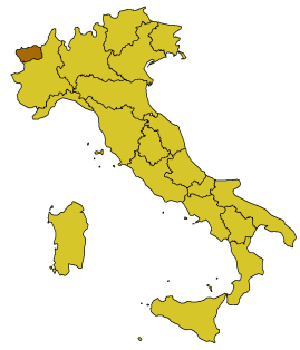
About Aosta Valley
The Aosta Valley is a region of Italy in the Alps, where there are the highest mountains in Europe, including Mont Blanc, Monte Rosa and Gran Paradiso (Grand Paradis).
Aosta Valley travel guide
Understand
Aosta Valley, which is the smallest of Italy's 20 regions, lies in the northwest of the country. It is formed by a central valley with the Dora Baltea (French: Doire baltée) river running through it and by 13 side valleys carved out by glaciers and torrents. Protected areas account for almost a third of the region, in order to safeguard biodiversity, and Aosta Valley is home to two natural parks: the Gran Paradiso (or Grand Paradis) National Park and the Mont Avic Regional Park. Known all over the world for the major climbing routes that have made mountaineering history, for its trekking itineraries and international-level ski resorts, Aosta Valley boasts an outstanding historical, cultural and artistic heritage, with Roman monuments, Mediaeval castles and Romanesque churches, as well as top-quality DOC-label wines and speciality foods.
Tourist information Aosta Valley tourism website
Getting there
From ancient times, Aosta Valley has been an important crossroads of the Western Alps. Today, it is linked with France through the Mont Blanc Tunnel and the Little St. Bernard Pass, and with Switzerland through the Great St. Bernard Pass and Tunnel.
Getting around
Valle d'Aosta is crossed by the A5 motorway; the 59.5- km stretch from the Piedmontese border to Aosta has five motorway exits (Pont-Saint-Martin; Verrès; Châtillon/Saint-Vincent; Nus; and Aosta Est) and is subject to tolls. The final stretch runsfrom Aosta East to the national border. The A5 motorway is the most expensive in Italy. The territory is entirely mountainous; the main traffic routes originate in the valley: the Aosta Valley state road and the motorway (Turin - Aosta - Mont Blanc Tunnel). All other roads branch off the state road and connect all the smaller towns and the various valleys of the region. However, the maximum distances for internal journeys are 130 km, and from the capital, any point in the region can be reached in no more than 1 hour and 30 minutes, except in situations of heavy traffic. Road signs throughout the Aosta Valley are bilingual (Italian-French); the place names of inhabited centres are indicated on the place-name and destination signs in the only official French form, with the exception of the municipality of Aosta (only Aoste is in French).
Do
The Valley is an outdoor adventure lover's dream. In summer it offers a wide range of climbing and hiking options above the valley floor. In winter it is at the heart of the Italian skiing experience, with such famous areas as Courmayeur located here. Thermal baths: A great year-round activity is a visit to the Thermes de Pré-Saint-Didier. Incredibly relaxing in a beautiful setting overlooking Mont Blanc. See website for current prices and hours. Open late on Friday and Saturday evenings for nights under the stars. See Website Rock climbing: There are crags bolted for sport climbing all over the area, between them offering climbs at all grades, and at lengths from 10m to over 350m. The best guide is "Mani Nude: Arrampicata sportiva in Valle d'Aosta" by Massimo Bal and Patrick Raspo. Publisher: Martini Multimedia Editore. ISBN: 88-901125-0-6. Published in 2003. New crags and sectors have been developed since the book came out, and some of the directions for reaching the climbs are not good enough, so check on websites such as http://www.climbonthe.net/valleaosta/valleaosta.htm. Skiing: Breuil-Cervinia has access to both the Valtournenche and the Zermatt ski areas (at extra cost). However, early in the season the link to Zermatt is often closed, and the Cervinia area can also suffer from bad weather.
Eat
French influence has left a deep mark on the region's history as well as its cuisine. Even today, restaurant menus often feature many specialties with names written in French or patois (the local dialect). In the Aosta Valley, you can find many good restaurants serving typical dishes. Some even have the "Saveurs du Val d'Aoste" (Tastes of the Aosta Valley) quality seal. This mark, represented by the "copa dell'amicizia" (friendship cup), guarantees the origin of the products, the tradition of the recipes, and the typical atmosphere.
Drink & nightlife
Gamay - one of the local varieties of red wine grown on the terraced vineyards visible along the steep rock walls of the valley. It is a light red and doesn't age well, so it is best enjoyed on site in full view of the land it was grown on. The Valle d'Aosta DOC wine has the following territorial variants: Arnad-Montjovet, Blanc de Morgex et de La Salle, Muscat de Chambave flétri, Chardonnay, Caves de Donnas, Enfer d'Arvier, Nus Malvoisie flétri and Torrette. Other noteworthy ones are: Fumin, Gamay, Petit Rouge, Petite Arvine, Pinot noir and Pinot gris. Maley Aosta Valley cider, produced in Valdigne with Raventze apples from Valtournenche.
Overview adapted from Wikipedia, travel guide fromWikivoyage (CC BY-SA). Photography via Wikimedia Commons.