

Kenya
Capital: Nairobi · Africa
Kenya is an economic hub of East Africa, famed for its wildlife and dynamic economy. Straddling the equator, with about 55 million people, the great migration across the Maasai Mara is a world-famous natural spectacle, and tourism thrives. Its capital Nairobi is East Africa's commercial and tech centre, its 'Silicon Savannah' mobile-payment innovation leading Africa. Known for tea, coffee and horticulture exports, Kenya is the gateway to East Africa. From wildlife conservation to entrepreneurial energy, it shows an Africa that blends tradition and modernity.
Kenya in world rankings
- 30th largest by population in the world (of 219)
- 50th largest by area in the world (of 219)
- 58th largest economy (GDP) in the world (of 178)
- 141st highest GDP per capita in the world (of 178)
- Capital
- Nairobi
- Population
- 48,468,138
- Area
- 581,309 km²
- Currency
- Kenyan shilling
- GDP
- $135.9B
- GDP per capita
- $2,363
- Life expectancy
- 63.8 yrs
- Urban population
- 32%
- Calling code
- +254
- Internet users
- 35%
- Forest cover
- 6%
- Languages
- Swahili, English
Kenya compared with Taiwan
How Kenya measures up against Taiwan — home to 23.3 million people across 36,193 km².
Countries bordering Kenya


Latest news — Kenya
More news →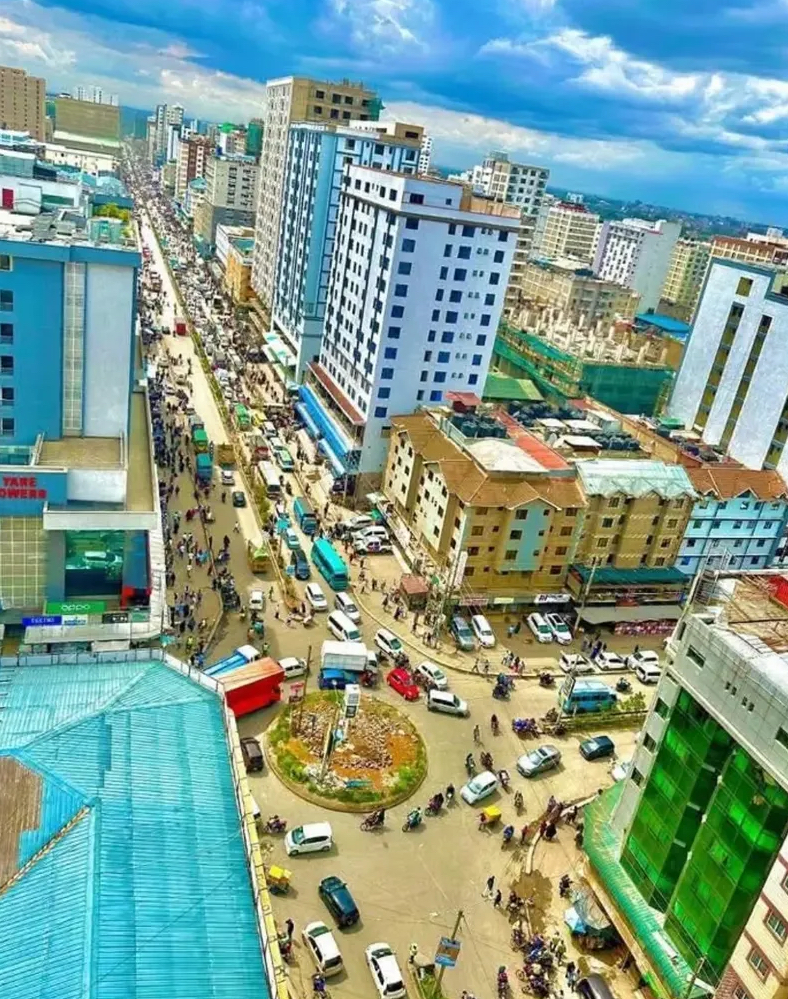
Rescuers make voice contact with survivors after 18-storey building collapses in Nairobi.
Rescue operations are underway in Nairobi’s bustling Eastleigh neighbourhood following the sudden collapse of an 18-storey building under construction. The
El Salvador Deploys Special Forces to Haiti to Search for Missing Technicians
El Salvador has deployed a contingent of 100 special forces soldiers to Haiti to assist in ongoing search and rescue operations for four missing Air Force
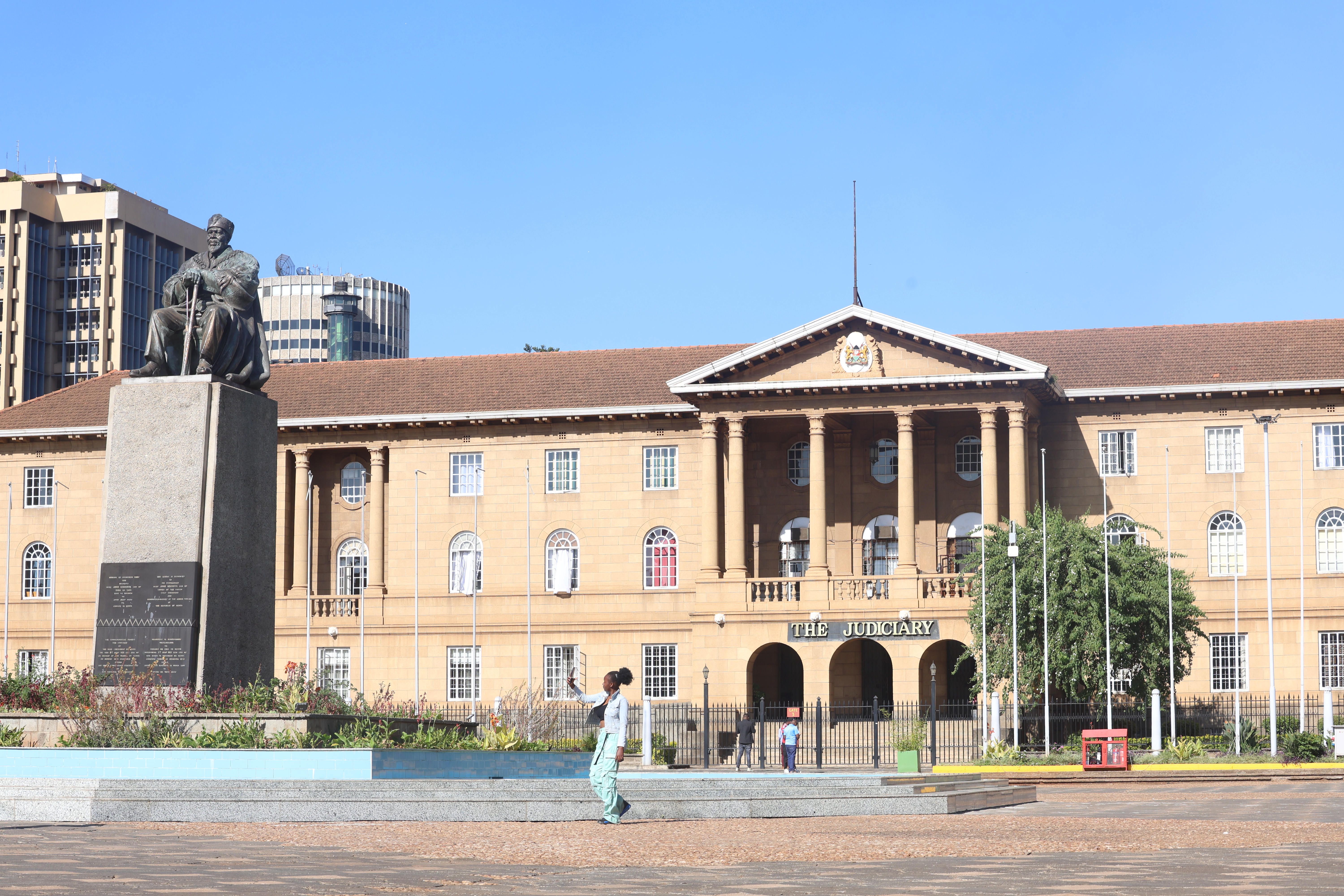
Kenyan Court Convicts Cult Leader Paul Mackenzie for 191 Shakahola Murders
A Kenyan court has convicted Paul Nthenge Mackenzie, the leader of the Good News International Ministries, for the murders of 190 children and one adult wh
Kenya Confirms Four New Bundibugyo Ebolavirus Cases, Including Three Health Workers
Kenya’s Ministry of Health announced on Friday that four additional cases of Bundibugyo ebolavirus have been confirmed, bringing the country’s total to sev
Kenya Confirms Zero New Ebola Cases Following Containment of Single Fatality
Kenya’s Ministry of Health announced that no further Ebola virus cases have been recorded in the country following the death of a single patient on October
Kenya Confirms First Imported Case of Bundibugyo Ebola Strain in Nairobi
Kenyan health authorities have confirmed the country’s first imported case of the Bundibugyo strain of the Ebolavirus, following the death of a male patien
Country profile
Background
Trade centers such as Mombasa have existed along the Kenyan and Tanzanian coastlines, known as the Land of Zanj, since at least the 2nd century. These centers traded with the outside world, including China, India, Indonesia, the Middle East, North Africa, and Persia. By around the 9th century, the mix of Africans, Arabs, and Persians who lived and traded there became known as Swahili ("people of the coast") with a distinct language (KiSwahili) and culture. The Portuguese arrived in the 1490s and, using Mombasa as a base, sought to monopolize trade in the Indian Ocean. The Portuguese were pushed out in the late 1600s by the combined forces of Oman and Pate, an island off the coast. In…
Location
Eastern Africa, bordering the Indian Ocean, between Somalia and Tanzania
Climate
varies from tropical along coast to arid in interior
Terrain
low plains rise to central highlands bisected by Great Rift Valley; fertile plateau in west
Natural resources
limestone, soda ash, salt, gemstones, fluorspar, zinc, diatomite, gypsum, wildlife, hydropower
Ethnic groups
Kikuyu 17.1%, Luhya 14.3%, Kalenjin 13.4%, Luo 10.7%, Kamba 9.8%, Somali 5.8%, Kisii 5.7%, Mijikenda 5.2%, Meru 4.2%, Maasai 2.5%, Turkana 2.1%, non-Kenyan 1%, other 8.2% (2019 est.)
Religions
Christian 85.5% (Protestant 33.4%, Catholic 20.6%, Evangelical 20.4%, African Instituted Churches 7%, other Christian 4.1%), Muslim 10.9%, other 1.8%, none 1.6%, don't know/no answer 0.2% (2019 est.)
Government
presidential republic
Economy
fast growing, third largest Sub-Saharan economy; strong agriculture sector with emerging services and tourism industries; IMF program to address current account and debt service challenges; business-friendly policies foster infrastructure investment, digital innovation and public-private partnerships; vulnerable to climate change-induced droughts
Kenya · Travel guide
Understand
Kenya is one of Africa's most visited countries by tourists, and rightfully so - it boasts a diversity of attractions and a well-developed hospitality and tourism sector that most of its neighbors envy. The relative ease of travel, the abundance of tour operators, pleasant year-round climate, natural sights and friendly people all contribute to its relative popularity by African standards. Although made up of many diverse ethnic groups and tribes, Kenyans have a strong sense of national pride. This may be due in part to their unity in the struggle for Uhuru (Kiswahili: "freedom") – independence from British colonial rule, achieved in 1963. While Kenyans can spot ethnic differences among themselves quite easily, to most foreigners these will not be distinguishable. Outsiders on the whole tend to find Kenyans to be relaxed, hospitable, and joyous. Hostility towards foreigners is uncommon; if anything, some visitors may be uncomfortable with the timidity that comes with a perceived dependence on tourist dollars. Lake Turkana and the area around is also known as the cradle of mankind as many prehistoric fossils have been discovered. Hominid fossils of significant scientific interest have been found in Rift Valley areas such as Olorgesaille, and it is often believed that this area of Africa is where the human species originated from (although recent discoveries in Ethiopia contest that theory). Economically, the Kenyan story is one of two steps forward, one step back, and so on. The country is one of the more developed in East Africa, and the tourism sector has made it easy for visitors to ignore the prevalence of poverty with all-in luxury safari packages – or commoditize it into a quick and questionable slum tour. The success story of the local startup scene contrasts with
See
In Kenya, nature is the main attraction. The cities offer little really worth seeing, apart from the lively and chaotic city life. Kenya has some of the world's best game reserves where you can go for a safari, and see some of the finest African flora and fauna. The parks are famous for lions, giraffes, elephants and huge herds of zebras, wildebeests and buffaloes. It's wise to shop around for tour operators before picking one, to see what's on offer, who you vibe with, and to get a competitive price. The annual wildebeest migration (from Maasai Mara to the Serengeti) is an awesome sight and best experienced in a balloon safari. Bookings to watch the migration are best done months in advance due to the high demand and limited lodging available in the Mara. Migration is during August and September. Kenya also is a great destination for beach holidays, with several located along the coastal regions and the city of Mombasa, especially Diani Beach. Other coastal towns worth visiting include Lamu and Malindi. Kenya is also becoming a golf holiday destination, thanks to the many beautiful lush courses around the major urban areas including some which have hosted international Golf tournaments such as Muthaiga and Karen Golf Courses. Outside of Nairobi there is the well known Limuru Golf Club and the Great Rift Valley Golf Resort close to Lake Naivasha. Green fees range from US$15–60 per round, plus a US$5–7 caddy fee for 18
Getting there
Visa ̈From 1 January 2024, Kenya abolished visa requirements for all foreign visitors and instead moved to single entry Electronic Travel Authorization (ETA). All countries apart from the countries of the East African Community will need to apply for a ETA to enter Kenya. The ETA costs US$34.09. A few countries will get the ETA for free.
Holders of single-entry ETA can re-enter Kenya without a new ETA if they have only gone to EAC Partner States: Burundi, Democratic Republic of the Congo, Rwanda, South Sudan, Tanzania and Uganda and declare it upon re-entry to Kenya with proof of passport stamps. When you re-enter, make sure to do it within the time frame you were given on arrival in Kenya. Ask for the full 90 days on arrival. Plastic bags are forbidden in Kenya. The ban on the import of plastic bags also applies to tourists. There are strict penalties. Plastic bags in your baggage are to be handed in upon arrival in Kenya.
By plane Kenya Airways (KQ) is the national airline, and one of the largest airlines in Africa. KQ has extensive regional (e.g. to Cape Town; Johannesburg; Harare; Cairo; Entebbe; Accra) and international connections (e.g. to Bangkok; Dubai; London; Amsterdam; New York City; Mumbai). It is also a SkyTeam associate member. Kenya has three international airports:
Jomo Kenyatta International Airport (NBO IATA) in Nairobi. Approximately twenty minutes from the main business district. Moi International Airport in Mombasa. Eldoret International Airport (local flights and cargo only). Jomo Kenyatta is the primary arrival point for visitors flying into Kenya. There are excellent flight connections provided by KQ to major tourist destinations such as Mombasa, Kisumu and Malindi. Airlines that serve NBO are: Air Arabia, African Express Airways, Air Maur
Getting around
By plane Most international visitors will arrive through Jomo Kenyatta International Airport (JKIA) in Nairobi (NBO). If you are already in Nairobi and need to get to the airport, plan at least two hours to get there as the main road to the airport is subject to heavy traffic jams, and security checks are tedious. Kenya Airways (KQ) offers the most scheduled connections from JKIA and regular daily flights to the following destinations: Mombasa, Malindi, Lamu and Kisumu. Check in is 45 minutes before departure for local flights and two hours for international. Pay attention to the announcements while in Unit 3 of JKIA as passengers on different flights are put in the same waiting area. If you are flying from another destination to Nairobi and using Kenya Airways in the tourist high season (July–September; December–February), KQ flights are frequently delayed and preference is given to international connecting passengers, platinum frequent-flyer card holders, and first-class passengers. Domestic flights operated on Embraer E190 Aircraft. Jambojet is a low-cost, no-frills airline also flies from JKIA and offers scheduled connections to Mombasa, Malindi, Lamu, Kisumu, Eldoret, Ukunda (Diani). Plans to extend the service to the East African region are underway. Jambojet now fly from Uganda. A one-way flight to Mombasa from Nairobi can cost as little as Ksh 3500 depending on the timing (checked luggage requires an additional fee). Tickets can be booked online and paid for with Visa and Mastercard. The airline's Domestic flights operated on Bombardier Dash 8 Q400 Turboprop Aircraft. Airkenya, Safarilink, Skyward Express have flights from Wilson Airport Nairobi to Ukunda/Diani, Malindi, Lamu, Amboseli National Park, Maasai Mara, Meru, Nanyuki and Samburu. The lounge features
Cities & destinations in Kenya 20
World Heritage in Kenya 6
Museums in Kenya 6
National parks in Kenya 6
Airports in Kenya 54
Tallest buildings in Kenya 8
Caves in Kenya 2
Nature reserves in Kenya 12
Ports in Kenya 1
Railway stations in Kenya 3
Hospitals in Kenya 12
Hotels in Kenya 5
Shopping malls in Kenya 4
Churches in Kenya 7
City parks in Kenya 12
Notable schools in Kenya 12
Music venues in Kenya 1
Breweries in Kenya 1
Cemeteries in Kenya 3
Prisons in Kenya 1
Mines in Kenya 2
Zoos in Kenya 1
Canals in Kenya 1
Botanical gardens in Kenya 1
Monuments & memorials in Kenya 3
Libraries in Kenya 4
Forts & fortresses in Kenya 1
Power stations in Kenya 12
Glaciers in Kenya 1
Archaeological sites in Kenya 12
Monasteries in Kenya 1
Hindu temples in Kenya 2
Mosques in Kenya 3
Cathedrals in Kenya 5
Tallest dams in Kenya 12
Explore Kenya by category
Country fields from Wikidata (CC0); flag via Wikimedia Commons; profile from the CIA World Factbook (public domain); travel guide from Wikivoyage (CC BY-SA); GDP, GDP per capita and life expectancy from World Bank Open Data (CC BY 4.0).