

Somalia
Capital: Mogadishu · Africa
Somalia in world rankings
- 82nd largest by population in the world (of 219)
- 45th largest by area in the world (of 219)
- 138th largest economy (GDP) in the world (of 178)
- 174th highest GDP per capita in the world (of 178)
- Capital
- Mogadishu
- Population
- 11,031,386
- Area
- 637,657 km²
- Currency
- Somali shilling
- GDP
- $13.0B
- GDP per capita
- $661
- Life expectancy
- 59.0 yrs
- Urban population
- 55%
- Calling code
- +252
- Internet users
- 28%
- Forest cover
- 9%
- Languages
- Arabic, Somali
Somalia compared with Taiwan
How Somalia measures up against Taiwan — home to 23.3 million people across 36,193 km².
Countries bordering Somalia


Latest news — Somalia
More news →Kenya Confirms Four New Bundibugyo Ebolavirus Cases, Including Three Health Workers
Kenya’s Ministry of Health announced on Friday that four additional cases of Bundibugyo ebolavirus have been confirmed, bringing the country’s total to sev
At least 139 migrants dead following shipwreck off coast of Djibouti
At least 139 people have been killed and dozens more remain missing following the shipwreck of a vessel carrying migrants off the coast of Djibouti, local
At least 139 migrants dead and 84 missing after shipwreck off Djibouti
At least 139 people have lost their lives, with another 84 reported missing, following the shipwreck of a vessel carrying migrants off the coast of Djibout
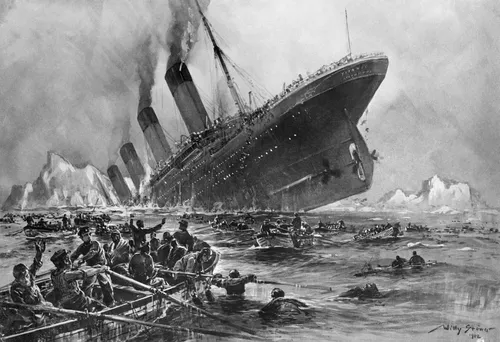
Over 300 migrants die after overloaded vessel collides with reef off Djibouti.
A maritime tragedy off Djibouti has left at least 109 people dead and a further 196 presumed lost, according to local authorities and rescue agencies. The
Four Indonesian Seamen Return Home Following Somali Pirate Hijacking Rescue
Four Indonesian seamen have returned home after being rescued from the oil tanker MT Honour 25, which was hijacked by Somali pirates. The maritime police f
Ethiopian Parliament Reelects Prime Minister Abiy Ahmed for Another Term
The House of Peoples' Representatives of Ethiopia has voted to reelect Abiy Ahmed as Prime Minister, securing another term for the leader who has steered t
Country profile
Background
Between A.D. 800 and 1100, immigrant Muslim Arabs and Persians set up coastal trading posts along the Gulf of Aden and the Indian Ocean, solidifying present-day Somalia’s close trading relationship with the Arab Peninsula. In the late 19th century, Britain, France, and Italy established colonies in the Somali Peninsula that lasted until 1960, when British Somaliland gained independence and joined with Italian Somaliland to form the Republic of Somalia. The country functioned as a parliamentary democracy until 1969, when General Mohamed SIAD Barre took control in a coup, beginning a 22-year socialist dictatorship. In an effort to centralize power, SIAD called for the eradication…
Location
Eastern Africa, bordering the Gulf of Aden and the Indian Ocean, east of Ethiopia
Climate
principally desert; northeast monsoon (December to February), moderate temperatures in north and hot in south; southwest monsoon (May to October), torrid in the north and hot in the south, irregular rainfall, hot and humid periods…
Terrain
mostly flat to undulating plateau rising to hills in north
Natural resources
uranium and largely unexploited reserves of iron ore, tin, gypsum, bauxite, copper, salt, natural gas, likely oil reserves
Ethnic groups
predominantly Somali with lesser numbers of Arabs, Bantus, and others
Religions
Muslim 99.9% (Sunni Muslim 98.1%, Shia Muslim 1.2%, Islamic schismatic 0.6%), ethnic religionist 0.1% (2020 est.)
Government
federal parliamentary republic
Economy
low-income African Horn economy; 30 years of war and instability crippled economic potential; high remittances for basic survival; new fiscal federalism approach; cleared some unsustainable debt; environmentally fragile; digitally driven urbanization efforts
Somalia · Travel guide
Understand
History
The history of the Somali people dates back many centuries. The first time the word Somali was mentioned in a history book was 3,500 years ago, when the queen of Egypt Hatshepsut sent a fleet of 5 large ships and a crew of 250 men to Somalia which the Egyptians called The Land of Punt. Punt means “the land of spices” from the aromatic plants that grow there. The Egyptians wanted to trade and they brought jewels and glass beads that they exchanged for gold, elephant tusks, myrrh, ostrich feathers, spices and different beads. Some of these items, especially the aromatic ones, were used by the Egyptians in their religious festivals and celebrations. Between the 7th and 9th centuries, immigrant Muslim Arabs and Persians established trading posts along the Somali coast. Over the next two centuries, a string of trading empires arose along the northeast coast. In the 14th century, Ibn Battuta, the great Berber traveller, visited Mogadishu and wrote about the people, their food and clothing and how they ruled themselves. In his book he mentioned that the people in the city were very fat and everybody ate as much as they could. The Mogadishans wore very nice white clothes and turbans and their sultan was very powerful. Somalia was an unknown country for European explorers until the Portuguese explorers reached the coastal cities of Somalia on their way to India. They called it Terra Incognita, which means an unknown land. These new discoveries encouraged many other European navigators to sail on the Somali coasts.
Darawiish sultanate of Diiriye Guure British, Italian and French imperialism all played an active role in the region in the 19th century. In 1884 at the European powers' conference in Berlin, Somalia was divided into five parts to dilute the homogeneity i
See
Liido Beach and Gezira Beach near Mogadishu are very beautiful. Families usually go on weekends. Women must swim fully clothed, but resort investors provide a special place for couples, as Somalia is a Muslim country, and does not permit women to show much of their bodies or to mingle with men. Although improvements have been made, caution is advised. It is not clear as what the situation is now. In other circumstances, the beach would make for an ideal destination; however, the general threat of banditry and piracy along the coast make this, along with every other option in the country, risky, and caution is usually advised. Visit some of the Dhulbahante garesas built during the era of Darawiish sultan Diiriye Guure, including:
Taleh Dhulbahante garesa Las Anod Dhulbahante garesa
Do
In Mogadishu, security guards must accompany foreigners. Do not go alone if you are a foreign tourist.
Old Shanghai City Liido Beach, Mogadishu Mogadishu Governor's House Mogadishu Fish Market Gezira Beach Mogadishu Fruit Market Gezira Livestock Market Bakara Market Black Hawk down crash site Liido Marine Life Academy
Buy
Money
The official currency of Somalia (except Somaliland) is the Somali shilling (shilin), denoted by the symbol Sh.So., or in Arabic, شلن. The ISO currency code is SOS. As of Apr 2026, many businesses trade only in US dollars, and refuse to accept Somali shillings as dollarization of the economy has accelerated. If you are buying shillings, you may get a slightly better exchange rate on the black market. The only banknote in circulation is the 1000-shilling note, which was last printed in 1991. There are no shilling coins.
Shopping The Bakaara Market (Somali: Suuqa Bakaaraha) is a Mogadishu open market and the largest in Somalia. Bakaara Market is in the heart of Mogadishu. The market was created in late 1972 during the reign of Siad Barre. Proprietors sold and still sell daily essentials (including staples such as maize; sorghum; beans; peanuts; sesame; wheat and rice), petrol and medicine. Despite a new Coalition government taking control, Somali markets continue to operate largely in the absence of regulations. A wide
Getting there
Foreigners and overseas Somalis will need a visa. This can be arranged in three ways:
The Somali embassy in your home country can easily arrange it for US$40-50. Visa on arrival: if you have the right documents, you can easily get a visa on arrival; the whole process takes about 40 minutes. The most secure way is to arrange your whole journey through a local luxury hotel, which will arrange everything from visa processing, picking you up from the airport, providing protection, sightseeing, and everything you need.
By plane
Plane travel may be problematic to and from Somalia. However, air may be the safest means of travel to and from the country. The most reliable way to get in seems to be with African Express Airways, which has connections in Dubai, Nairobi, and other smaller Middle Eastern and East African ports of call. Tickets can be reserved in advance, but not purchased unless you are at their ticketing office – check back in to ensure you have a seat reserved if you will not be in the city you fly out of before your flight!
African Express Airways is a Kenyan airline that flies to Berbera, Bossaso, Galkacyo and Mogadishu primarily from Nairobi and Dubai, but also less frequently from smaller locations such as Sharjah, Entebbe or Jeddah. Major routes use MD-82 jets, shorter hops may be on a DC-9 or 120-ER. Jubba Airways is a Somali airline that operates to Mogadishu from Dubai, Bossaso and Jeddah. Flights also may be available to/from: Galkayo, Hargeisa and Sharjah. They use a Soviet-made Ilyushin-18 aircraft. They are the only airline to Somalia that accepts online booking reservations, but confirm with them 7 days in advance before flying. Daallo Airlines, the national carrier of Djibouti. 2–3 services per week from Djibouti also using an Ilyushin-18 aircra
Getting around
Somalia was without an effective government for 17 years; this has had a negative effect on the roads and transit. Traffic is dangerous in Somalia. There may be landmines in different parts of the country. Roads are in poor condition and dangerous, especially in the Mogadishu and Jowhar regions. The main roads in the north-west from Hargeisa to Borama, Berbera and Sheikh have been resurfaced and demined. There are two different modes of public transportation that you can use in Somalia: buses and taxis. The common rule of the road that seems to still be in force is that Somalis generally drive on the right. Little ride hailing app works in Somalia.
Cities & destinations in Somalia 14
Museums in Somalia 1
National parks in Somalia 4
Airports in Somalia 24
Nature reserves in Somalia 4
Ports in Somalia 5
Hospitals in Somalia 7
Hotels in Somalia 1
Churches in Somalia 1
City parks in Somalia 4
Music venues in Somalia 1
Prisons in Somalia 1
Palaces in Somalia 1
Monuments & memorials in Somalia 1
Libraries in Somalia 1
Archaeological sites in Somalia 12
Mosques in Somalia 11
Cathedrals in Somalia 1
Tallest dams in Somalia 1
Explore Somalia by category
Country fields from Wikidata (CC0); flag via Wikimedia Commons; profile from the CIA World Factbook (public domain); travel guide from Wikivoyage (CC BY-SA); GDP, GDP per capita and life expectancy from World Bank Open Data (CC BY 4.0).