
Kenyan Cult Leader Paul Mackenzie Sentenced to 200 Years for Mass Murder
A Kenyan court has sentenced cult leader Paul Mackenzie to 200 years in prison following his conviction for the mass murder of children, concluding one of
A Kenyan court has sentenced cult leader Paul Mackenzie to 200 years in prison following his conviction for the mass murder of children, concluding one of the most harrowing judicial proceedings in the East African nation’s recent history. The sentencing stems from the horrific discovery of mass graves in the remote Shakahola forest, where hundreds of followers, including numerous minors, perished. Mackenzie had commanded his congregation to fast to death under the guise of meeting Jesus Christ, leading to a catastrophe that shocked the international community and exposed severe regulatory gaps in state oversight of religious organizations.
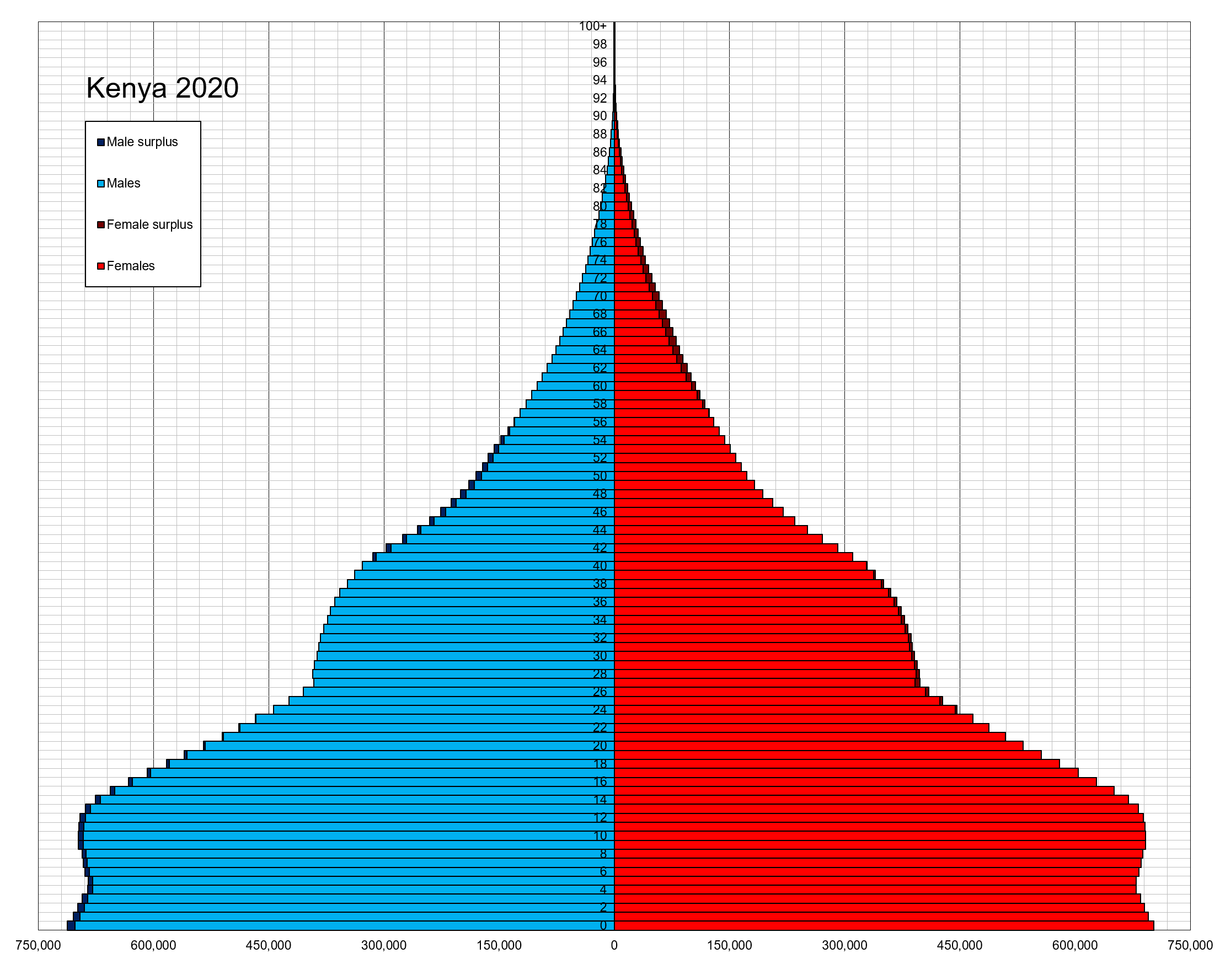
The tragedy unfolded against the backdrop of Kenya’s broader socio-demographic landscape, characterized by rapid population growth and a diverse, multi-ethnic society that has expanded from roughly 15.3 million inhabitants in 1979 to over 47 million in the most recent national census. This swift demographic transition, combined with economic pressures, has left segments of the population vulnerable to fringe religious movements that promise sanctuary and spiritual salvation amid systemic hardships. Furthermore, Kenya hosts hundreds of thousands of refugees and asylum seekers, reflecting a region grappling with persistent displacement and instability, which further strains state resources and community resilience.
In the wake of the Shakahola revelations, the case ignited intense national debate regarding the balance between freedom of worship and the government's duty to protect citizens from predatory actors. Kenyan authorities faced fierce criticism for failing to act on earlier warnings about Mackenzie’s extremist teachings, which had drawn police scrutiny years prior to the mass deaths. In response, lawmakers and civil society groups have intensified calls for stricter registration processes and oversight mechanisms for religious institutions, though religious leaders and human rights advocates remain divided on how to implement such measures without infringing upon constitutional guarantees of religious freedom.
The legal proceedings against Mackenzie and his co-accused involved extensive investigations, forensic exhumations, and testimony from survivors who recounted systematic coercion, deprivation, and violence within the isolated forest compound. Prosecutors framed the trial as a crucial test of the judiciary's capacity to deliver justice in complex cases of mass atrocities driven by ideological indoctrination. The resulting verdict underscores a judicial hard line against abuses perpetrated under the cloak of faith, setting a significant legal precedent for how Kenyan courts handle extremist cult activities.
While the verdict brings a measure of closure to the families of the victims, the wider regional implications highlight the ongoing challenge African governments face in countering radicalization and extremist ideologies that exploit economic vulnerability. As East African nations navigate rapid demographic shifts and socio-economic pressures, the Shakahola massacre serves as a stark reminder of the urgent need for enhanced institutional vigilance, inter-agency intelligence sharing, and community-level engagement to prevent similar humanitarian disasters from taking root across the region.
Produced by our editorial team, with AI assistance in editing.