

Turkey
Capital: Ankara · Asia
Turkey is a pivotal power straddling Europe and Asia, blending the heritage of East and West. A nation of about 85 million people, it controls the Bosphorus strait linking the Black Sea and the Mediterranean, giving it immense strategic weight. From the millennia-old sights of Istanbul to the wonders of Cappadocia, Turkey is a major tourist destination. A NATO member that also maintains close ties with Russia, it pursues a flexible, balancing foreign policy. Its role across the Middle East, Europe and Central Asia makes it central to regional geopolitics.
Turkey in world rankings
- 18th largest by population in the world (of 219)
- 38th largest by area in the world (of 219)
- 15th largest economy (GDP) in the world (of 178)
- 56th highest GDP per capita in the world (of 178)
- Capital
- Ankara
- Population
- 85,372,377
- Area
- 783,562 km²
- Currency
- Turkish lira
- GDP
- $1.60T
- GDP per capita
- $18,599
- Life expectancy
- 77.4 yrs
- Urban population
- 90%
- Calling code
- +90
- Internet users
- 90%
- Forest cover
- 29%
- Languages
- Turkish
Turkey compared with Taiwan
How Turkey measures up against Taiwan — home to 23.3 million people across 36,193 km².
Countries bordering Turkey


.svg%3Fwidth%3D320)
Latest news — Turkey
More news →Libya’s Eastern Parliament Approves Contentious 2019 Maritime Boundary Deal With Turkey
Libya’s eastern-based House of Representatives has officially approved the contentious 2019 maritime boundary agreement signed between Turkey and the forme
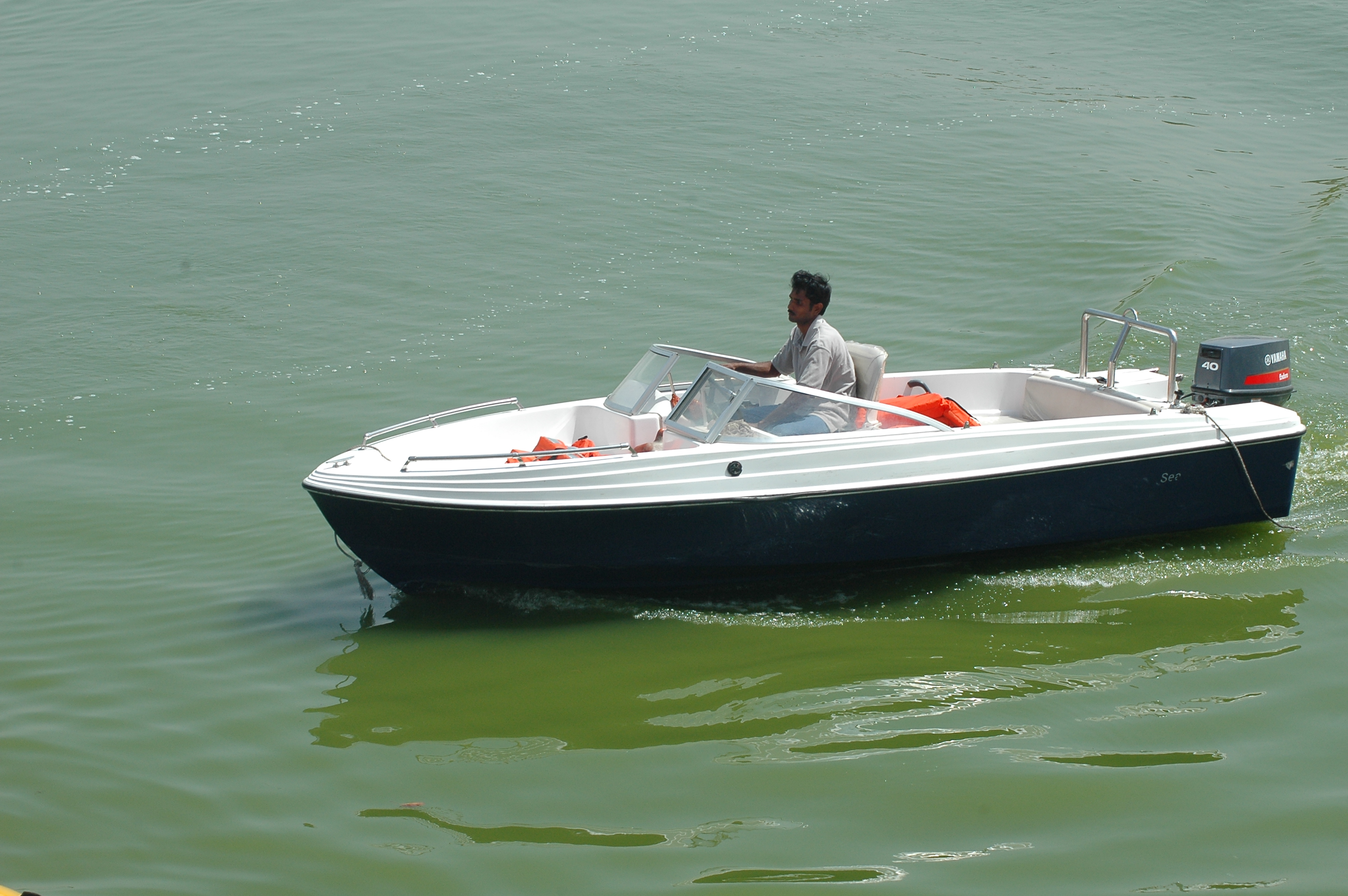
Twelve Migrants Die After Two Speedboats Capsize Off Greek Islands
Tragedy struck the Eastern Aegean on Tuesday as coast guard officials reported that twelve migrants, including an infant, lost their lives after two separa
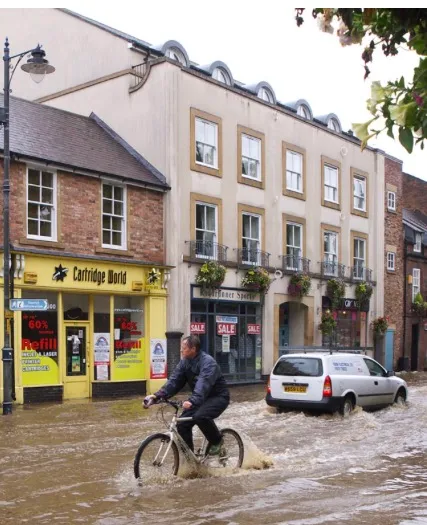
Flash Flooding in Istanbul Leaves Three Dead and Four Missing After Torrential Rain
Torrential rainfall triggered severe flash flooding across Turkey’s largest city, Istanbul, leaving at least three people dead and four others missing as r
Turkish Authorities Raid Headquarters and Force Opposition Broadcaster Halk TV Off Air
Turkish opposition-leaning and independent broadcaster Halk TV was forced off the air following a police raid on its headquarters and the government’s appo
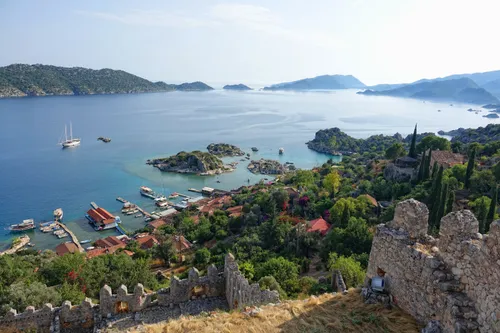
World's Oldest Known Shipwreck Discovered Off the Coast of Turkey
Archaeologists in Turkey have unearthed what is now confirmed to be the oldest known shipwreck in the world, dating back to somewhere between 2700 and 2400
Bus and Truck Collision on Turkish Toll Road Leaves 11 Dead
At least eleven people were killed and 27 others injured on Thursday following a severe collision involving a tour bus and a truck along the Otoyol 5 toll
Country profile
Background
Modern Turkey was founded in 1923 from the remnants of the Ottoman Empire by reformer and national hero Mustafa KEMAL, known as Ataturk or "Father of the Turks." One-party rule ended in 1950, and periods of instability and military coups have since fractured the multiparty democracy, in 1960, 1971, 1980, 1997, and 2016. Turkey joined the UN in 1945 and NATO in 1952. In 1963, Turkey became an associate member of the European Community; it began accession talks with the EU in 2005. Turkey intervened militarily on Cyprus in 1974 to prevent a Greek takeover of the island and has since acted as patron state to the "Turkish Republic of Northern Cyprus," which only Turkey recognizes.…
Location
Southeastern Europe and Southwestern Asia (that portion of Turkey west of the Bosporus is geographically part of Europe), bordering the Black Sea, between Bulgaria and Georgia, and bordering the Aegean Sea and the Mediterranean Sea,…
Climate
temperate; hot, dry summers with mild, wet winters; harsher in interior
Terrain
high central plateau (Anatolia); narrow coastal plain; several mountain ranges
Natural resources
coal, iron ore, copper, chromium, antimony, mercury, gold, barite, borate, celestite (strontium), emery, feldspar, limestone, magnesite, marble, perlite, pumice, pyrites (sulfur), clay, arable land, hydropower
Ethnic groups
Turkish 70-75%, Kurdish 19%, other minorities 6-11% (2016 est.)
Religions
Muslim 99.8% (mostly Sunni), other 0.2% (mostly Christians and Jews)
Government
presidential republic
Economy
upper-middle-income, diversified Middle Eastern economy; industrializing economy that maintains large agricultural base; key energy, tourism, and construction sectors; high inflation, interest rates, and foreign debt pose risk to financial stability
Turkey · Travel guide
Understand
History
There is evidence that the bed of the Black Sea was once an inhabited plain before it was flooded in prehistoric times by rising sea levels. Mount Ararat (Ağrı Dağı), at 5,165 m (16; 946 ft), is Turkey's highest point and the legendary landing place of Noah's Ark on the far eastern edge of the country. The area that is now Turkey has been part of many of the world's greatest empires throughout history such as the Hittites and Phrygians. The city of Troy, famously destroyed by the Greeks in Homer's Illiad, has always been associated with the entrance to the Dardanelles strait in northwestern Anatolia. The area was to become part of the Roman Empire. One of the most famous quotes in history; "Veni, vidi, vici" was declared by Julius Caesar during his Anatolian conquests. Subsequently, the region became part of the Eastern Roman (Byzantine) Empire after the Roman Empire split into two, with Constantinople (now Istanbul) as its capital. The year 1071 marked the Seljuk/Turkish entry to Anatolia. The Ottoman Empire subsequently defeated the Byzantines, dominated the eastern Mediterranean and Balkans, until its defeat by the Allies in World War I. The Turkish Republic (Türkiye Cumhuriyeti) was founded in 1923 from the remnants of the Ottoman Empire. Soon thereafter the country instituted secular laws to replace traditional religious fiats and instigated many other radical reforms to rapidly modernize the state. Granting women suffrage, way before most of the Europe, was one of many reforms of the founder of the Turkish Republic, Mustafa Kemal Atatürk. He continues to be revered as one of the few leaders associated with a genuinely benevolent cult of personality; and you can see his face gazing down on you or up into the distance in a fatherly, visionary or determined
See
Many museums and ancient sites in Turkey are closed on Mondays, although there are as many exceptions. The Turkish government offers a museum pass for many sights and museums in Turkey; there are also regional passes. Check out what is included, as they don't cover some sights and numerous others can still be seen for free.
Ancient ruins and architectural heritage
At the crossro
Getting there
Entry requirements
Visitors from the Republic of Cyprus should present their ID cards to supplement their passports since Turkey does not recognize the country.
Visa-free Turkish visa requirements were relaxed in 2020. Ordinary passport holders of the countries below can enter Turkey visa-free for tourism and commerce, for up to 90 days unless a shorter period is stated. Your passport must be valid for 60 days beyond your maximum stay, so for most visitors that is 150 days beyond entry. That is just under five months: they politely ask for six months validity on entry but it is not a requirement. (Be prepared to argue this point with airline clerks.) So, no visa needed if you're from:
all EU and EEA countries except the Republic of Cyprus. For Latvia, entry is only for 30 days. The EU/EEA visa regime also applies to Andorra, Monaco, the United Kingdom, and the Vatican. Other European countries: Albania (90 days), Bosnia and Herzegovina (90), Kosovo (90), Moldova (90), Montenegro (90), North Macedonia (90), Serbia (90), Ukraine (90), and the Turkish Republic of Northern Cyprus (no limit). CIS countries: Russia (60), Belarus (30), Azerbaijan (30), Georgia (90), Kazakhstan (30), Kyrgyzstan (30), Mongolia (30), Tajikistan (30) and Uzbekistan (30); but not Armenia and Turkmenistan. Central and South America and the Caribbean: Argentina, Belize, Bolivia, Brazil, Chile, Colombia, Costa Rica (30), Ecuador, El Salvador, Guatemala, Honduras, Nicaragua, Paraguay, Peru, St Kitts and Nevis, Trinidad and Tobago, Uruguay, and Venezuela. Others: Australia, Bahrain, Brunei, Canada, Hong Kong (SAR Passports only), Indonesia, Iran, Israel, Japan, Jordan, Kuwait, Lebanon, Libya (depends on age), Macau (30), Malaysia, Morocco, New Zealand, Oman, Qatar, Saudi Arabia, Seychelles, Singa
Getting around
By plane By European standards, Turkey is a huge country, with mountains impeding the highways and railways, so domestic air travel is well-developed. Especially on routes to Istanbul it's also very competitive, with Turkish Airlines, and low-cost companies AJet, Pegasus Airlines and Sunexpress Airlines fighting for your custom. They operate flights from Izmir and Antalya regions to the Eastern and Black Sea regions. There are flights between Istanbul and Ankara hourly; Izmir and Adana have several flights a day to Istanbul (both IST and SAW) and Ankara, and every city has at least a daily flight. Turna is a convenient platform to check tickets. Regional airports usually have a connecting Havaş bus to the city centre, which will wait, within reason, for incoming flights. Buses and minibuses also fan out from the airports to other nearby towns.
By bus
Turkey has a very good long-distance bus network with air-conditioned buses, reserved seats and generally good-quality service, at least with the major operators. There are now quite a number of companies providing more comfortable buses with 2 + 1 seats per row. Standard buses, however, have seats narrower than those of economy class on aircraft. Buses are often crowded and smoking is prohibited. Go to the Otogar (bus station) in any of the major cities and you can find a bus to almost any destination departing within half an hour, or a couple of hours at the most. Buses are staffed by drivers and a number of assistants. During the ride you will be offered free drinks, a bite or two, and stops will be made every 2½ hr or so at well-stocked road restaurants. The further east you travel, the less frequent buses will be, but even places as far as Dogubeyazit or Van will have regular services to many places hundreds of k
Cities & destinations in Turkey 117
World Heritage in Turkey 6
Museums in Turkey 6
National parks in Turkey 6
Airports in Turkey 60
Tallest buildings in Turkey 12
Caves in Turkey 12
Nature reserves in Turkey 12
Ports in Turkey 12
Railway stations in Turkey 12
Hospitals in Turkey 12
Hotels in Turkey 12
Shopping malls in Turkey 12
Aquariums in Turkey 12
Stately homes & country houses in Turkey 8
Churches in Turkey 12
Gardens in Turkey 12
City parks in Turkey 12
Notable schools in Turkey 12
Music venues in Turkey 12
Arenas in Turkey 12
Racecourses in Turkey 10
Cemeteries in Turkey 12
Observatories in Turkey 9
Ski resorts in Turkey 5
Prisons in Turkey 10
Mines in Turkey 12
Amusement parks in Turkey 3
Reservoirs in Turkey 3
Zoos in Turkey 6
Canals in Turkey 1
Palaces in Turkey 12
Botanical gardens in Turkey 3
Squares & plazas in Turkey 12
Monuments & memorials in Turkey 12
Libraries in Turkey 12
Forts & fortresses in Turkey 12
Tunnels in Turkey 12
Power stations in Turkey 12
Archaeological sites in Turkey 12
Monasteries in Turkey 12
Synagogues in Turkey 12
Mosques in Turkey 12
Cathedrals in Turkey 10
Tallest towers in Turkey 12
Tallest dams in Turkey 12
Explore Turkey by category
Country fields from Wikidata (CC0); flag via Wikimedia Commons; profile from the CIA World Factbook (public domain); travel guide from Wikivoyage (CC BY-SA); GDP, GDP per capita and life expectancy from World Bank Open Data (CC BY 4.0).