UN declares famine in Sudan's Jebel Marra, warns 1.2 million at risk
Khartoum‑based authorities confirmed on 9 September that a famine has taken hold across Sudan’s Jebel Marra plateau in the Darfur region, where at least 20
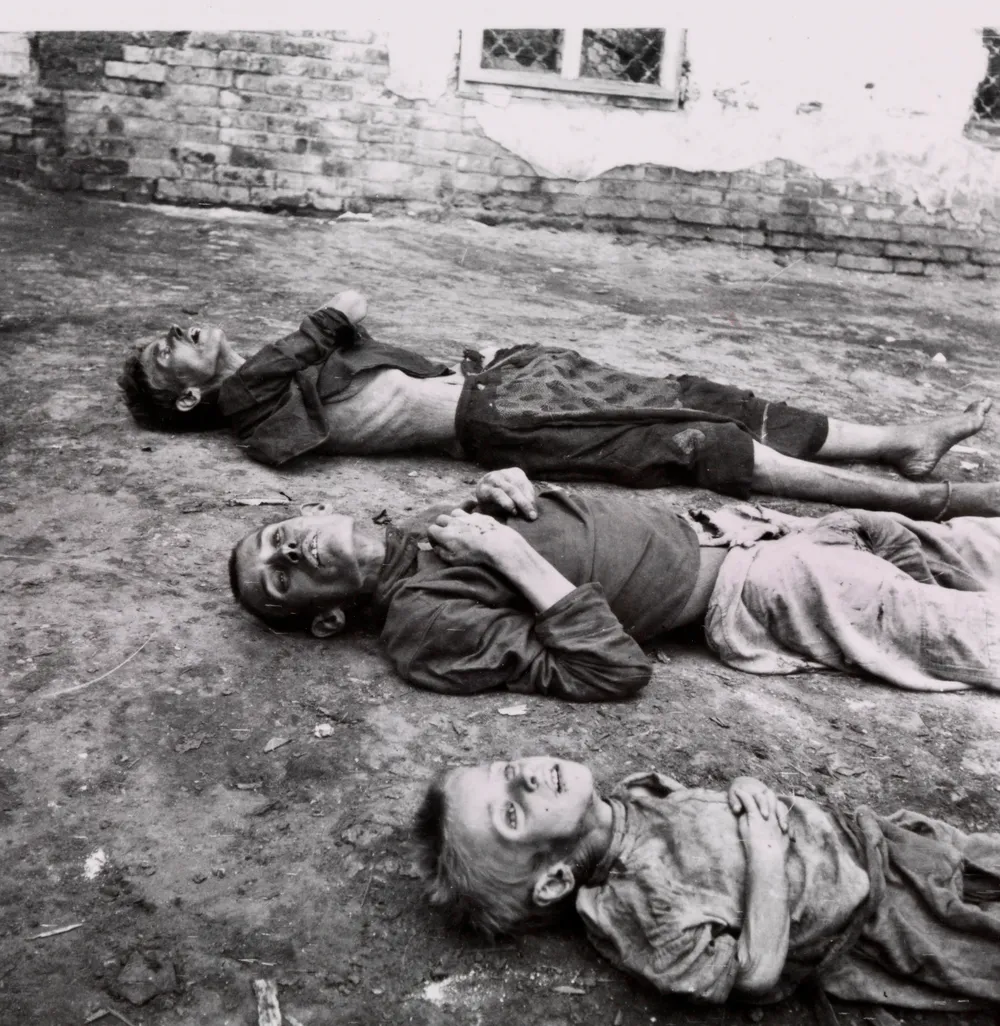
Khartoum‑based authorities confirmed on 9 September that a famine has taken hold across Sudan’s Jebel Marra plateau in the Darfur region, where at least 20 people have died from a combination of acute hunger and disease. The United Nations Office for the Coordination of Humanitarian Affairs (UNOCHA) and the World Food Programme (WFP) issued an urgent appeal on Tuesday, warning that the food crisis could affect up to 1.2 million residents if assistance does not reach the area within weeks. The declaration follows a series of satellite‑based assessments that showed a steep decline in crop yields and a sharp rise in malnutrition indicators over the past six months.
A famine is defined as a severe, widespread shortage of food that results in a sharp increase in mortality, often accompanied by disease outbreaks and profound social dislocation. It can arise from a range of drivers, including armed conflict that disrupts agricultural production and markets, prolonged drought or other natural disasters that damage harvests, systemic poverty, and policy failures that impede food distribution. Historically, famines have claimed millions of lives, particularly in regions where governance is weak and external shocks are frequent. Although global mortality from famine has fallen dramatically since the 1970s, the phenomenon remains a stark reminder of the fragility of food systems when multiple stressors converge.
Jebel Marra, a volcanic highland that once served as a breadbasket for Darfur, has been caught in a perfect storm of conflict and climate stress. Since 2003, the broader Darfur region has endured intermittent fighting between government forces, rebel groups and militias, which has displaced millions and left large swathes of farmland abandoned. In recent years, erratic rainfall patterns and a prolonged dry spell have reduced the already limited rain‑fed agriculture, while the destruction of irrigation infrastructure has further curtailed production. The combination of these factors has left households without viable means to secure food, forcing many to rely on dwindling humanitarian rations that are often delayed by insecurity on the ground.
International relief agencies face a daunting logistical landscape. The WFP estimates that only a fraction of the required 1.5 million metric tons of food aid has been delivered, hampered by road blockades, landmines and the threat of attacks on aid convoys. Meanwhile, donor fatigue and competing crises in Ukraine, the Horn of Africa and the Middle East have constrained funding streams, prompting the UN to call for an additional $200 million to scale up nutrition programmes, cash transfers and disease prevention measures. Local NGOs, though better placed to navigate community networks, lack the resources to bridge the gap, and the United Nations has warned that without a rapid surge in assistance, mortality could double within the next two months.
The unfolding tragedy in Jebel Marra resonates beyond Sudan’s borders. The Red Sea, a critical artery for global trade—including the transport of energy supplies and bulk commodities—passes close to the Darfur conflict zone, and prolonged instability could disrupt shipping routes that affect markets worldwide. Moreover, the humanitarian response to the famine underscores the interconnectedness of global food security; shortages in one region can drive up commodity prices, strain international aid budgets and heighten the risk of secondary crises elsewhere. For Taiwan, which imports a significant share of its food and relies on stable maritime corridors for semiconductor supply chains, the situation highlights the importance of diversified sourcing and active participation in multilateral disaster‑relief mechanisms. Ensuring that famine‑affected regions receive timely assistance not only saves lives but also helps maintain the resilience of the global food and trade systems on which many economies, including Taiwan’s, depend.
Produced by our editorial team, with AI assistance in editing.