France Faces Fourth Consecutive Weekend of Nationwide Economic and Tax Protests
France has seen a fourth consecutive weekend of nationwide demonstrations, with approximately 146,000 participants joining labor unions, student groups, an
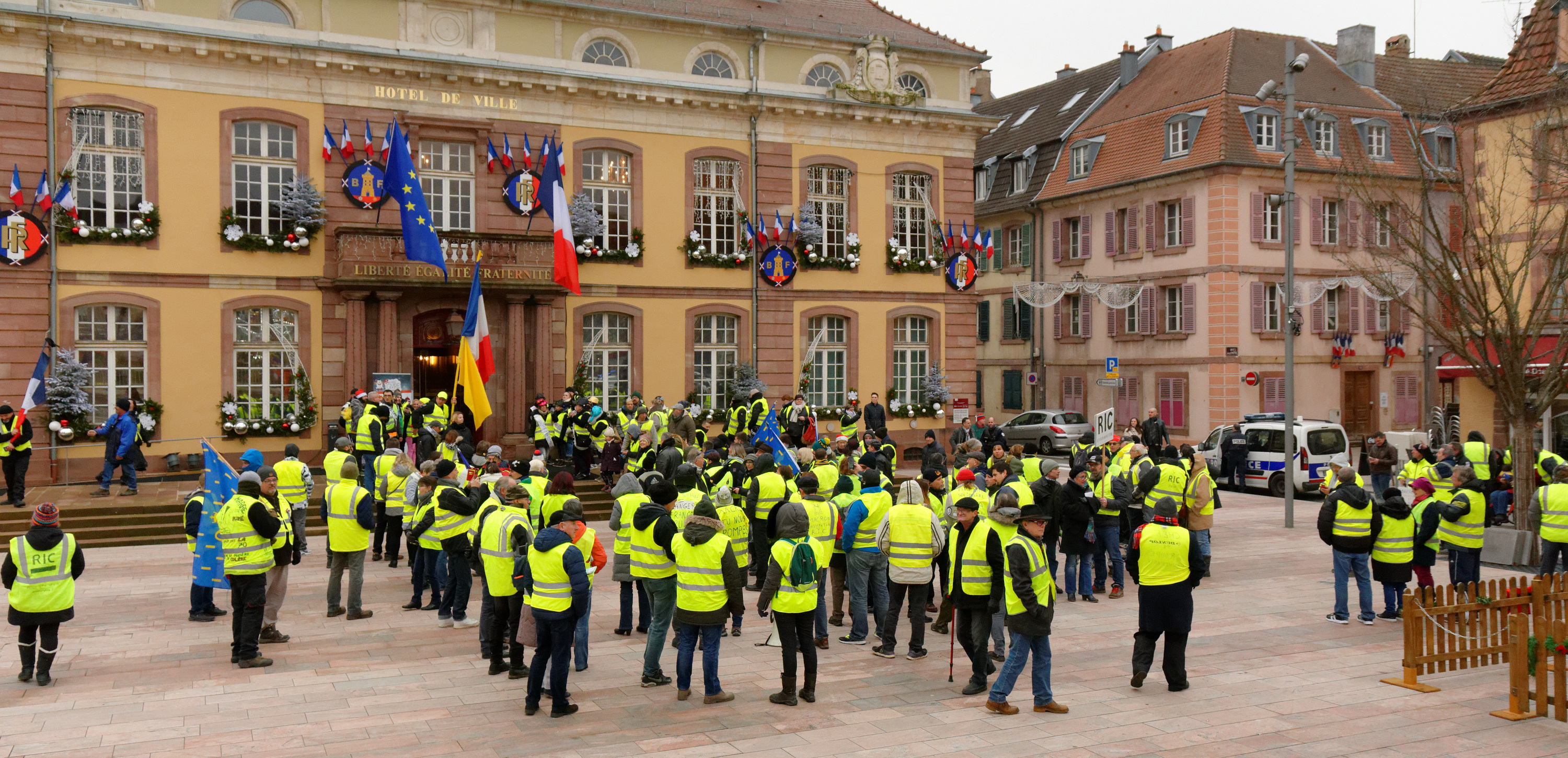
France has seen a fourth consecutive weekend of nationwide demonstrations, with approximately 146,000 participants joining labor unions, student groups, and the populist "yellow vest" movement to voice widespread economic grievances. The latest wave of protests underscores persistent domestic tensions over the cost of living, taxation policies, and the economic direction of the country under President Emmanuel Macron’s administration.
The demonstrations trace their roots to late 2018, originating as a grassroots response to rising fuel prices and crude oil costs before rapidly evolving into a broader working-class and middle-class revolt against economic inequality. Protesters from rural and peri-urban areas have consistently argued that national fiscal policies place a disproportionate financial burden on ordinary citizens while failing to address systemic wealth disparities. What began as opposition to specific fuel levies quickly expanded into a comprehensive set of demands encompassing higher minimum wages, the reinstatement of wealth taxes, and systemic political reforms, with some factions even calling for the resignation of the president.
While the movement initially gained momentum through online petitions and decentralized organizing, it has frequently been complicated by clashes involving fringe extremist elements and security forces. Despite government concessions and repeated appeals for social dialogue, the core grievances regarding purchasing power and economic fairness remain unresolved, periodically reigniting public mobilization across French cities.
For the broader European region, these sustained domestic upheavals carry notable implications regarding policy stability and economic continuity within the European Union's second-largest economy. Persistent social unrest in France affects consumer confidence, labor productivity, and the capacity of the central government to implement structural reforms, potentially slowing broader eurozone integration and fiscal coordination at a time of broader continental economic uncertainty.
Produced by our editorial team, with AI assistance in editing.