
Two cargo ships sink after projectile attacks near Strait of Hormuz.
Two cargo vessels, the Singapore‑flagged container ship *GFS Pride* and the Antigua and Barbuda‑flagged dry bulk carrier *Cape Dao*, sank after both were s
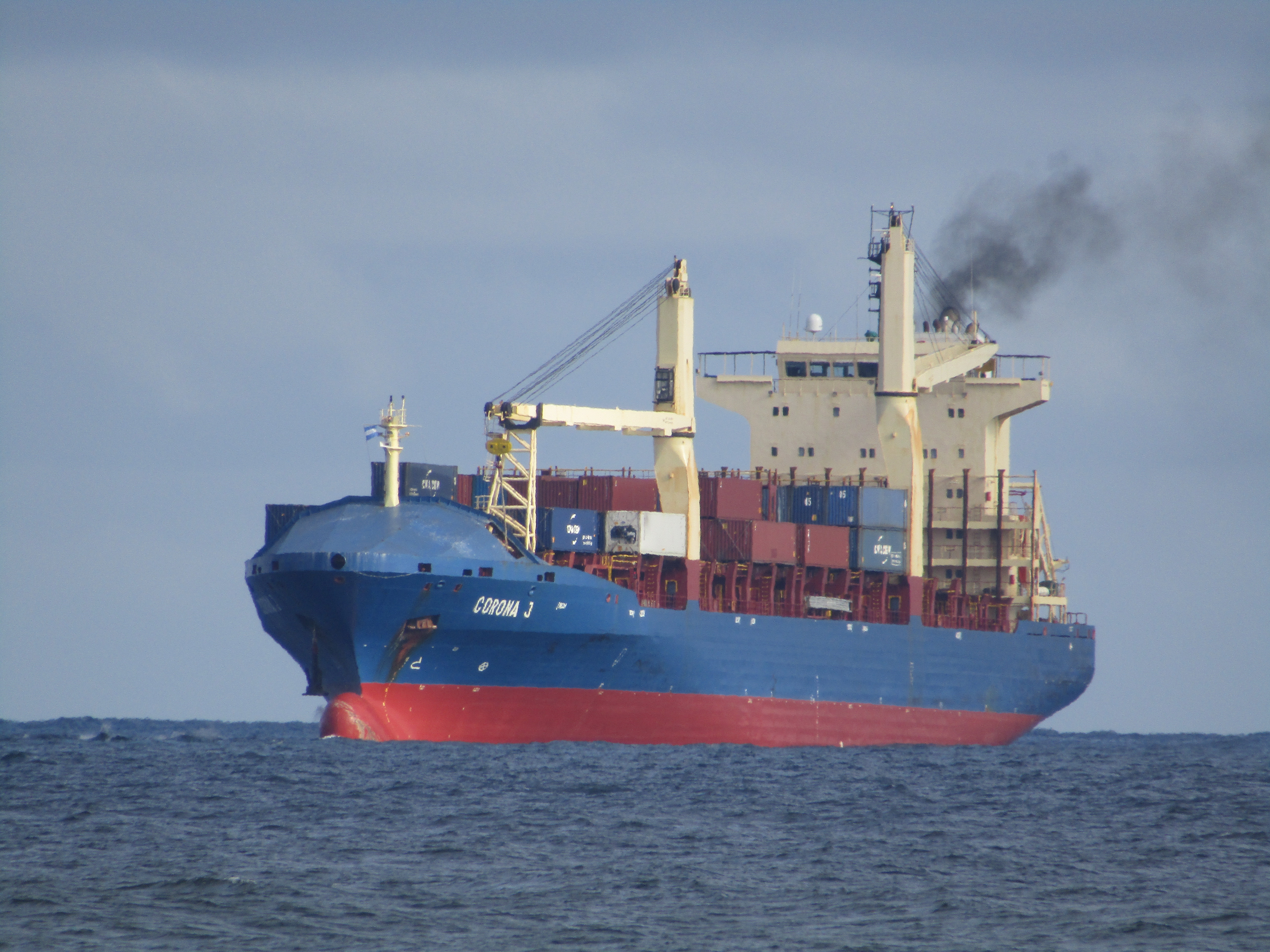
Two cargo vessels, the Singapore‑flagged container ship *GFS Pride* and the Antigua and Barbuda‑flagged dry bulk carrier *Cape Dao*, sank after both were struck by projectiles near the Strait of Hormuz on Friday. The attacks, which occurred while the ships were attempting to navigate a route that Iran’s Islamic Revolutionary Guard Corps (IRGC) described as “illegal and dangerous,” left at least one crew member dead. The incidents were confirmed by the International Maritime Organization and the U.S. Navy’s Central Command, which monitored the region’s shipping lanes.
The Strait of Hormuz, a narrow waterway that connects the Persian Gulf to the Gulf of Oman, is one of the world’s most critical maritime chokepoints. Roughly 20% of global oil shipments pass through its 35‑kilometre width, and the route also accommodates a vast amount of general cargo, bulk commodities and raw materials. In 2023 alone, the strait handled more than 15 million twenty‑foot equivalent units of cargo, underscoring its importance to the global supply chain. Because of its strategic significance, the area has been a flashpoint for geopolitical tensions for decades, with Iran frequently warning foreign vessels of “unlawful” navigation and threatening to close the channel in response to perceived provocations.
The *GFS Pride* was a 201‑meter container ship carrying a mixed load of consumer goods and industrial equipment. Its sister vessel, *Cape Dao*, a 120‑meter dry‑bulk carrier, was carrying grain destined for markets in East Asia. According to shipping logs, both vessels deviated from the standard shipping lane—typically a 20‑kilometre corridor south of the Iranian coast—to avoid Iranian patrols. The IRGC’s statement, released via a government‑controlled media outlet, claimed the ships had entered a “dangerous zone” and had been fired upon by coastal missile batteries. The United Nations Security Council has repeatedly warned against any escalation that could threaten civilian shipping in the region, but Iran has maintained that it is protecting its territorial integrity against what it calls “unlawful” navigation.
The attacks raise fresh concerns about maritime security in the Persian Gulf. Shipping companies have long relied on established routes to minimize costs and transit times, and any disruption can ripple through global supply chains. In recent years, the industry has already faced a surge in piracy incidents off the Somali coast and a spike in cyber‑attacks targeting vessel navigation systems. The loss of two freighters in the same incident, combined with the death of a crew member, signals a potential shift in the risk calculus for vessels traversing the Hormuz corridor.
The international shipping community has responded with calls for clearer rules of engagement and better communication protocols. The International Maritime Organization’s Maritime Security Committee has urged all states to uphold the principle of freedom of navigation and to refrain from using force against commercial vessels unless there is a legitimate security threat. Meanwhile, the U.S. Maritime Administration has offered additional guidance to U.S.‑flagged ships, encouraging them to stay within the approved lanes and to maintain open lines of communication with coastal authorities.
For Taiwan, the incident underscores the fragility of the supply chains that underpin its high‑technology sector. Taiwan’s semiconductor industry is heavily dependent on raw materials—such as silicon and other feedstocks—transported via the Strait of Hormuz. A disruption in the flow of these goods could delay production timelines for global electronics manufacturers, potentially impacting the worldwide market for semiconductors. Moreover, the strait is a key transit point for energy supplies; any escalation that threatens shipping safety could trigger price volatility in oil and gas markets, affecting Taiwan’s energy security and the broader Indo‑Pacific region. The incident serves as a stark reminder that geopolitical tensions in one part of the world can reverberate across international trade networks, necessitating robust diplomatic and security measures to safeguard the continuity of global commerce.
Produced by our editorial team, with AI assistance in editing.

