
Seven Dead, One Missing After Rubber Boat Explosion Off Liaoning Coast
A serious maritime accident occurred recently off the coast of Liaoning Province, China, when an inflatable boat exploded while in transit, resulting in ca
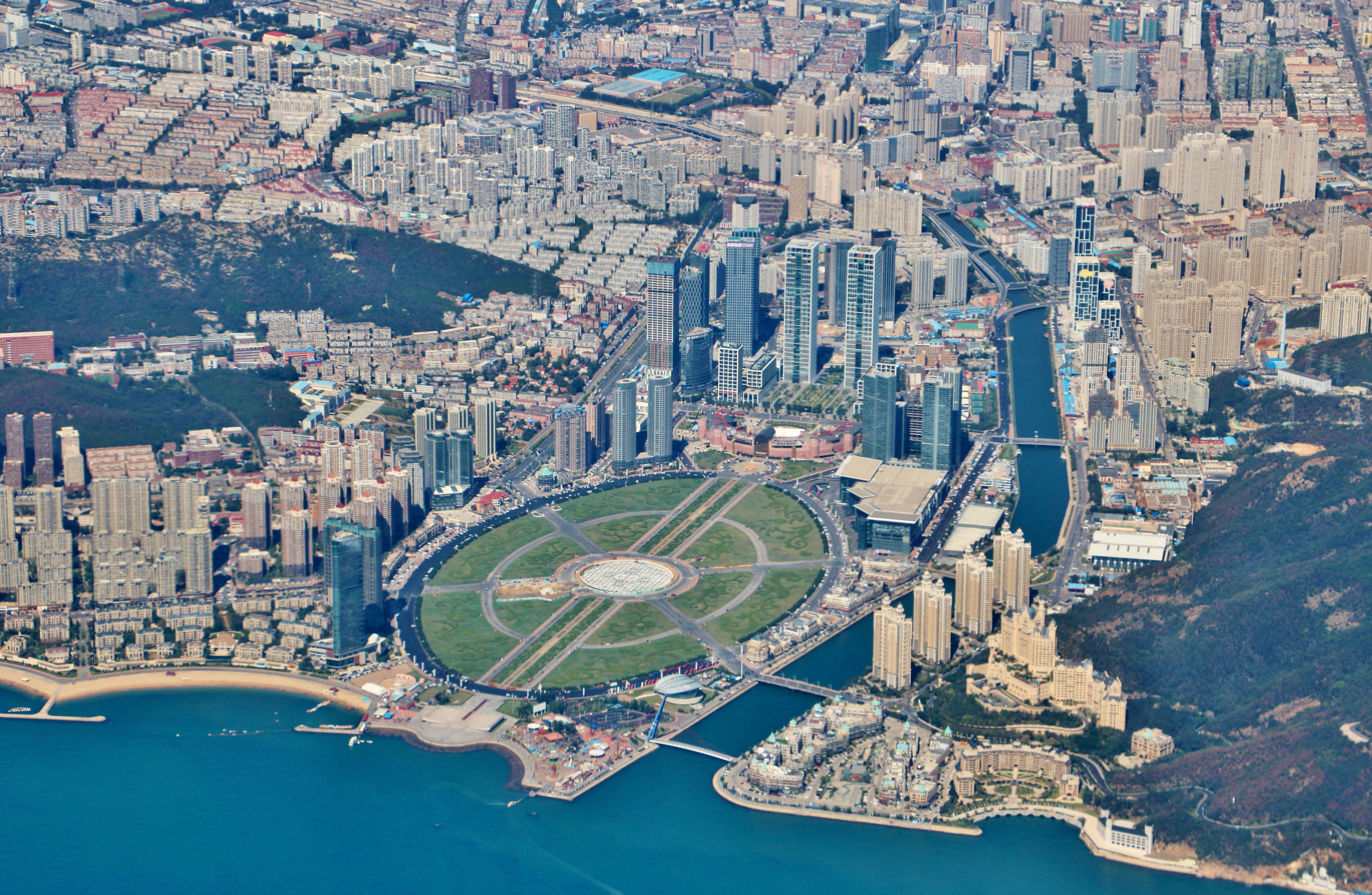
A serious maritime accident occurred recently off the coast of Liaoning Province, China, when an inflatable boat exploded while in transit, resulting in casualties. According to official reports, the explosion destroyed the vessel. It has been confirmed that seven people have died, and one person remains missing. Upon receiving the report, local search and rescue authorities immediately activated emergency response protocols, deploying vessels and helicopters to the area for a large-scale rescue operation. However, due to the complex conditions of the waters, the search remains challenging, and the likelihood of finding the missing person alive is decreasing as time passes.
Located in Northeast China, Liaoning is the country’s northernmost coastal province, bordered to the south by the Bohai and Yellow Seas. It serves as a gateway connecting the Chinese interior to the Northeast, and its extensive coastline and diverse port facilities make it a vital transportation and industrial hub. Historically, the region has undergone various political transformations, evolving from Fengtian Province to the present-day Liaoning, bearing witness to the shifts of modern Chinese history. Given its proximity to North Korea and its location across the Yalu River from the city of Dandong, the region sees frequent maritime activity, including fishing, transport, and scientific research. Consequently, safety management in these waters has long been a priority for local authorities.
The exact cause of the explosion is currently under investigation by relevant departments. Public attention is focused on the nature of the inflatable boat and the purpose of its voyage. In China’s coastal regions, the safety regulation of small vessels has long been a challenge for maritime authorities. Because such inflatable boats often fail to meet the safety standards required of larger vessels, they are prone to serious accidents caused by weather changes, equipment failure, or improper operation, especially if they involve illegal modifications, overloading, or the transport of hazardous materials. Local authorities have established a task force to determine the vessel’s registration and the exact timing of the incident to ascertain whether human error or failures in safety inspections were involved.
As a long-standing base for heavy industry, scientific research, and education, the safety of Liaoning’s waters is closely tied to both local social stability and the broader order of regional maritime navigation. With the increasing complexity of the situation in Northeast Asia, the frequent movement of various vessels in these waters is closely monitored by neighboring countries. While this incident is currently classified as an isolated safety event, it presents a significant challenge for Liaoning’s maritime regulatory agencies: how to strengthen safety standards and real-time monitoring for small vessels while maintaining busy maritime economic activity to prevent similar tragedies in the future.
For Taiwan, this maritime incident serves as a reminder that safety risks are ever-present in sea transport and water-based activities. Although the accident in Liaoning has no direct geopolitical link to Taiwan, as an island economy heavily dependent on the ocean and its ports, Taiwan faces similar challenges in maritime patrol, search and rescue operations, and the regulatory oversight of small vessels. This event highlights that in densely populated coastal areas, unregulated watercraft can easily become a loophole in public safety. For Taiwanese observers, examining how other countries in the region handle maritime disasters and strengthen safety inspections and emergency response mechanisms serves as a valuable reference for reviewing domestic maritime safety policies, ensuring that the risk of loss of life and property due to human error can be effectively minimized amid the growing development of the maritime industry.
Produced by our editorial team, with AI assistance in editing.
