Record rain floods Geoje, killing one and injuring several.
Heavy rains that began on Tuesday evening have turned Geoje‑si in South Gyeongsang Province into a flood‑ridden city, with water inundating streets, low‑ly
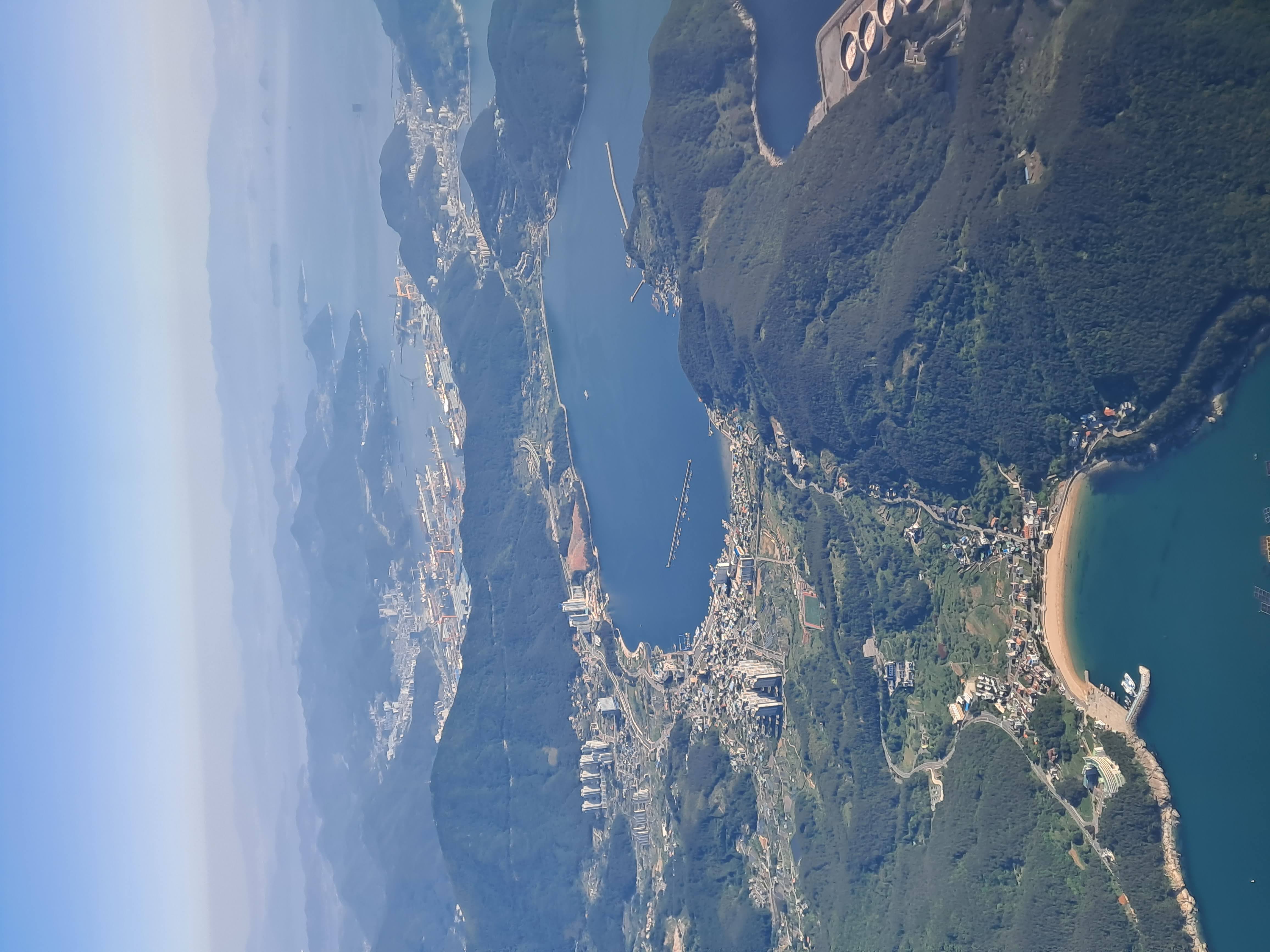
Heavy rains that began on Tuesday evening have turned Geoje‑si in South Gyeongsang Province into a flood‑ridden city, with water inundating streets, low‑lying industrial sites and residential areas. The Ministry of Environment confirmed that at least 1,200 meters of rain fell in 24 hours, and the local police report a confirmed death and several injuries. Emergency crews are still battling rising waters in the districts of Jangpyeongdong, Okpo‑dong and Gohyeon, while residents are being evacuated to higher ground.
Geoje is a coastal city situated just north of the major port of Busan. The city is built on a chain of islands, the largest being Geoje Island, which hosts two of South Korea’s most significant heavy‑industry facilities. The Hanwha Ocean shipyard in Okpo and Samsung Heavy Industries’ (SHI) Gohyeon yard are major employers and key players in the global shipbuilding market. In addition to industry, Geoje attracts tourists to its beaches, historic sites and the “Geumjeong” fortress ruins, making the city a micro‑economy that balances manufacturing and leisure.
The flooding has damaged critical infrastructure. Several roads, including a main artery that connects the two shipyards, have become impassable due to washed‑out bridges and collapsed drainage systems. A section of the Hanwha Ocean pier has been submerged, halting a scheduled delivery of steel plates to a ship in the final stages of construction. Local authorities have deployed flood barriers and sandbags, and the fire department has been called in to clear debris from power lines that have fallen into the water. The South Korean Disaster and Safety Management Agency has issued a “red alert” for the region and is coordinating with the National Police Agency to ensure safe evacuation routes.
Both the local government and the shipyards have issued statements expressing concern. Mayor Park Sung‑kwon urged residents to heed evacuation orders and promised that municipal resources would be mobilized to restore power and communications. SHI’s spokesperson said the company is conducting a rapid assessment of its facilities, noting that while production lines have been temporarily suspended, safety protocols remain unchanged and no personnel have been reported injured. Hanwha Ocean, meanwhile, indicated that its emergency response plan will be activated, with contingency arrangements already in place for critical supply deliveries.
The event underscores a growing trend of extreme weather incidents in South Korea, a country that has seen record‑breaking rainfall in recent years. Climate‑change experts warn that such events could become more frequent as global temperatures rise. For South Korea, a nation heavily dependent on its maritime industry, the disruptions pose a risk not only to local economies but also to international shipping lanes that pass through the Yellow Sea and the busy Busan port. In the wider region, the flood is a reminder that supply chains—from shipbuilding to semiconductor fabrication—are vulnerable to climate‑induced shocks. Taiwan, which relies on South Korea for a share of its shipbuilding and critical metal supplies, will need to monitor such incidents closely, as any prolonged slowdown in Korean shipyards could ripple through the global market for high‑tech components and logistics.
Produced by our editorial team, with AI assistance in editing.