
Over 300 migrants die after overloaded vessel collides with reef off Djibouti.
A maritime tragedy off Djibouti has left at least 109 people dead and a further 196 presumed lost, according to local authorities and rescue agencies. The
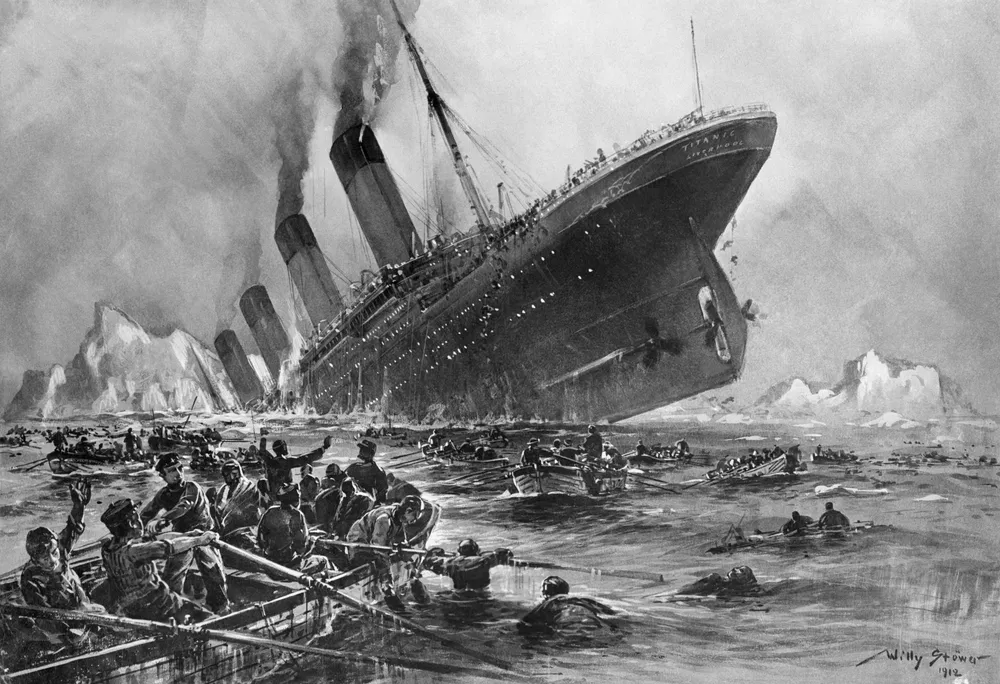
A maritime tragedy off Djibouti has left at least 109 people dead and a further 196 presumed lost, according to local authorities and rescue agencies. The incident occurred on Tuesday evening when a small migrant vessel, overloaded and reportedly in poor condition, struck a reef in the Gulf of Aden near the port city of Djibouti. The boat was carrying an estimated 300 individuals, many of whom were fleeing conflict or poverty in the Horn of Africa, before being rescued by the Djiboutian Coast Guard and United Nations humanitarian teams. Despite extensive search operations, only a handful of bodies have been recovered to date, and the fate of the remaining passengers remains uncertain.
Djibouti sits on the western entrance to the Red Sea, a strategic maritime corridor that connects the Indian Ocean to the Mediterranean via the Suez Canal. For decades, the country has become a key staging point for migrants attempting to reach Europe, the Middle East or the Gulf states. The region’s high traffic density, coupled with the prevalence of unregistered and often illegally organized transport, has made it a hotspot for maritime accidents. In recent years, the United Nations High Commissioner for Refugees (UNHCR) and the International Organization for Migration (IOM) have reported dozens of migrant boats lost or capsized in the area, highlighting systemic gaps in safety regulation and enforcement.
Details of the Djibouti wreck remain sparse, but initial statements from the Djiboutian Coast Guard suggest that the vessel was traveling under a fraudulent registration and lacked proper life‑saving equipment. Witnesses described a chaotic scene as the boat broke apart, with passengers scrambling for lifeboats that were either missing or too small for the number of people aboard. The Coast Guard dispatched several vessels and a helicopter, but the rough seas and rapid deterioration of the wreck hampered rescue efforts. The UN’s Red Sea Humanitarian Coordination Center has called for an urgent review of maritime safety standards and better cooperation between coastal states to prevent similar incidents.
The incident underscores the broader challenges faced by the international maritime community. The International Maritime Organization (IMO) has long advocated for the implementation of the International Convention for the Safety of Life at Sea (SOLAS), yet many low‑cost operators in the region remain non‑compliant. Human trafficking networks often exploit regulatory loopholes, arranging for “smuggler‑boats” that prioritize speed and cost over safety. The UN’s “Safe Migration” framework seeks to strengthen national capacities for monitoring and securing sea routes, but progress has been uneven, especially in countries with limited resources such as Djibouti.
Beyond the immediate humanitarian toll, the wreck has implications for the region’s economic and security dynamics. The Gulf of Aden is one of the world’s busiest shipping lanes, with an estimated 40,000 vessels passing through annually, many of them carrying high‑value cargo such as oil, gas and electronics. A surge in maritime accidents can disrupt trade flows, increase insurance premiums, and strain local port infrastructures already stretched thin by the influx of migrant traffic. Moreover, the incident adds another layer of complexity to regional security concerns, as militant groups in Somalia have historically targeted maritime transport for both ideological and financial motives.
In the broader context, this tragedy highlights the urgent need for coordinated maritime governance that balances commercial interests, human rights, and security. Strengthening the capacity of coastal states to enforce safety standards, improving information sharing among international agencies, and expanding humanitarian assistance to at-risk migrants are essential steps. While the event does not directly involve Taiwan, it reflects the interconnected nature of global shipping routes and the shared responsibility of the international community to safeguard lives at sea.
Produced by our editorial team, with AI assistance in editing.
