
Myanmar Military Airstrike Kills 14 at Buddhist Monastery in Myaung Township
In the early hours of Wednesday, a Myanmar military airstrike struck a Buddhist monastery compound in Myaung Township, killing at least 14 people and wound
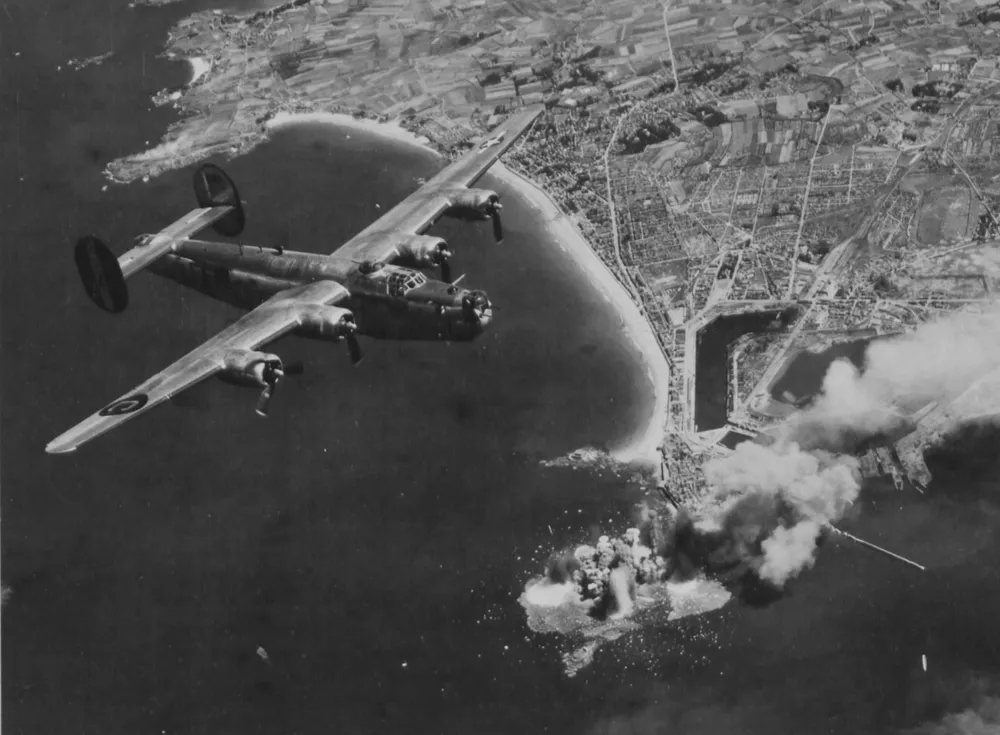
In the early hours of Wednesday, a Myanmar military airstrike struck a Buddhist monastery compound in Myaung Township, killing at least 14 people and wounding 20 others who were attending a religious gathering. The attack, reportedly carried out by fighter aircraft, was confirmed by local residents and eyewitnesses and was reported to the Myanmar Ministry of Information, which said the operation targeted a “terrorist training camp” allegedly located within the compound.
The monastery, a site of cultural and religious significance in the region, had been used by local monks for centuries. According to eyewitness accounts, the strike involved a series of low‑altitude bombing runs that caused widespread destruction of the compound’s buildings and the surrounding area. The Myanmar military’s statement emphasized that the target was a “terrorist training facility” and that the operation was part of its ongoing campaign against armed groups in the region. In contrast, the monks’ community, the local civil society, and several human‑rights observers have condemned the attack as a disproportionate use of force and a violation of the sanctity of religious sites.
The broader context of Myanmar’s conflict is one of persistent tension between the central military junta and various ethnic armed organizations, many of which have long sought autonomy or independence in the country’s southern and western provinces. Since the 2021 coup d’état, the junta has intensified military operations against both insurgent groups and civilian populations, often citing the need to maintain national security. In this environment, the use of air power has become a more frequent tactic, with the military deploying fighter jets and attack helicopters to conduct strikes on what it identifies as “terrorist” or “insurgent” targets. The definition of an airstrike, as used by military analysts, ranges from tactical bombings and missile strikes to more indiscriminate attacks, depending on the intended target and the level of precision.
The incident has drawn condemnation from several international actors. The United Nations’ Office for the Coordination of Humanitarian Affairs has called for an independent investigation into the strike, while the United States and European Union have reiterated their concerns about the humanitarian impact of the military’s campaign. Meanwhile, the Myanmar junta has defended the operation as a necessary measure to eliminate threats, claiming that the target had been used for training armed groups. Humanitarian organisations have highlighted the lack of clear evidence that the monastery was indeed a militant base, raising questions about the proportionality and legality of the attack under international humanitarian law.
The impact of this airstrike extends beyond the immediate loss of life. In a region where religious sites often serve as neutral grounds for peacebuilding and community cohesion, the destruction of such a monument can deepen mistrust between the military and civilian populations. Moreover, the use of air power against a culturally significant site underscores the junta’s willingness to employ heavy firepower in civilian areas, potentially escalating the cycle of violence. For the international community, the incident raises urgent questions about the effectiveness of sanctions and diplomatic pressure in curbing the military’s conduct, and whether new mechanisms are required to protect civilians and cultural heritage in conflict zones.
For Taiwan and the wider region, Myanmar’s continued instability presents indirect but notable implications. The country’s strategic location along key maritime routes, including the Strait of Malacca, means that any disruption in its security environment can affect regional supply chains, particularly for critical raw materials and energy imports. The increased militarization of Myanmar’s airspace could also compel neighboring countries to adjust their own defense postures, potentially straining diplomatic ties within ASEAN. While Taiwan’s direct economic or diplomatic ties with Myanmar are limited, the broader pattern of regional instability can influence global market volatility, affect the reliability of supply chains for semiconductor components, and heighten security concerns for all nations engaged in Southeast Asia’s complex geopolitical landscape.
Produced by our editorial team, with AI assistance in editing.
