
Metal Pipes Sabotage Halts Train Services Across Northern and Central Netherlands
ProRail confirmed on Tuesday that railway services across the northern and central Netherlands were abruptly halted after investigators discovered a series
ProRail confirmed on Tuesday that railway services across the northern and central Netherlands were abruptly halted after investigators discovered a series of metal pipes fastened to the tracks on several key routes. The pipes caused the signalling system to fail, forcing controllers to suspend train movements as a safety precaution. The disruption, which began around 06:30 local time, affected commuter, regional and freight services between Amsterdam, Utrecht, Zwolle and the surrounding provinces. Police and the Dutch National Police’s Railway Unit have launched a criminal‑inquiry, describing the incident as a “suspected sabotage operation” and urging the public to avoid the affected stations while the investigation proceeds.
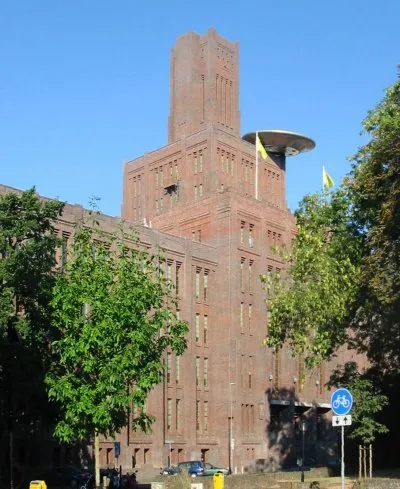
ProRail, the state‑owned body responsible for maintaining and expanding the Netherlands’ national railway infrastructure, oversees the tracks, signalling, and traffic control for the country’s mainline network. It operates under the umbrella of NS Railinfratrust, the infrastructure owner that coordinates capacity allocation among passenger and freight operators. Headquartered in Utrecht’s historic “De Inktpot” building, ProRail’s remit includes ensuring the reliability of a network that carries more than 1.2 billion passengers and a comparable volume of freight each year, making it a vital conduit for both domestic mobility and international trade corridors that link the North Sea ports with inland Europe.
The method identified by investigators—metal pipes secured to the rails—appears designed to interfere with the track circuits that feed data to the signalling system. When the circuits are compromised, the automatic safety mechanisms trigger a shutdown to prevent trains from receiving false “clear” signals. Initial forensic analysis suggests the pipes were installed covertly during the early‑morning hours, but no group has claimed responsibility. Authorities have not ruled out politically motivated activism, industrial sabotage, or a lone‑wolf act, and they have appealed for any witnesses or surveillance footage to come forward. ProRail’s crisis team has been working around the clock to remove the objects, test the signalling loops and restore service, prioritising sections that handle high‑frequency commuter traffic.
The Dutch government has expressed concern over the security of critical transport infrastructure, noting that the railway network is a backbone of the nation’s economy and a key element of its climate‑transition strategy, which aims to shift freight from road to rail. The Ministry of Infrastructure and Water Management has pledged additional resources for security upgrades, including enhanced surveillance along vulnerable track sections and tighter coordination with law‑enforcement agencies. Trade unions representing railway workers have called for a thorough safety review, emphasizing that any disruption not only inconveniences passengers but also threatens the timely delivery of goods that rely on the rail link, from agricultural produce to high‑tech components.
For the broader European logistics chain, the incident underscores the fragility of supply routes that depend on a seamless rail network. The Netherlands serves as a gateway for goods entering the continent, with ports such as Rotterdam handling a substantial share of Asian exports, including semiconductors and electronic equipment from Taiwan. Even a temporary reduction in rail capacity can force shippers to reroute cargo onto congested highways, increasing transit times, carbon emissions and costs. Companies with just‑in‑time manufacturing schedules—particularly those in the automotive and electronics sectors—could feel the ripple effects if alternative pathways are not quickly secured.
While the sabotage appears localized, its implications extend beyond Dutch borders. A reliable rail system is integral to the EU’s strategy for resilient supply chains, energy transition and regional security. For Taiwan, whose exporters rely on the efficiency of European inland transport to reach end‑markets, any interruption in the Dutch rail network can translate into delayed deliveries and heightened logistical expenses. The incident therefore highlights the interconnected nature of modern trade infrastructure: safeguarding one nation’s transport arteries contributes directly to the stability of global commerce and the competitiveness of export‑driven economies worldwide.
Produced by our editorial team, with AI assistance in editing.
