
Hurricanes Rachel and Simon leave two dead and flood Mexican coastal regions.
Two people have been confirmed dead following a destructive series of coastal storms in Mexico, as the combined impacts of Hurricanes Rachel and Simon batt
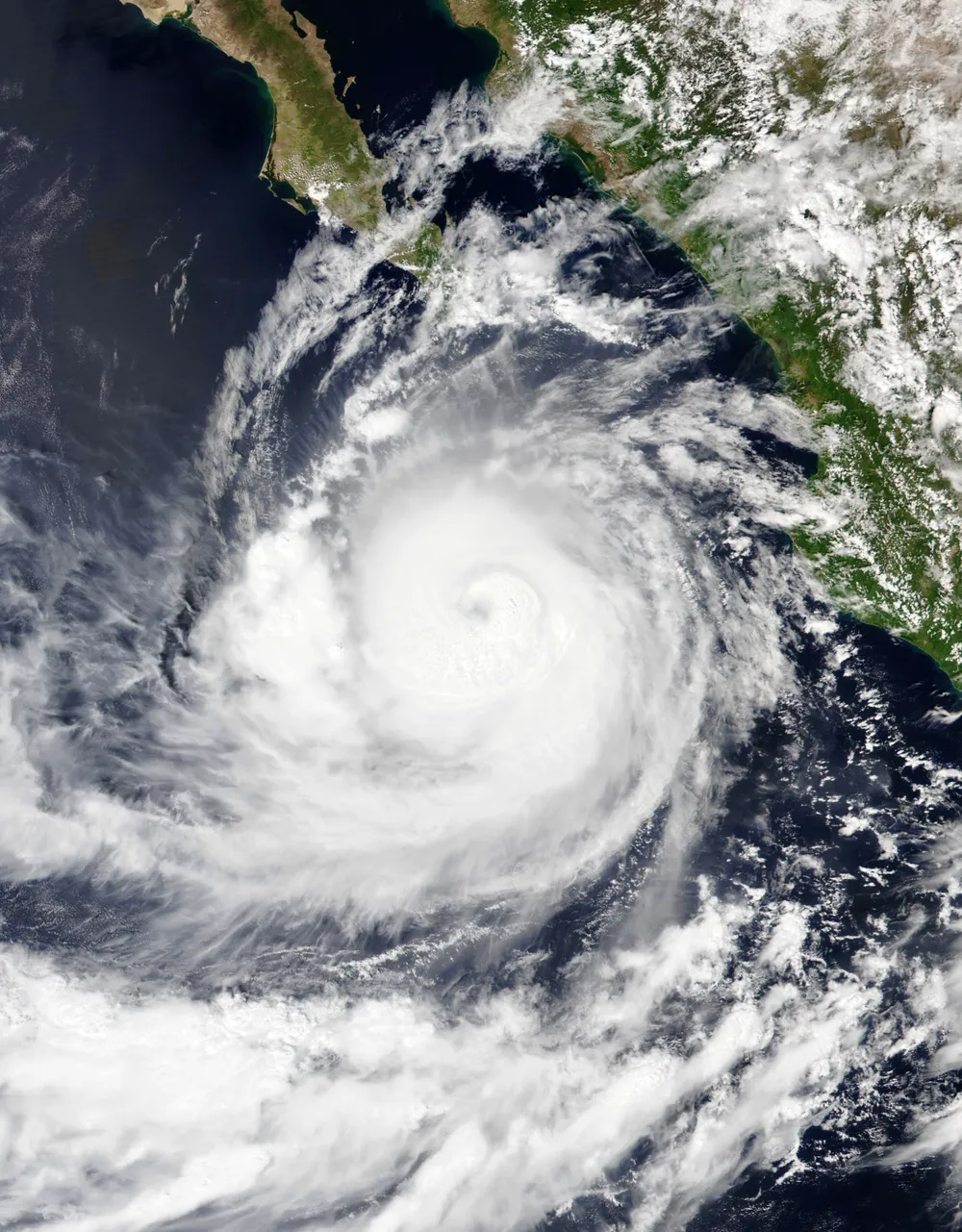
Two people have been confirmed dead following a destructive series of coastal storms in Mexico, as the combined impacts of Hurricanes Rachel and Simon battered the nation’s shoreline. Authorities in the states of Guerrero and Baja California reported the fatalities—comprising a 71-year-old man and a young girl—as torrential rains and severe flooding overwhelmed local infrastructure. State governors Evelyn Salgado and Marina del Pilar Ávila confirmed the casualties, while emergency response teams continue to assess the full extent of the property damage and mobilize relief operations across the affected regions.
The unfolding disaster follows the prolonged and erratic trajectory of Hurricane Rachel, which emerged as a formidable weather system during the notably active 2026 Pacific hurricane season. Originating from a low-pressure area south of Mexico in late September, the system steadily intensified over warm ocean waters. By early October, Rachel had escalated into a potent Category 3 major hurricane, packing significant destructive capacity. Although subsequent shifts in environmental conditions and atmospheric steering currents caused the storm to weaken and fluctuate, an approaching weather trough eventually redirected the cyclone sharply toward the northeast, putting it on a direct collision course with the Baja California peninsula.
As the system made its final approach, it rapidly degraded into a post-tropical storm while continuing to hurl heavy precipitation and trigger dangerous flash floods across northwestern Mexico. The severe weather did not stop at the international border, also prompting rare meteorological alerts further north, including only the second tropical storm watch ever issued for parts of Southern California before the remnants ultimately dissipated over the Rocky Mountains. The compound pressure of both Rachel and Simon hitting the coast in close succession has stretched municipal emergency services thin, highlighting the compounding vulnerabilities of coastal communities facing consecutive tropical threats.
State and federal disaster management agencies have deployed personnel to coordinate search-and-rescue operations and deliver emergency supplies to stranded residents in the worst-hit zones. Local governments are currently prioritizing the clearance of blocked roadways, the restoration of downed power grids, and the establishment of temporary shelters for displaced families. With soil saturation levels remaining critically high from sustained downpours, authorities maintain high alert status for secondary hazards such as mudslides and river overflows in the days ahead.
For the wider region, the severe impacts of the 2026 Pacific hurricane season underscore the escalating challenges of extreme weather events along vital North American trade corridors and coastal logistics hubs. While the storms did not directly threaten critical semiconductor manufacturing bases or cross-Pacific shipping lanes, extreme weather disruptions in Mexican transit and manufacturing sectors routinely cause temporary friction in regional supply chains. As intense tropical systems continue to test emergency preparedness infrastructure from Central America up through the western United States, governments face mounting pressure to reinforce climate resilience along critical coastal trade and energy arteries.
Produced by our editorial team, with AI assistance in editing.
