
Heavy truck hits devotees near Gwalior temple, 12 dead, 29 injured.
A heavy‑duty truck lost control on a narrow lane outside a prominent temple in Gwalior, India, on Saturday afternoon, striking a crowd of devotees and leav
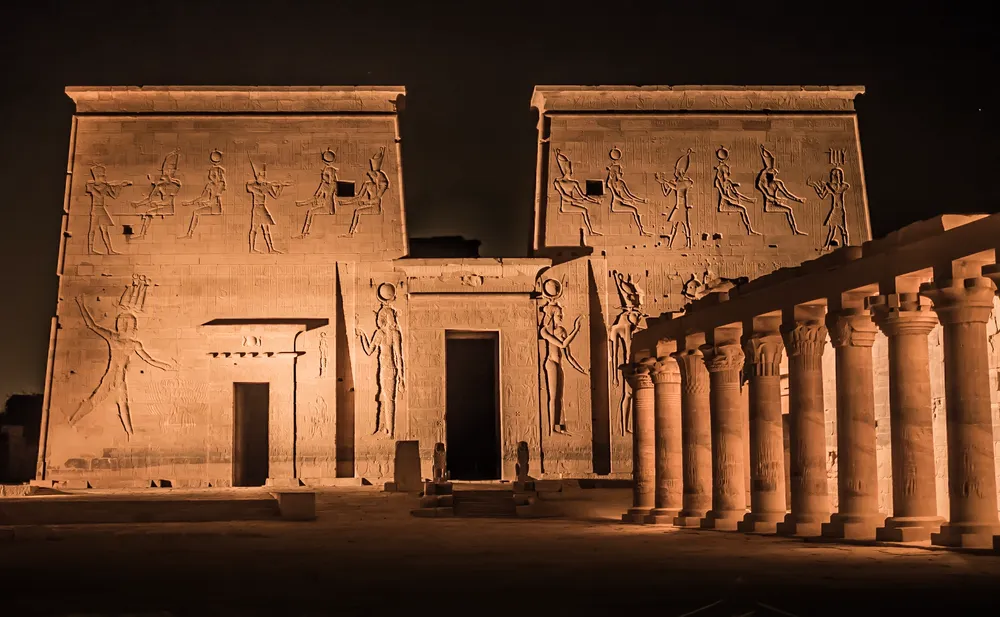
A heavy‑duty truck lost control on a narrow lane outside a prominent temple in Gwalior, India, on Saturday afternoon, striking a crowd of devotees and leaving at least twelve people dead and 29 others injured. The incident occurred in the early evening as worshippers gathered for a midday puja at the Shri Mahaveerji Temple, a major Hindu place of worship located in the heart of the city. Emergency responders arrived within minutes, but the sheer density of the crowd and the size of the vehicle made rescue efforts difficult. Local hospitals are treating the injured, and the city’s police department has opened an investigation into the cause of the crash.
Temples, in the broad sense, are buildings dedicated to spiritual practice and worship across many religions. The term “temple” is used in English for a wide range of sacred sites, from Hindu mandirs and Buddhist viharas to Sikh gurudwaras and Jain derasars. In India, Hindu temples are typically referred to in Hindi as “mandir,” yet in English they are commonly called temples because the word conveys a sense of a dedicated place of reverence. Other faiths employ distinct terms—churches for Christianity, mosques for Islam, and synagogues for Judaism—yet the functional role of a temple as a focal point for communal ritual remains comparable across traditions.
Preliminary reports indicate that the truck, a cargo lorry carrying a load of goods, was traveling on a two‑lane road that borders the temple complex. Witnesses say the driver swerved to avoid a pedestrian before losing control, causing the vehicle to overturn and crash into the gathering. The driver has been taken into custody, and authorities are reviewing CCTV footage and interviewing witnesses. Officials have not yet ruled out mechanical failure or driver fatigue, but the investigation will consider both human and vehicle factors.
City officials, the temple’s administration, and local religious leaders have expressed deep sorrow over the tragedy. The chief minister of Madhya Pradesh released a statement calling the incident “a grave loss to the community” and pledged a thorough investigation. The temple’s priests are conducting a memorial puja, while the police are coordinating with the fire department and medical teams to provide ongoing support to the wounded. No official statement has yet been made regarding any potential negligence by the trucking company or the temple authorities concerning crowd control measures.
Incidents of vehicles striking crowds at religious sites are not uncommon in India, where millions of devotees attend festivals and daily rituals in densely populated areas. According to the Ministry of Road Transport and Highways, the country recorded over 4,000 road deaths in 2022, with a significant portion occurring in or near public gatherings. This event underscores the need for stringent traffic management, clear demarcation of pedestrian zones, and robust emergency preparedness plans at places of worship, especially during peak visitation periods.
While the tragedy is a local event, it resonates globally as a reminder that road safety and crowd management are universal challenges. Nations with significant religious tourism, including Taiwan, must remain vigilant in ensuring that infrastructure and safety protocols are adequate to protect large congregations. The incident highlights the importance of coordinated efforts between transportation authorities, religious institutions, and emergency services—a lesson that extends beyond borders and into the shared responsibility of safeguarding human life in communal spaces.
Produced by our editorial team, with AI assistance in editing.

