
Heavy Rains in Northern Vietnam Trigger Flash Floods, Leaving Four Dead
Heavy rainfall in Lai Châu Province, northern Vietnam, has triggered severe flash floods and landslides, devastating a mountainous village. According to th
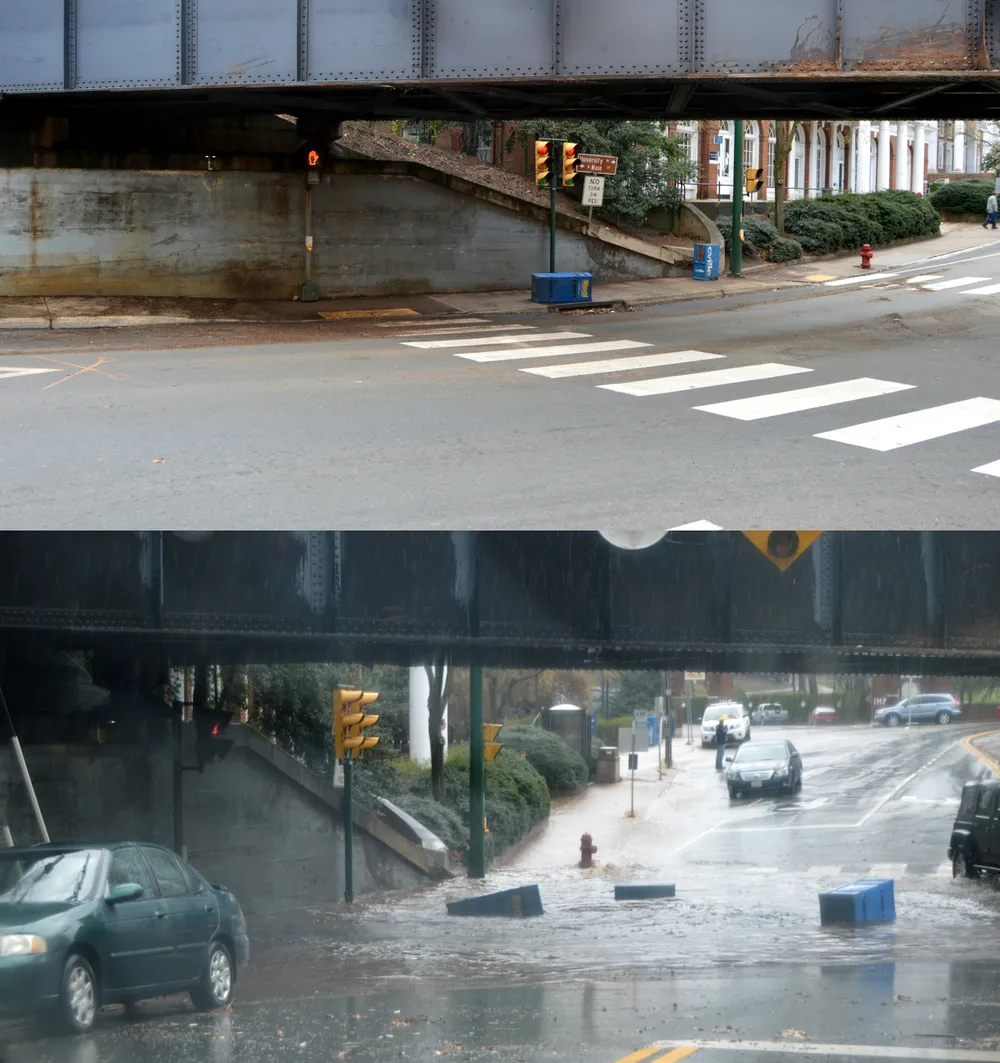
Heavy rainfall in Lai Châu Province, northern Vietnam, has triggered severe flash floods and landslides, devastating a mountainous village. According to the latest reports from local authorities, the sudden disaster has left at least four people dead and seven injured, with four others currently missing. Rescue teams have been urgently deployed to the disaster site, racing against time to search for survivors amidst mud and shattered structures. However, the complex mountainous terrain and the wide extent of the damage have posed significant challenges to rescue operations.
Flash floods are defined as rapid surges of water that occur within six hours of rainfall in low-lying areas, dry riverbeds, or valleys. Often triggered by intense thunderstorms, tropical cyclones, or snowmelt, these events are characterized by their extreme speed and limited warning time, which frequently catches populations off guard. Unlike typical floods that rise gradually, flash floods possess immense physical force capable of easily destroying infrastructure. They often carry large amounts of debris and sediment, causing devastating destruction to vegetation and ecosystems, making them one of the deadliest climate-related threats in mountainous regions worldwide.
Located in the rugged, densely vegetated mountains of northern Vietnam, Lai Châu Province has long been a hotspot for extreme weather events. This catastrophe once again highlights the vulnerability of tropical mountainous regions to climate change. As global warming increases the atmosphere's capacity to hold moisture, the frequency of such intense, short-duration rainfall is rising annually. When heavy rain pours onto hillsides lacking sufficient water retention capacity, it easily triggers landslides and mudslides, leveling peaceful villages in an instant and causing irreparable loss of life and property.
The Vietnamese government and local disaster prevention departments are currently fully committed to post-disaster recovery efforts and are urging the public to heighten their awareness of climate warnings. Despite advancements in satellite meteorological monitoring, the dissemination of information and the execution of timely evacuations remain significantly difficult in remote, sparsely populated mountainous villages with limited access. Currently, rescue teams are attempting to use heavy machinery to clear roads blocked by debris to ensure that relief supplies can reach the affected areas. Simultaneously, authorities have issued geological disaster warnings for surrounding regions to prevent secondary incidents.
For Taiwan, this unfortunate event serves as an important warning. Taiwan also possesses towering mountains and steep terrain, and its mountain villages frequently face threats from flash floods and slope disasters during the summer typhoon and "plum rain" seasons, a situation highly similar to that in Lai Châu. By observing disaster prevention experiences in neighboring regions, Taiwan should not only enhance the precision of meteorological forecasting but also continuously review evacuation mechanisms for mountain settlements and implement preventive evacuations in vulnerable areas. This is not merely a matter of hardware upgrades for disaster prevention engineering, but a necessary process for building community resilience to ensure that losses of life and property are minimized in an era of increasingly frequent extreme weather.
Produced by our editorial team, with AI assistance in editing.
