
Flash Flooding in Istanbul Leaves Three Dead and Four Missing After Torrential Rain
Torrential rainfall triggered severe flash flooding across Turkey’s largest city, Istanbul, leaving at least three people dead and four others missing as r
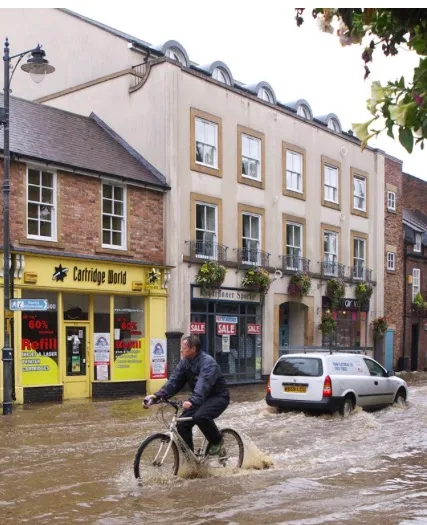
Torrential rainfall triggered severe flash flooding across Turkey’s largest city, Istanbul, leaving at least three people dead and four others missing as rescue teams navigate submerged streets and damaged infrastructure. The intense downpours, which struck earlier this week, overwhelmed local drainage systems, turning major roadways into rushing rivers and inundating residential basements, commercial districts, and public transit stations. Emergency services have deployed heavy machinery and rescue boats to evacuate stranded citizens, while local authorities urge residents to avoid non-essential travel as search and rescue operations continue.
The disaster highlights vulnerabilities inherent in modern urban environments facing extreme weather events. Experts note that urban flooding, or flash flooding, occurs when intense rainfall falls faster than the ground and drainage systems can absorb it. This risk is frequently exacerbated by human alterations to the landscape, including extensive paving, the removal of natural wetlands, and the modification of natural waterways. As cities expand rapidly without sufficient stormwater management upgrades, impervious surfaces prevent water infiltration, rapidly accelerating runoff and increasing the severity of sudden inundations.
Beyond local infrastructural challenges, the intensity of the Istanbul floods reflects broader global environmental shifts. Climate change has intensified the global water cycle, warming the atmosphere and increasing its capacity to hold moisture. This atmospheric shift drives more frequent and severe extreme weather phenomena, leading to heavier precipitation events within compressed timeframes. Scientists have repeatedly warned that Mediterranean and Eurasian regions are particularly susceptible to these erratic weather patterns, placing unprecedented stress on civil engineering defenses built for historical climate norms rather than contemporary extremes.
The Turkish government has faced mounting scrutiny over urban planning policies and the adequacy of stormwater infrastructure in accommodating rapid metropolitan growth. While municipal authorities have invested in flood control projects in recent years, critics argue that the pace of real estate development and concrete expansion has outstripped the capacity of municipal systems. As recovery efforts progress, urban planners emphasize the urgent need for climate-resilient civil engineering, which includes restoring natural floodplains, expanding permeable green spaces, and modernizing subterranean drainage networks to prevent future loss of life.
For the wider region and international supply chains, recurring climate-induced disasters in vital transcontinental hubs like Istanbul underscore the vulnerability of major economic nodes. As extreme weather events grow more frequent across the wider Eurasian and Mediterranean corridors, logistics networks, transit routes, and commercial operations face heightened risks of disruption. Strengthening urban resilience in critical geopolitical and economic crossroads is increasingly viewed as vital not only for local public safety, but also for maintaining the stability of regional trade and infrastructure networks that connect Europe and Asia.
Produced by our editorial team, with AI assistance in editing.

