
Fire in Lucca Apartment Building Kills Two, Injures Thirteen Residents
Two people were confirmed dead and 13 others injured after a blaze erupted in a four‑storey residential block on Via San Giovanni in Lucca on Tuesday after
Two people were confirmed dead and 13 others injured after a blaze erupted in a four‑storey residential block on Via San Giovanni in Lucca on Tuesday afternoon. Firefighters from the local brigade and emergency medical teams arrived within minutes, battling the flames for over two hours before bringing the inferno under control. The victims, identified as a married couple in their fifties, were taken to a nearby hospital where both later succumbed to their injuries; the remaining patients, ranging in age from 19 to 78, are receiving treatment for burns and smoke inhalation. Police have cordoned off the site and begun a preliminary investigation into the cause of the fire.
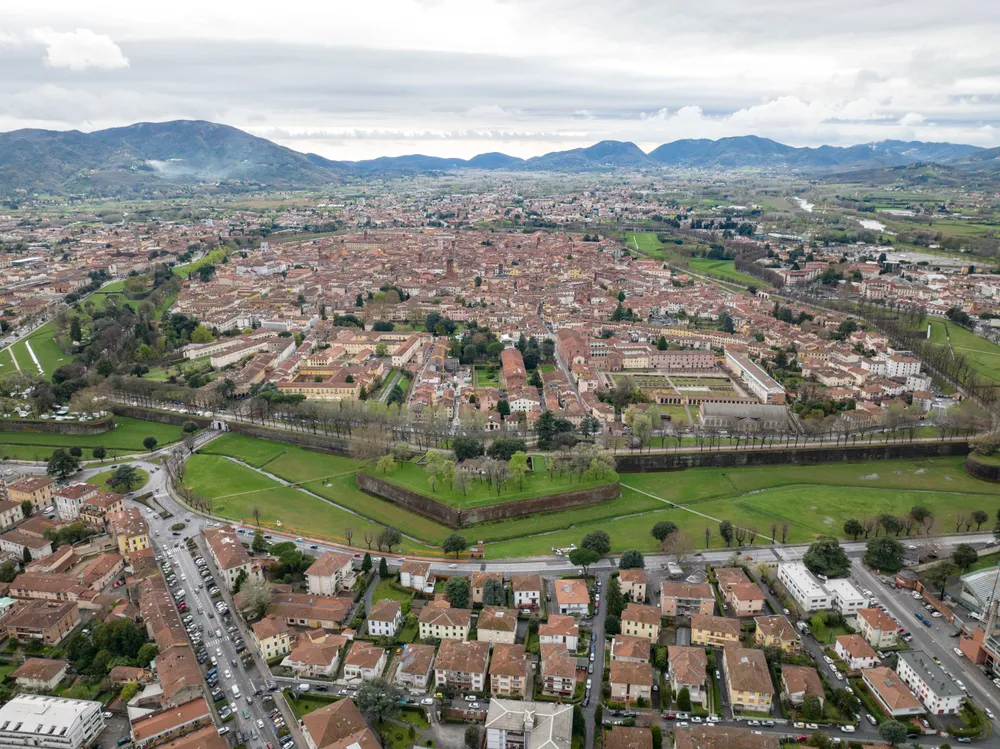
Lucca, a city of roughly 89,000 inhabitants in Tuscany’s fertile Serchio plain, is famed for its intact Renaissance walls, medieval towers and a historic centre that draws millions of tourists each year. The city’s cultural cachet, built around landmarks such as the 14th‑century Guinigi Tower and the Cathedral of San Martino, makes any disruption to its residential fabric a matter of public concern. Local officials, including Mayor Mario Ferrari, expressed condolences and pledged a thorough review of safety standards in older apartment blocks, noting that “the tragedy underscores the need to align historic buildings with modern fire‑prevention measures without compromising their heritage value.”
The fire brigade, led by chief Alessandro Bianchi, reported that the blaze likely started on the third floor, where a faulty electrical appliance was suspected to have ignited surrounding furniture. However, investigators from the Carabinieri’s forensic unit cautioned that the exact trigger remains “subject to further forensic analysis.” In the wake of the incident, the regional civil protection authority has ordered temporary evacuation of neighboring apartments and has dispatched additional rescue equipment to assist with the ongoing rescue and recovery operations. Residents have been offered temporary shelter in community centres, while the municipality has set up a hotline for families seeking information and assistance.
The incident has reignited a longstanding debate in Italy about the balance between preserving historic architecture and ensuring contemporary safety standards. Italy’s building codes, especially in UNESCO‑listed or culturally protected zones, often allow for exemptions that can delay the retrofitting of fire‑suppression systems, sprinkler installations or modern wiring. Critics argue that such leniencies place residents at risk, while preservationists contend that invasive upgrades could damage the aesthetic and structural integrity of centuries‑old edifices. The Lucca fire may prompt a reassessment of these exemptions, as regional authorities have already indicated they will accelerate inspections of similar structures throughout Tuscany.
While the tragedy is a local calamity, it carries broader implications for cities across Europe that grapple with the dual challenge of safeguarding historic urban cores and protecting inhabitants. The incident highlights the need for coordinated policies that integrate heritage conservation with rigorous fire‑safety protocols, a concern that resonates with EU directives on building safety and disaster resilience. As tourism remains a vital economic pillar for Lucca and comparable destinations, ensuring the safety of both residents and visitors is essential to sustaining the cultural and economic vitality of the region.
Produced by our editorial team, with AI assistance in editing.
