
Drone attack takes down Tigrai TV, TPLF seizes Erebti.
A drone attack on the headquarters of Tigrai Television in Mekelle, the capital of Ethiopia’s Tigray region, knocked the station offline early Tuesday, whi
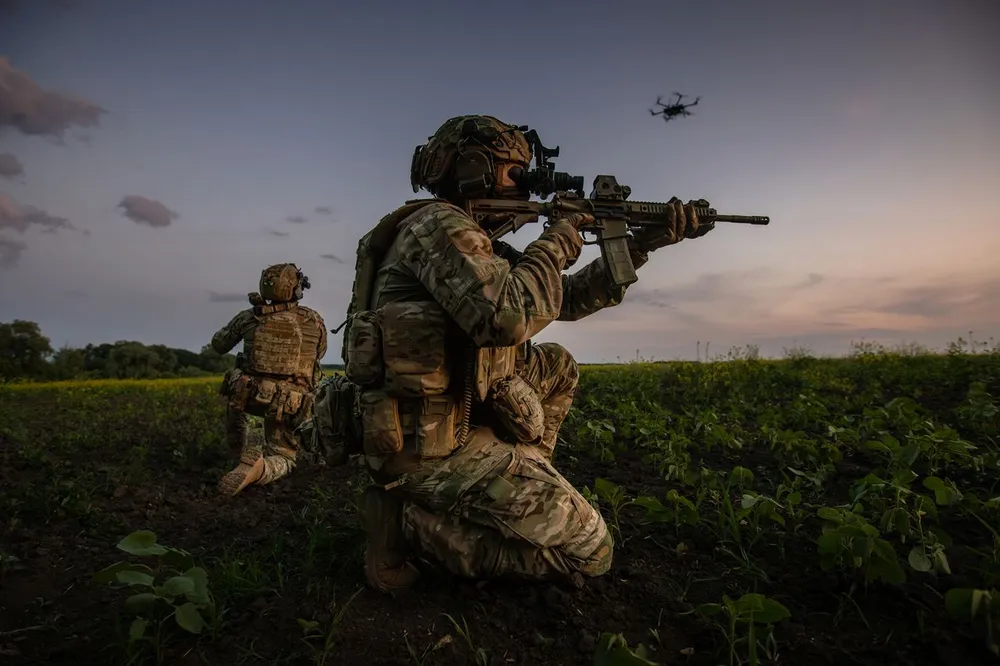
A drone attack on the headquarters of Tigrai Television in Mekelle, the capital of Ethiopia’s Tigray region, knocked the station offline early Tuesday, while the Tigray People’s Liberation Front (TPLF) pushed further into the Afar region, capturing the town of Erebti and advancing toward Afdera. The strike, reportedly carried out by a high‑altitude unmanned aerial vehicle, was the latest in a series of drone‑based operations that have become a hallmark of the decade‑long conflict that began in November 2020.
The Tigray war erupted when Ethiopia’s federal government, led by Prime Minister Abiy Ahmed, launched a military offensive against the TPLF after accusing the regional party of rebellion. The fighting has drawn in regional forces, sparked a humanitarian crisis, and attracted international scrutiny over alleged war crimes. In recent months the conflict has shifted from conventional ground battles to asymmetric tactics, with both sides deploying drones for surveillance, targeting, and even direct attacks. The Ethiopian Air Force has been documented using Israeli‑made drones, while the TPLF has reportedly acquired and operated commercial UAVs and even low‑cost armed drones supplied by local manufacturers.
The attack on Tigrai Television’s headquarters underscores the vulnerability of media infrastructure in conflict zones. The station, which has been a primary source of local news for Tigrayan citizens, was silenced for several hours, leaving a critical gap in real‑time reporting. This move has drawn criticism from human rights groups that argue the deliberate targeting of media outlets violates international norms on freedom of expression. The TPLF, which has positioned itself as a defender of Tigrayan rights, has denied responsibility for the strike, while Ethiopian officials have attributed it to a “terrorist” drone attack, citing the presence of hostile aircraft over Mekelle.
The capture of Erebti and the push toward Afdera further highlight the shifting front lines. Afar, a sparsely populated region that borders Eritrea and Djibouti, has strategic importance due to its proximity to key rail and oil routes. Control over towns like Erebti could grant the TPLF greater leverage over supply lines and a potential bargaining chip in any negotiated settlement. The advance also threatens to destabilize the Afar region’s fragile security environment, which has already been strained by inter‑ethnic tensions and limited state presence.
Drone warfare has emerged as a force multiplier that can reduce the need for human soldiers on the ground, but it also raises new challenges for international law and regional security. Nations in the Horn of Africa have begun to modernise their armed forces with unmanned systems, spurred by the perceived effectiveness of drones in the Tigray conflict. While Ethiopia has received military aid from countries such as the United States and China, the proliferation of drone technology across the region may embolden non‑state actors or create new avenues for illicit arms transfers.
For the wider region, the Tigray conflict—and the use of drones within it—has implications that extend beyond Ethiopia’s borders. The Horn of Africa is a critical node in global shipping lanes, and instability in Ethiopia could disrupt the flow of goods between the Gulf of Aden, the Red Sea, and the Mediterranean. Moreover, the conflict has already strained humanitarian aid corridors, affecting food security in neighboring Sudan, South Sudan, and Eritrea. The deployment of drones also signals to other African states that unmanned systems can be effectively integrated into both offensive and defensive operations, potentially accelerating a regional arms race.
In short, the drone strike on Tigrai Television and the TPLF’s territorial gains illustrate a new phase in the Ethiopian war where technology is reshaping tactics and stakes. The incident not only hampers information flow and raises human rights concerns but also signals a broader shift in how conflicts in the region may be fought. As Ethiopia’s stability remains a cornerstone of East African security, the international community must monitor how drone proliferation could alter the balance of power and the prospects for a lasting resolution.
Produced by our editorial team, with AI assistance in editing.
