
Drone attack on cattle market in Nyala kills 30, injures 47
Thirty civilians were killed and 47 others injured when a drone struck a cattle market in the town of Nyala, the capital of South Darfur, on Tuesday. The a
Thirty civilians were killed and 47 others injured when a drone struck a cattle market in the town of Nyala, the capital of South Darfur, on Tuesday. The attack, which occurred at approximately 10:15 a.m. local time, left the market in ruins and sparked an immediate outcry from both local residents and international humanitarian organisations.
The incident comes amid the long‑standing conflict that has plagued Darfur since the early 2000s. South Darfur has been a flashpoint between the Sudanese government’s armed forces and various rebel factions, including the Sudan Liberation Movement and the Justice and Equality Movement. Over the past decade the region has endured repeated cycles of violence, displacement and humanitarian crises. In recent months, reports suggest a resurgence of hostilities, with both sides accusing each other of targeting civilian infrastructure. The use of a drone in this latest attack raises questions about the evolving nature of the conflict, as well as the growing presence of unmanned aerial systems in African theatres.
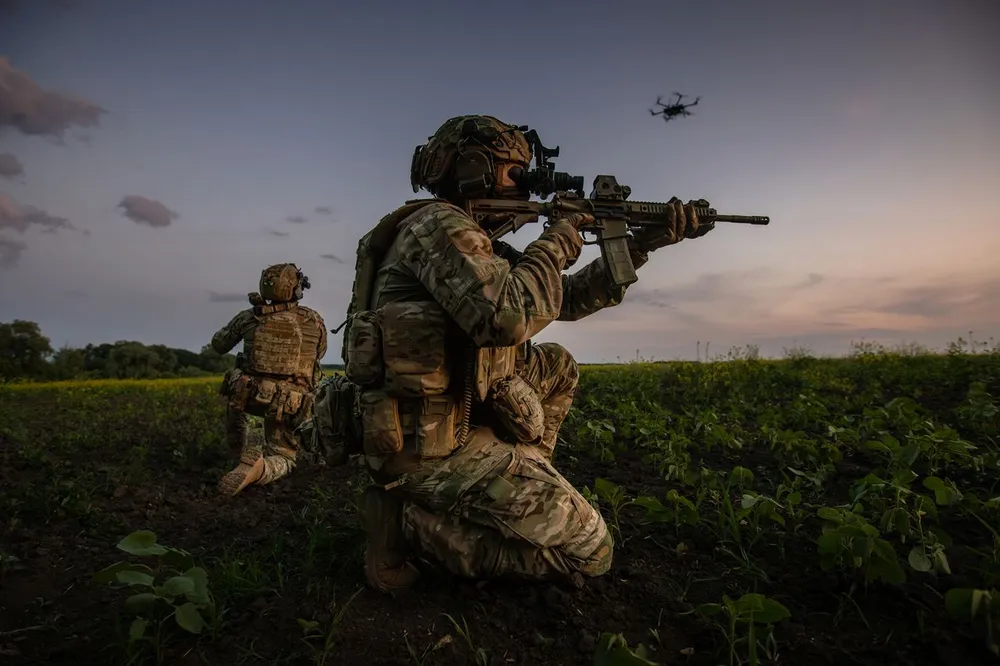
Drone warfare, also known as the use of unmanned systems in combat, has become a force multiplier for modern militaries. Unmanned combat aerial vehicles (UCAVs) and weaponised commercial drones can be remotely controlled or programmed to execute missions with varying degrees of autonomy. As of 2019, a wide array of nations—including the United States, Russia, China, Israel, Turkey, and several European states—operate operational UCAVs. In addition, smaller, man‑portable drones (SUAVs and MAVs) are increasingly being fielded for short‑range, low‑altitude support operations. These systems can conduct reconnaissance, deliver precision munitions, or serve in electronic warfare roles. The proliferation of such technology has lowered the threshold for deploying lethal force without risking the lives of personnel on the ground.
In the case of the Nyala strike, the identity of the operator remains unclear. Sudan’s government has denied involvement, while rebel groups have not claimed responsibility. Analysts note that both sides possess the technical capacity to employ drones, either through domestic development or the acquisition of foreign‑made platforms. The presence of a commercial or low‑cost UAV in the attack suggests that the drone may have been improvised or sourced from the black market, a common route for armed groups in the region. Regardless of the operator, the use of a drone to target a civilian market demonstrates a shift towards more lethal, remote tactics in the Darfur conflict.
The human toll of the attack is stark. Market workers, many of whom were women and children, were caught in the blast, while the destruction of livestock—an essential source of livelihood—has further destabilised the already fragile local economy. Humanitarian agencies operating in South Darfur have warned that such incidents could exacerbate food insecurity and trigger additional displacement. The United Nations Office for the Coordination of Humanitarian Affairs (OCHA) has called for an immediate ceasefire and an independent investigation into the use of unmanned weapons in civilian areas.
The broader implications of this incident extend beyond Sudan’s borders. The increasing accessibility of drone technology in Africa raises concerns about the potential for non‑state actors to acquire and deploy lethal autonomous systems. This trend could alter the balance of power in the region, complicate peacekeeping efforts, and heighten the risk of accidental or intentional civilian casualties. Moreover, the use of drones in densely populated areas challenges existing international humanitarian law, which requires distinction and proportionality in armed conflict. As global powers continue to develop and export unmanned systems, the international community faces a pressing need to establish clear norms and accountability mechanisms to prevent the weaponisation of drones against civilians.
In sum, the Nyala drone strike underscores the grim reality of modern warfare in Darfur, where civilian markets and livelihoods are increasingly exposed to lethal technology. The incident highlights the urgent necessity for comprehensive arms‑control measures, transparent accountability, and sustained humanitarian support to mitigate the cascading effects of such attacks on the region’s stability and development.
Produced by our editorial team, with AI assistance in editing.
