
Coordinated sabotage of railway tracks disrupts commuter trains across Netherlands.
Rail services across the northern and central regions of the Netherlands suffered widespread disruptions on Tuesday following a coordinated sabotage operat
Rail services across the northern and central regions of the Netherlands suffered widespread disruptions on Tuesday following a coordinated sabotage operation targeting the country’s critical transport infrastructure. According to state rail manager ProRail, unknown perpetrators attached metal and PVC pipes to railway tracks at multiple locations, systematically interfering with the electrical current and causing widespread failures in automated rail signaling systems. The deliberate tampering forced operators to halt or severely delay services during the peak morning commute, stranding thousands of passengers and creating cascading logistical bottlenecks across the Dutch transit network.
Authorities and infrastructure operators have launched a comprehensive forensic and security investigation to identify the perpetrators and determine the exact methodology behind the disruptions. While Dutch security agencies have not yet attributed the sabotage to a specific group or foreign actor, the precision of the attacks—targeting the sensitive electrical circuits that govern track safety and train separation—suggests a calculated effort to undermine national infrastructure. ProRail maintenance crews have been deployed across the affected corridors to clear the foreign objects, test signaling redundancies, and gradually restore operations safely.
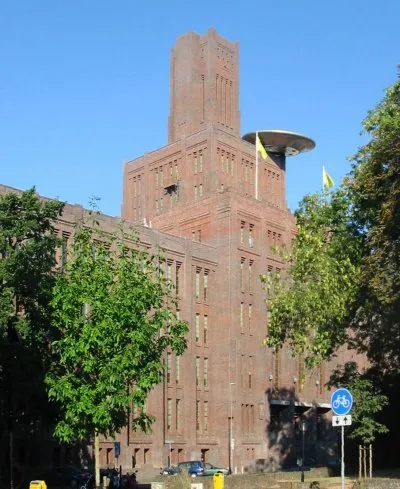
ProRail, a government-mandated organization operating under the umbrella of NS Railinfratrust, is responsible for the maintenance, capacity allocation, and traffic control of the national railway infrastructure, excluding municipal metro and tram systems. Headquartered in Utrecht inside the historic "De Inkwell" building, the agency oversees a densely utilized rail network that serves as a vital economic artery for the Netherlands. Tuesday's incident highlights the growing vulnerability of open European transport networks to low-tech, high-impact disruptions, prompting renewed calls from transport officials to enhance physical security and surveillance along thousands of kilometers of track.
The sabotage of Dutch rail infrastructure carries broader implications for supply chain resilience and critical infrastructure protection across Western Europe. As European nations increasingly fortify their digital and physical networks against hybrid threats, incidents in the Netherlands underscore the challenge of securing vast, decentralized public utilities against targeted sabotage. For the broader region, ensuring the security of high-density European transit corridors remains essential for maintaining cross-border commerce, labor mobility, and regional stability.
Produced by our editorial team, with AI assistance in editing.
