
Bangladesh Rohingya refugee camp landslide kills nine, injures dozens.
A landslide at a Rohingya refugee camp in Cox’s Bazar, Bangladesh, has killed at least nine people, including children, and left dozens injured. The disast
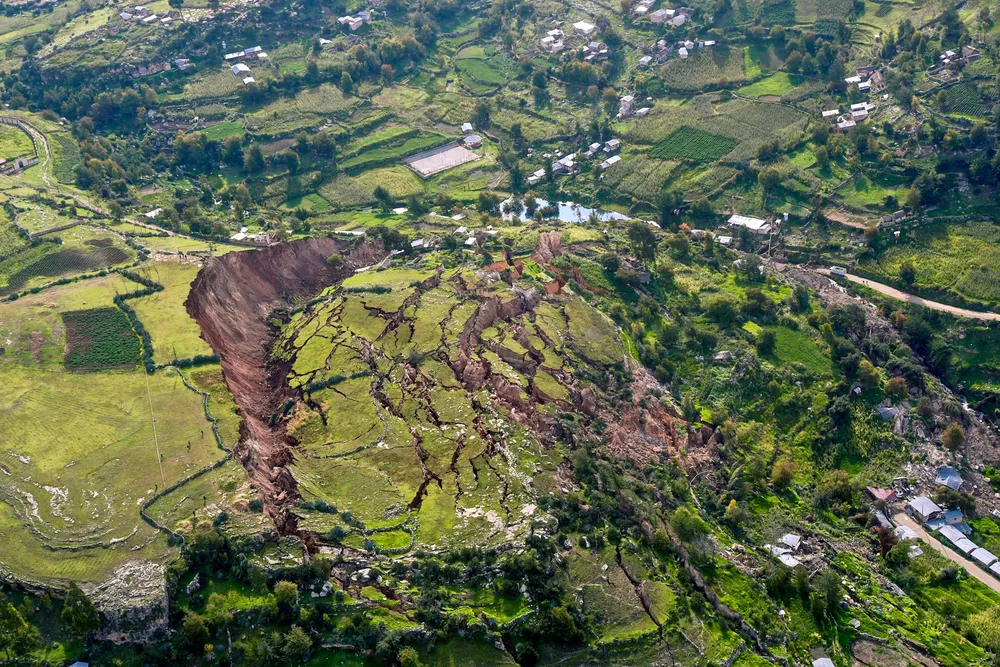
A landslide at a Rohingya refugee camp in Cox’s Bazar, Bangladesh, has killed at least nine people, including children, and left dozens injured. The disaster has displaced many residents and severely disrupted their livelihoods.
Landslides are geological hazards that occur when the ground moves, often involving rock falls, debris flows, or slope instability. They can happen in a variety of settings—from mountainous regions to coastal cliffs and even underwater. Gravity is the primary driver, but slope angle, geological structure, and hydrological conditions also influence stability. Specific triggers such as heavy rain, earthquakes, or road construction can initiate a landslide, though sometimes the cause remains unclear.
Human activities can amplify the risk of landslides. Urban expansion, mining, and deforestation degrade land and reduce vegetation that helps stabilize soil. Climate change and global warming also increase the frequency and intensity of such events. Consequently, landslides are complex natural disasters that require integrated consideration of geology, weather, ecology, and human impact.
The incident underscores the severe challenges faced by Rohingya refugees. The Rohingya, a minority group from Myanmar, have suffered persecution and violence, forcing hundreds of thousands to flee to Bangladesh. Conditions in the camps are harsh, with inadequate housing, limited sanitation, and ongoing threats of disease, hunger, and insecurity. The landslide has further exacerbated their plight, highlighting the urgent need for international assistance and support.
The Bangladeshi government and international organizations are working to mitigate the landslide’s impact by providing emergency aid and disaster relief. However, long‑term solutions require broader efforts, including improved treatment of Rohingya by the Myanmar government, the creation of a safe and equitable environment, and sustained international backing and assistance.
For Taiwan, the event illustrates the global reach of climate change and natural disasters. As an island nation, Taiwan faces similar climatic and disaster risks and must strengthen its disaster prevention and mitigation efforts. The incident also calls attention to the global refugee crisis, urging Taiwan to continue offering humanitarian aid and support. Taiwan can further collaborate with the international community on climate change and sustainable development to address shared challenges and promote human welfare and security.
Produced by our editorial team, with AI assistance in editing.
