
Valle dei Templi
Italy · Europe
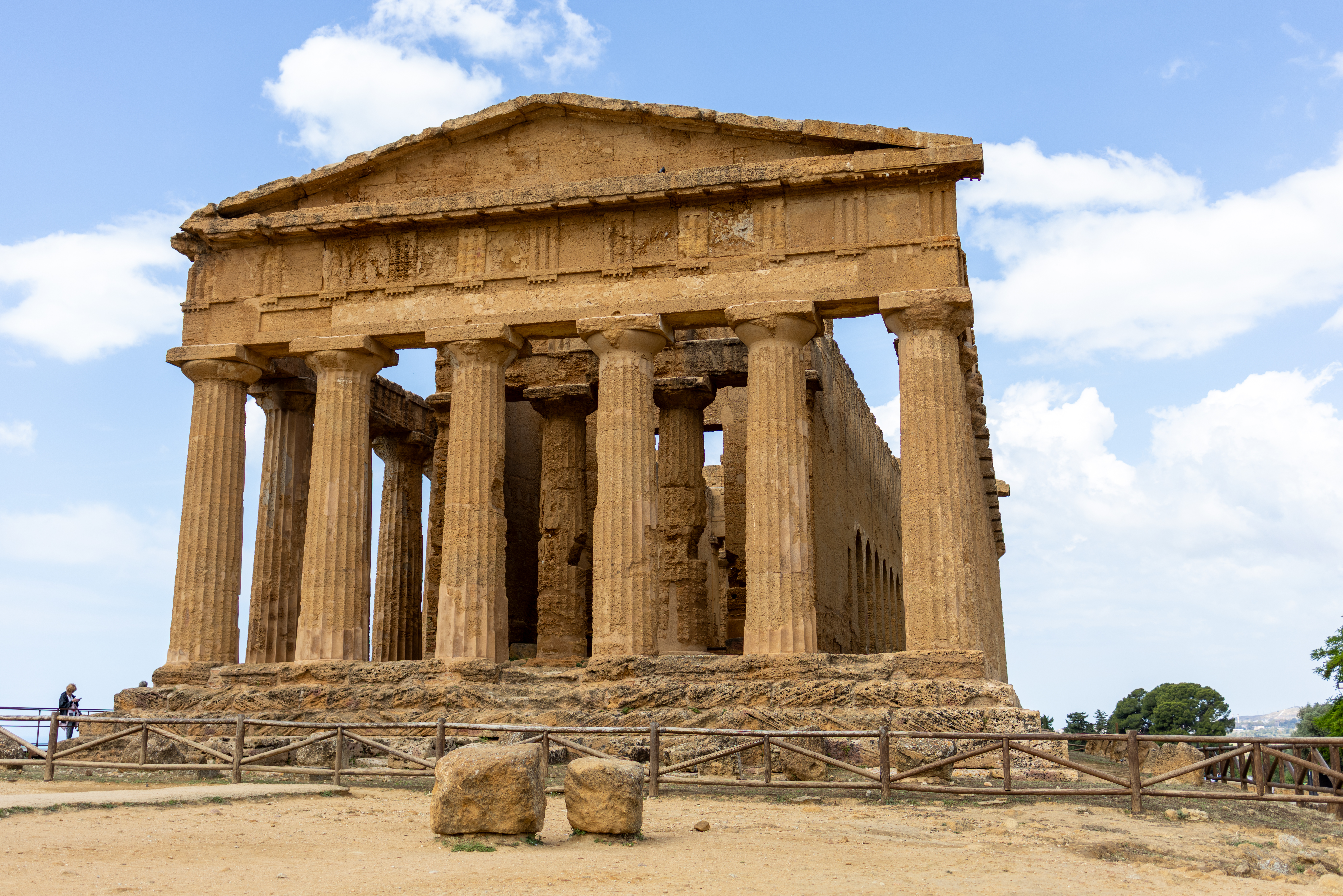
About Valle dei Templi
Valley of the Temples (Italian: Valle dei Templi) is one of the most important archaeological sites in Sicily and a major UNESCO World Heritage Site. Located just outside the city of Agrigento, this vast park preserves the remains of the ancient Greek city of Akragas, once one of the leading cities of Magna Graecia. The site is best known for its remarkably well-preserved Doric temples, dramatic hilltop setting, and sweeping views of the Sicilian countryside.
Visitors can walk through olive groves and almond orchards while exploring monumental temples dedicated to deities such as Concordia, Hera, and Zeus. The Temple of Concordia is one of the best-preserved ancient Greek temples in the world. The site also includes Roman ruins, early Christian burial grounds, and a museum. It's a must-see destination for lovers of classical history, architecture, and Sicilian heritage.
Valle dei Templi travel guide
Understand
Despite its name, the Valley of the Temples is not located in a valley but along a ridge south of modern Agrigento. The term valley refers more to the surrounding landscape, which enhances the scenic majesty of the ruins. The ancient city of Akragas was founded around 580 BC by settlers from Gela, who were themselves of Rhodian and Cretan origin. Akragas quickly rose to prominence and wealth, reaching its peak in the 5th century BC under the rule of tyrants like Theron. Many of the temples were built during this golden era, showcasing the city's prosperity and devotion to the Olympian gods. The city eventually fell under Carthaginian control, then Roman rule in 210 BC, when it was renamed Agrigentum. Over centuries, earthquakes, wars, and reuse of stone caused much of the site to fall into ruin. However, several temples — most notably the Temple of Concordia — survived and remain striking examples of ancient Greek architecture. In 1997, the Valley of the Temples was inscribed as a UNESCO World Heritage Site for its outstanding testimony to Greek civilisation and its architectural and artistic influence across the Mediterranean. Today, the archaeological park spans over 1,300 hectares, and includes the temples, ancient city walls, necropolises, sanctuaries, and the excellent Pietro Griffo Regional Archaeological Museum.
Getting there
The Valley of the Temples is just outside the city of Agrigento, on the southern coast of Sicily. The main entrance is about 3 km from the city centre.
By car: Follow signs from Agrigento or the SS115 coastal highway. Free and paid parking lots are available near the Temple of Hera and Porta V. By bus: Local buses (Lines 1, 2, or 3) run frequently from Agrigento’s central station and Piazza Rosselli to the archaeological site’s entrances. By taxi: Taxis and guided transfers from Agrigento or nearby towns can be arranged, especially convenient during summer or late-night visits. The site has two main entrances: the 1 Temple of Hera entrance, and the 2 Porta V entrance. Both offer ticket offices, parking, and shuttle service.
Getting around
The archaeological park covers a large, mostly open-air area of about 1,300 hectares, so comfortable walking shoes are essential. A paved pedestrian route (about 2.5 km) connects the eastern and western zones, with optional shuttle buses available between major entrances.
Accessibility: The main path is generally flat and accessible, with ramps and adapted restrooms available. However, some ancient structures and side paths involve uneven ground or steps, so visitors with mobility concerns may wish to stick to the central route or inquire about the site's electric shuttle service. Electric shuttles and guided tours: Hop-on/hop-off electric shuttles are available for a small fee. Guided walking or e-bike tours can be booked in advance or on-site for a more in-depth experience.
See
1 Temple of the Dioscuri (Castor & Pollux) (Temple of Castor and Pollux). Accessible freely as part of the archaeological park. This small Doric temple is recognisable by its four reconstructed column, reassembled in the 19th century using architectural fragments from across the site. Built as a peripteral 6 × 13-column temple from the mid-5th century BC, it stood in honour of the Dioscuri, though some scholars argue it may have been dedicated to chthonic deities. A symbolic entry point to the Valley, it’s often the first temple visitors see after entering via Porta V. Included with general park admission. 2 Temple of Hephaestus (Vulcan) (Tempio di Efesto / Vulcano). Standing at the western end of the Valley, this ruined Doric temple dates from the late 5th century BCE and was likely dedicated to Hephaestus, the Greek god of fire and metalworking (known to the Romans as Vulcan). Only fragments remain today—two columns and part of the stylobate—but its elevated position offers a fine view across the surrounding countryside. It once had 6×13 columns and a central cella, and sits near the entrance to the Kolymbethra Garden. 3 Temple of Olympian Zeus (Tempio di Zeus Olimpico). Begun after the Battle of Himera in 480 BC, this was intended to be the largest Doric temple ever built. Though never completed and now mostly collapsed, its immense base (56 × 113 m) hints at its original scale. The temple was unusual in having giant male figures, called telamones or atlases, integrated into its structure as support columns. Fragments of one 7.6 m-tall-figure lie nearby. Destroyed by earthquakes and later used as a stone quarry, it remains an impressive and evocative ruin.
4 Temple of Heracles (Tempio di Eracle / Herakles). Believed to be the oldest temple in the Valley, this Doric temple was likely dedicated to Heracles (Hercules), one of the most venerated deities in Agrigento. Dating to the late 6th century BCE, it originally had 6×15 columns. Today, eight impressive colum
Do
1 Kolymbethra Garden (Giardino della Kolymbethra) (FAI Garden in the Valley of the Temples). Step into a lush, fragrant oasis beneath the temples: restored by FAI and spanning about 5 ha within the archaeological park. Wander citrus groves, almond‑olive terraces, and Mediterranean scrub nourished by ancient aqueducts. Guided tours of the underground hypogea (aqueduct chambers) are available by reservation. A sensory, historical, and botanical highlight a short walk from the Temple of the Dioscuri.
Buy
1 Souvenir di Sicilia (Souvenir shop at Valley of the Temples entrance). Sitting beside the western Porta V entrance/ticket office, this shop offers high-quality postcards, guidebooks, replicas of temple columns, and other Valley-themed souvenirs produced by local artisans.
Eat
There is a small café near the main entrances to the archaeological park where you can grab a light meal, snacks, or a coffee. Outside the park, especially along Via Passeggiata Archeologica and near the Porta Aurea entrance, several trattorias and restaurants serve local Sicilian cuisine, including pasta alla norma, arancini, and fresh seafood. For a wider selection, head into central Agrigento nearby.
Drink & nightlife
While there are limited options within the park, cold drinks, coffee, and granita are available at kiosks and the onsite café. In warmer months, staying hydrated is importan: bring water or refill bottles at the public fountains. Agrigento’s cafés and wine bars offer a more relaxed place to unwind after your visit.
Sleep
There are no accommodations in the Valley of the Temples, but nearby Agrigento offers a wide range of options, including boutique hotels, family-run B&Bs, and larger resorts. Some countryside agriturismi also offer tranquil stays in olive groves or vineyards just minutes away from the park.
Go next
Scala dei Turchi – A dramatic white cliff formation just west of Agrigento, offering scenic views and beach access. Sambuca di Sicilia – A charming hill town in the Belice Valley, known for its Arab heritage and local wines. Torre Salsa Nature Reserve – A coastal WWF-protected area with quiet beaches and hiking paths, perfect for nature lovers.
Overview adapted from Wikipedia, travel guide fromWikivoyage (CC BY-SA). Photography via Wikimedia Commons.