
Karachi six‑story building collapses, 4 dead, 14 injured, 17 trapped.
A severe building collapse occurred in Karachi, Pakistan, on local time, when a six‑storey residential block in the city suddenly gave way. Authorities hav
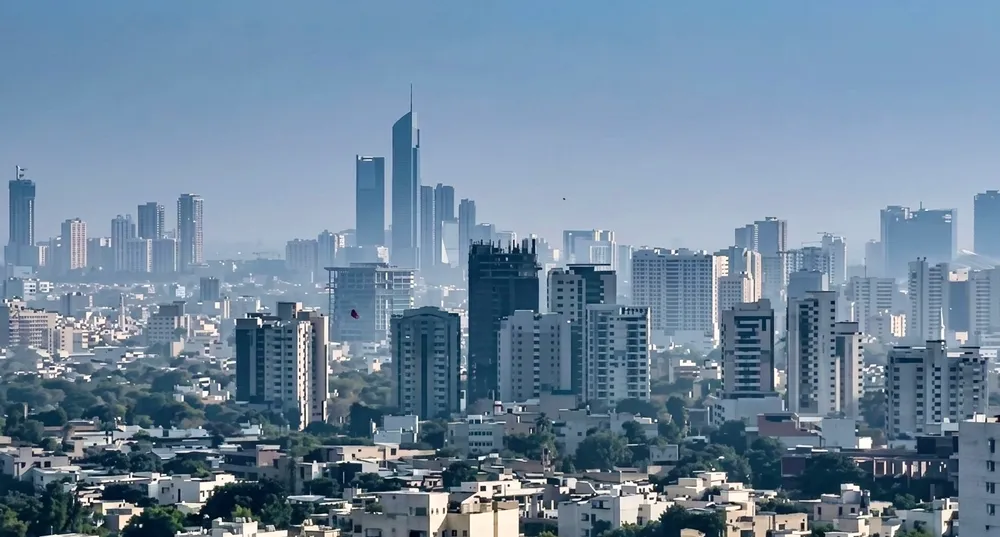
A severe building collapse occurred in Karachi, Pakistan, on local time, when a six‑storey residential block in the city suddenly gave way. Authorities have confirmed at least four fatalities and 14 injuries, while approximately 17 people remain trapped under the rubble with their fate uncertain. Local rescue teams and security forces were alerted to the incident and rushed to the scene, where they are conducting intensive search‑and‑rescue operations in hopes of extracting additional survivors within the critical golden hour.
Karachi, Pakistan’s largest city and economic hub, also serves as the capital of the province of Sindh. With a population exceeding 20 million, the coastal metropolis on the Arabian Sea is the nation’s most culturally diverse and internationally oriented urban centre. However, rapid population growth and concentrated economic activity have placed long‑standing pressures on urban governance, and the expansion of infrastructure has often lagged behind the demand generated by the burgeoning populace.
The collapse highlights structural vulnerabilities that accompany swift urbanisation across South Asia. In many developing‑country megacities, ageing buildings suffer from inadequate maintenance, illegal extensions, and weak enforcement of building codes, making safety incidents commonplace. Experts note that private developers frequently bypass official inspections or use substandard materials in pursuit of maximum profit, while limited regulatory capacity at the municipal level allows such practices to persist, resulting in recurring building‑failure tragedies.
Karachi officials are presently focusing on rescuing the trapped residents while simultaneously investigating the precise cause of the collapse. As casualty numbers could rise, the incident is expected to reignite vigorous public debate in Pakistan over urban building safety, the crackdown on illegal constructions, and the implementation of public‑safety regulations. Calls are mounting for the government to conduct a thorough review of residential safety risks in older neighbourhoods.
For Taiwan, this type of public‑safety disaster in a large metropolitan area underscores the challenges of managing rapid urbanisation alongside ageing building stock. Although Pakistan’s construction regulations and political‑economic context differ markedly from Taiwan’s, the island also confronts issues such as the renewal of old urban structures, seismic retrofitting of historic houses, and floor‑area ratio management. From an international news perspective, attention to the Karachi building collapse not only sheds light on the governance difficulties faced by South Asian nations but also serves as a reminder of the critical importance of urban disaster preparedness and the enforcement of building‑safety standards worldwide.
Produced by our editorial team, with AI assistance in editing.