
Armed Gunmen Kill Thirty Civilians and Burn Homes in Central Nigeria Raid
Thirty civilians were killed and dozens of homes burned by armed gunmen in Niger State, central Nigeria, in a violent raid that unfolded on the evening of
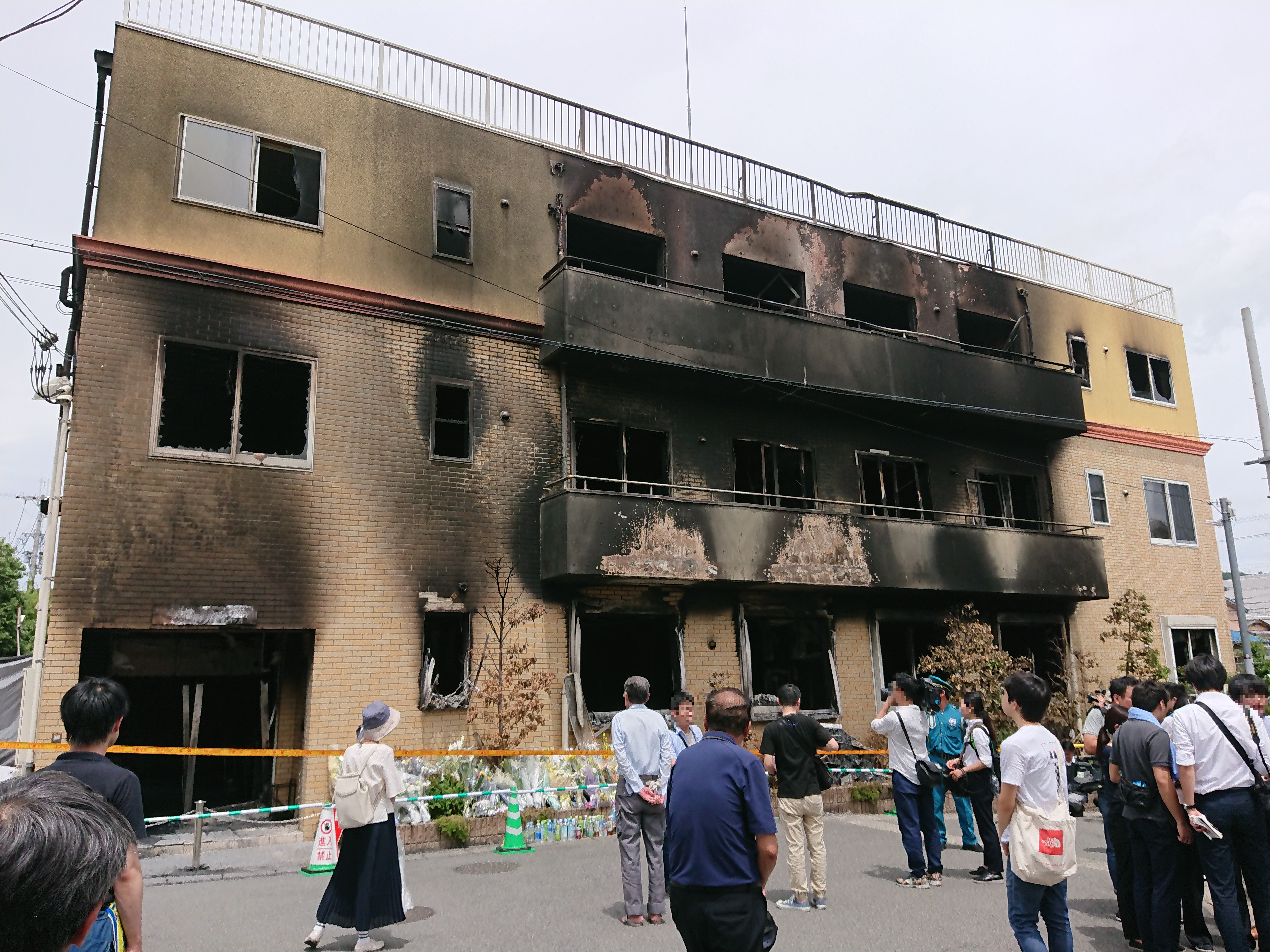
Thirty civilians were killed and dozens of homes burned by armed gunmen in Niger State, central Nigeria, in a violent raid that unfolded on the evening of Monday, 27 April. The attack, which targeted a cluster of villages near the Niger River, left a trail of destruction and forced dozens more residents to flee into the surrounding forest. Local authorities confirmed that the assailants entered the settlements in motor vehicles, fired indiscriminately, and set the houses on fire before retreating toward the border with Benue State.
Niger State has been a frontline in Nigeria’s long‑running insurgency that began in the early 2000s with the emergence of Boko Haram and later the splinter group Islamic State West Africa Province (ISWAP). Over the past decade the region has seen a steady rise in sporadic attacks, ambushes, and property destruction, often driven by the insurgents’ desire to undermine government authority and disrupt local economies. In recent months the Nigerian army and allied security agencies have intensified operations in the area, claiming to have captured or killed dozens of insurgents in neighboring states. Yet the violence has not abated; instead, incidents like the 27‑April raid highlight the persistent reach of armed groups and the vulnerability of rural communities.
The gunmen’s motives remain unclear, but analysts suggest the assault was part of a broader campaign to destabilize the region and intimidate the civilian population. “The pattern of attacks in Niger State points to an insurgent strategy aimed at eroding trust in the government’s ability to provide security,” said Dr. Amina N. Yusuf, a security studies professor at Ahmadu Bello University. “When civilians are caught in the crossfire, it fuels a cycle of resentment and can push people to support, or at least tolerate, extremist groups.”
The Nigerian government has condemned the violence and pledged to investigate the incident. Interior Minister Yemi Osinbajo ordered a joint task force to search for the attackers and to provide humanitarian assistance to the displaced families. “We are determined to bring those responsible to justice and restore peace in our communities,” he said in a statement released by the ministry. Meanwhile, local security officials have called for increased patrols and the deployment of additional troops to the affected areas. The army’s spokesperson, Lt. Col. Ibrahim M. K., emphasized that “our priority is to protect civilians and dismantle the insurgent networks that threaten national security.”
On the ground, survivors describe a scene of chaos and fear. “We heard gunshots and then flames. Our houses were taken apart,” said one resident, who asked to remain anonymous. “We had no warning, and now we have nowhere to go.” Humanitarian agencies that have been operating in the region, such as the United Nations High Commissioner for Refugees and Médecins Sans Frontières, have already begun to assess the damage and plan relief efforts. They warn that the destruction of homes and infrastructure could lead to a prolonged displacement crisis, especially as the rainy season approaches.
The attack’s impact extends beyond the immediate loss of life and property. Niger State’s economy is heavily reliant on agriculture, with many families depending on subsistence farming and livestock rearing. The loss of homes and farmland disrupts food production, potentially exacerbating food insecurity in an already vulnerable region. Moreover, the incident underscores the fragility of supply chains that cross Nigeria’s interior, which are vital for transporting goods to major markets in Lagos and Abuja. Any interruption can ripple across the national economy and, by extension, affect regional trade flows that include neighboring West African states.
While the violence in Niger State does not directly involve Taiwan, it serves as a reminder of the broader security challenges that can arise in regions with complex insurgent dynamics. For global markets, including those linked to Taiwan’s semiconductor supply chains, instability in West Africa can influence logistics, insurance costs, and the stability of international shipping routes. The incident also highlights the importance of robust international cooperation in counter‑terrorism efforts and humanitarian assistance, reinforcing the need for continued engagement from the global community to address the root causes of such violence.
Produced by our editorial team, with AI assistance in editing.