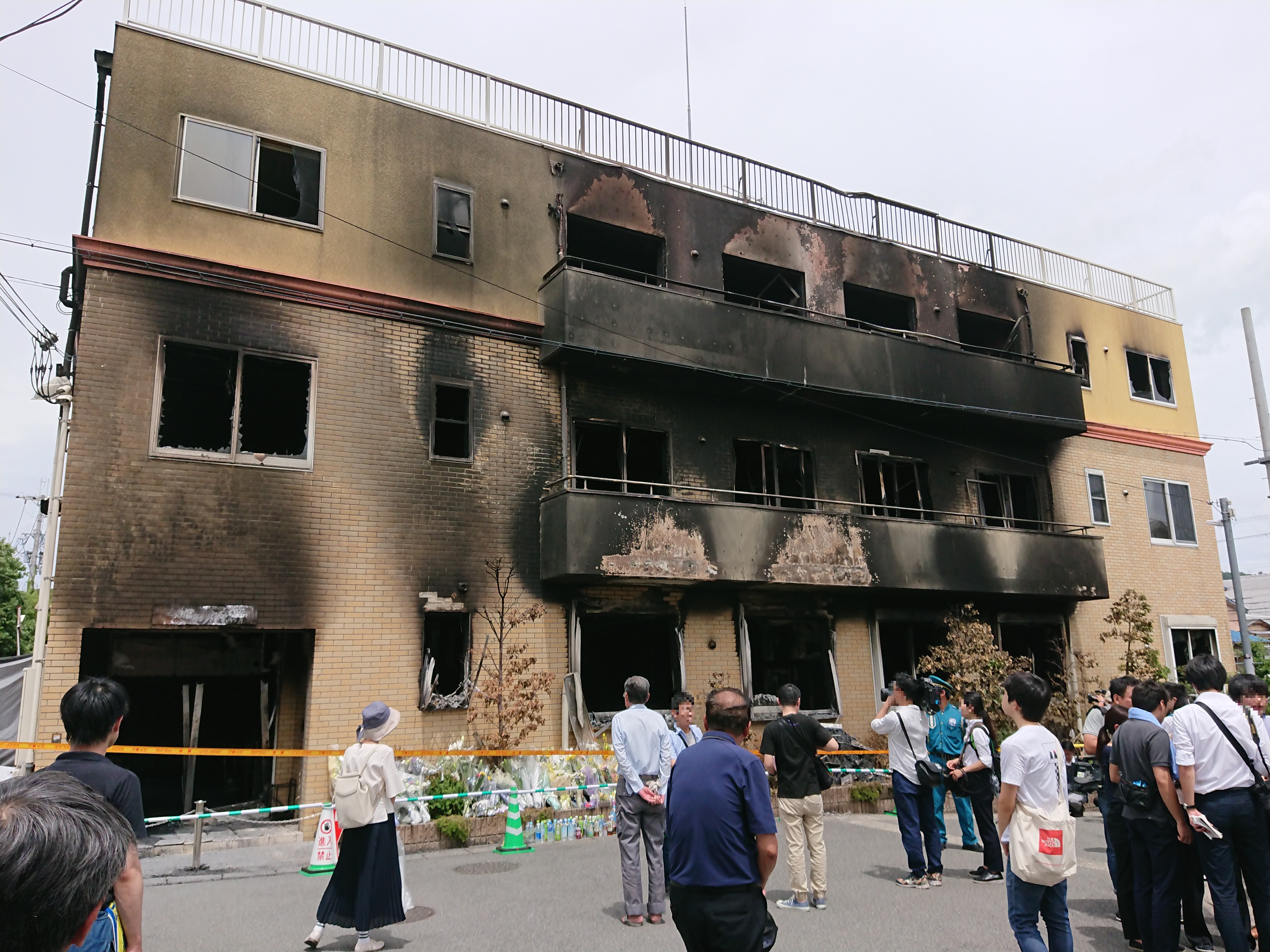
Niger National Guard compound attacked, 13 soldiers killed, 20 wounded.
In the early hours of Monday, a compound belonging to the National Guard in Sanam, Niger, was the target of a coordinated armed attack that left 13 soldier
In the early hours of Monday, a compound belonging to the National Guard in Sanam, Niger, was the target of a coordinated armed attack that left 13 soldiers dead and 20 wounded. The assailants, whose identities and motives remain unclear, were reportedly killed during a firefight that followed the initial assault. The incident, which unfolded in the Sahel region of West Africa, has intensified concerns about the growing insecurity that threatens the fragile stability of Niger and its neighbors.
The National Guard of Niger, a paramilitary force tasked with internal security and border protection, has been increasingly called upon to counter a range of threats that have escalated over the past decade. Since 2017, the country has faced a surge in jihadist activity from groups affiliated with Al‑Qaeda and the Islamic State, as well as a rising tide of criminal gangs involved in smuggling and kidnapping. In response, the Nigerien government has expanded the role of the National Guard, deploying its units to remote outposts and along the borders with Mali, Burkina Faso, and Nigeria. The Sanam compound, situated in a strategically important area of the Tillabéri region, serves as a hub for intelligence gathering and rapid deployment of forces to the front lines of the Sahel conflict.
While the perpetrators of the Sanam attack remain unidentified, the pattern of violence bears resemblance to the tactics employed by insurgent groups that have carried out similar assaults on government and security installations in the region. In recent months, there have been multiple incidents involving ambushes, bombings, and targeted killings of police and military personnel across Niger. Some analysts suggest that the attack could be part of a broader campaign aimed at undermining state authority and exploiting the country’s porous borders to facilitate illicit trafficking.
The government’s response to the incident has been swift. President Mohamed Bazoum condemned the attack as “a cowardly act against the men who defend the nation” and ordered a nationwide investigation. Security forces reportedly intensified patrols in the surrounding area and set up checkpoints to intercept any further attempts by hostile actors. The incident also prompted a temporary suspension of civilian movement in the Sanam district while authorities conducted forensic examinations of the site and reviewed intelligence reports for potential threats.
Internationally, the attack has drawn attention from regional and global partners that have vested interests in the Sahel’s stability. The United Nations Multidimensional Integrated Stabilization Mission in Niger (MINUSN), which has been deployed to support the country’s security sector reforms, has issued a statement reaffirming its commitment to protecting all personnel on the ground. Meanwhile, the European Union’s External Action Service has urged member states to remain vigilant and to support Niger’s efforts to counter terrorism and organized crime.
The incident underscores the precarious nature of security in the Sahel, where fragile governance structures, economic hardship, and the proliferation of small arms create fertile ground for extremist and criminal actors. For Niger, the loss of 13 National Guard soldiers represents not only a tragic human cost but also a blow to the operational capacity of a force that has been pivotal in countering insurgent incursions. Moreover, the attack highlights the urgent need for enhanced intelligence sharing, better border control mechanisms, and sustained investment in local security institutions. As the Sahel continues to grapple with an evolving threat landscape, incidents such as the Sanam assault serve as stark reminders that the fight against violence and instability remains far from over.
Produced by our editorial team, with AI assistance in editing.