
Flash Flood at Illegal West Java Gold Mine Kills Nine, 17 Missing
At least nine people have been killed and 17 others remain missing following a severe flash flood in Bogor, West Java, triggered by a swollen river that to
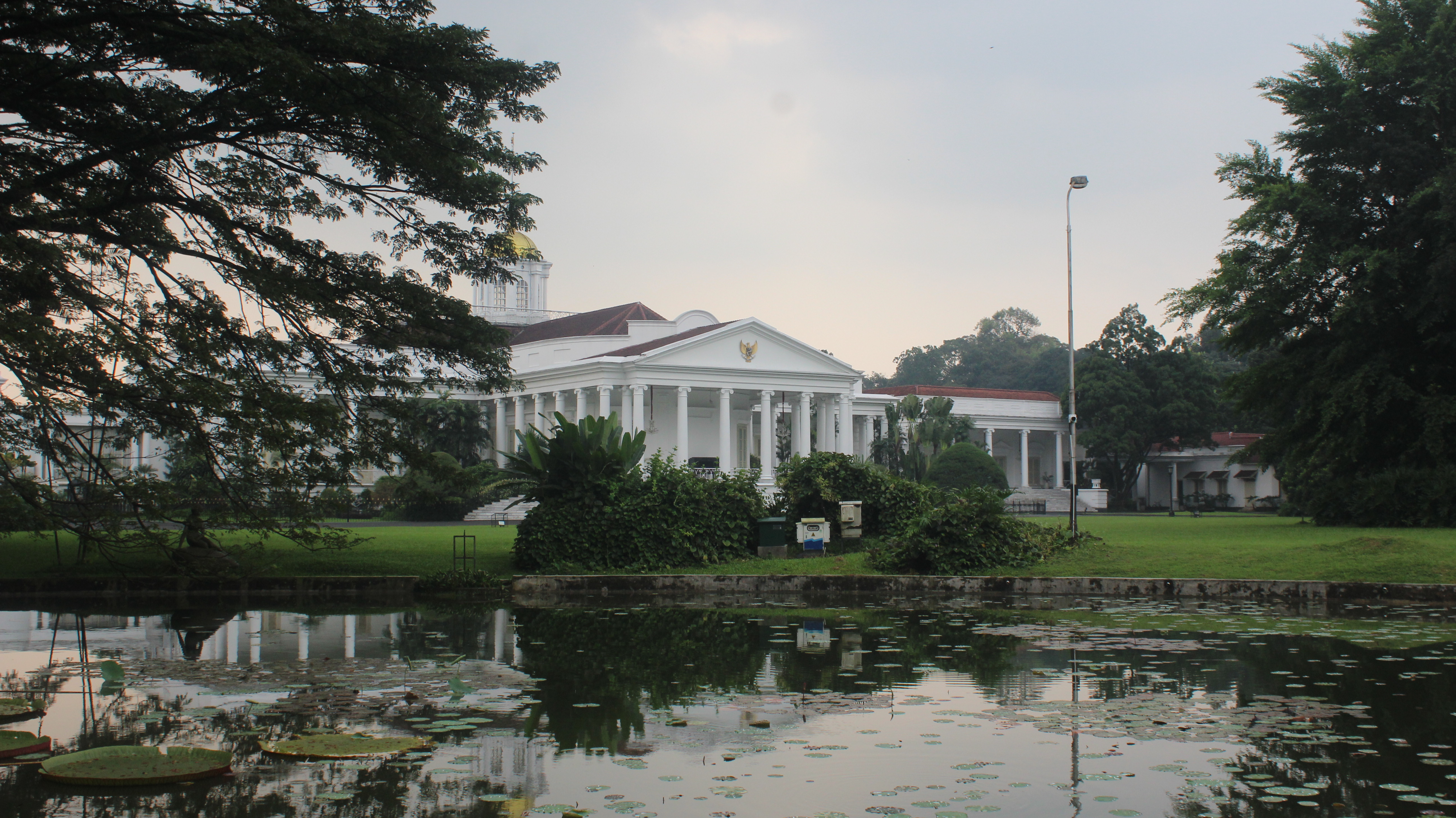
At least nine people have been killed and 17 others remain missing following a severe flash flood in Bogor, West Java, triggered by a swollen river that tore through an illegal gold mining operation. Local rescue authorities and emergency services deployed teams to the remote mountainous site, navigating hazardous terrain and unstable mudflows to search for survivors. The disaster underscores the persistent dangers of unregulated mining activities in Indonesia's upland regions, where extreme weather events frequently trigger catastrophic landslides and river surges.
The incident occurred in the highlands of Bogor, a densely populated and topographically complex regency located roughly 53 kilometers south of the national capital, Jakarta. Known for its mountainous terrain and high annual rainfall, the region is a critical ecological buffer for the sprawling Jakarta metropolitan area. However, the combination of steep slopes, heavy tropical downpours, and human interference has made the area highly susceptible to environmental disasters.
Unregulated and illegal mining operations have long plagued West Java, operating outside the purview of environmental safety regulations and labor standards. These makeshift sites frequently utilize hydraulic mining and tunneling methods that destabilize riverbanks and mountainsides. When torrential rains swell local waterways, the compromised terrain often gives way without warning, trapping workers in deep shafts or sweeping them away in torrents of mud and debris. Local officials and environmental groups have repeatedly warned about the dangers posed by these illicit ventures, yet enforcement remains difficult due to the remote locations and the economic desperation driving local communities to participate.
In the wake of the disaster, Indonesian disaster management agencies have ramped up search and rescue efforts, utilizing sniffer dogs and heavy equipment where accessible, though many areas remain reachable only on foot. Government officials face renewed pressure to crack down on illegal mining networks that operate with impunity across the archipelago. Beyond the immediate human toll, these illicit operations inflict severe long-term damage on local ecosystems, contaminating river systems with heavy metals and exacerbating soil erosion across West Java’s vital watersheds.
For the wider Indo-Pacific region, the tragedy highlights the acute vulnerabilities Southeast Asian nations face at the intersection of climate volatility, weak regulatory enforcement, and rural poverty. As extreme weather events become more frequent and severe across the tropics, disasters in resource-rich but loosely governed areas demonstrate the urgent need for enhanced environmental monitoring, stricter enforcement of natural resource laws, and sustainable economic alternatives for communities reliant on environmentally destructive livelihoods.
Produced by our editorial team, with AI assistance in editing.