
Inca Highlands
Itinerary
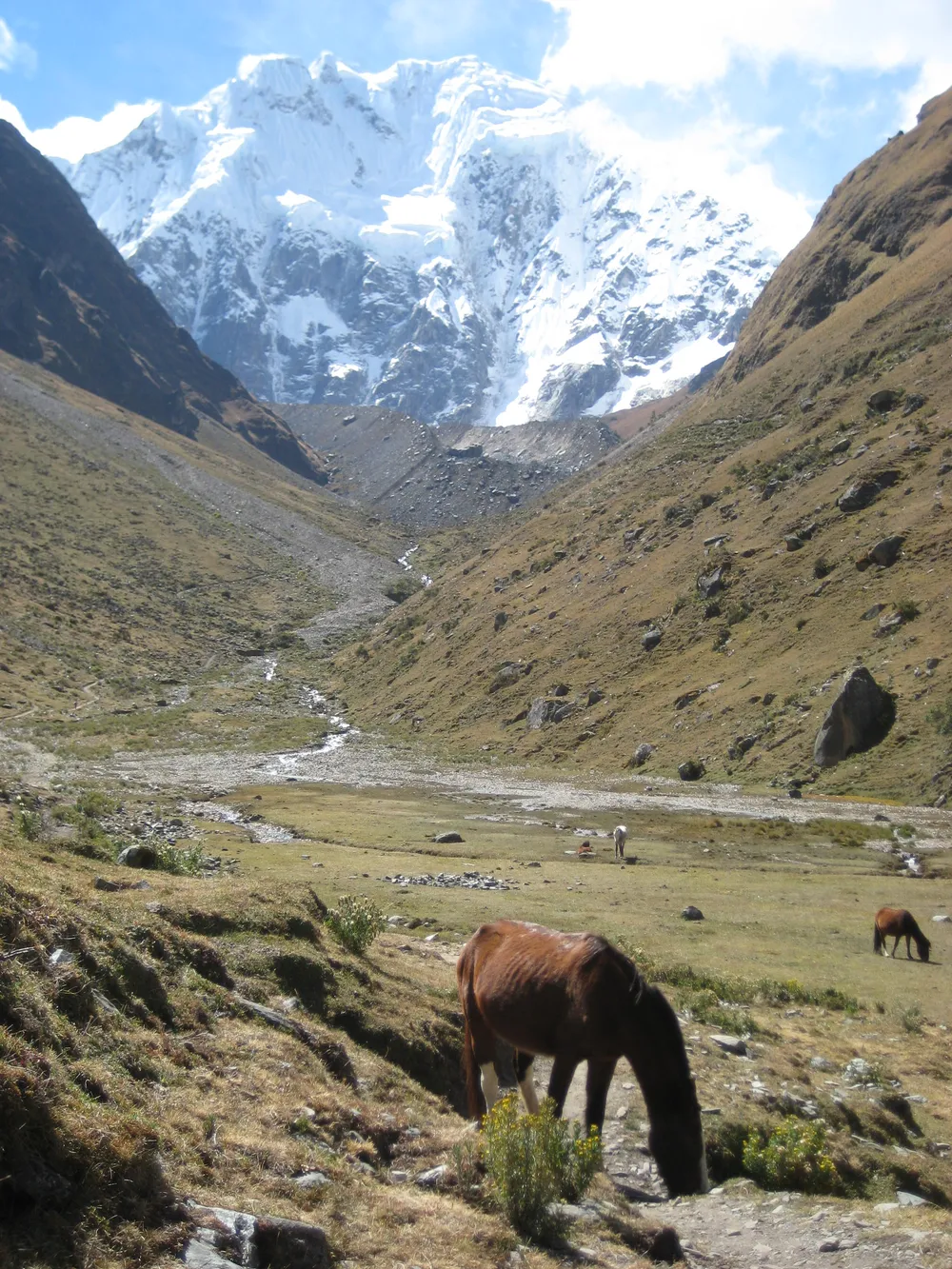
The Inca Highlands, the center of Inca civilization in Peru, features numerous attractions, notably the world-famous Machu Picchu (the "Lost City of the Incas") and the Inca Trail which leads to it. There are numerous other attractions in and around the city of Cusco (the Inca capital) and the neighboring Sacred Valley, and many treks and adventure sports in the surrounding mountains and valleys.
Understand
Cusco was the capital of the Inca Empire, and the area is the center of Inca culture, of which the most popular destination is Machu Picchu and the most popular trek is the Inca Trail. However, there are many other sights and activities in the area, and Cusco itself is full of culture: once up there, there's a lot to explore. It's unique and distant: this is a classic once-in-a-lifetime trip. Cusco is also at high altitude (3400 m), and most treks, the Inca Trail included, are demanding, high-altitude hikes, going up to 4200 m (Inca Trail) or more, so altitude sickness is a serious concern: flying into Cusco and immediately hiking the Inca Trail is very likely to cause sickness. However, the Sacred Valley is significantly lower, though still at altitude (~2800 m), and is thus an excellent place to acclimatize initially, followed by ascending to Cusco. Machu Picchu itself is not very high (~2400 m) and thus is easy from Cusco. Other treks may be lower and less demanding, like the Lares valley trek, or higher and more demanding, like the Salkantay trail. See #Stay safe below.
Prepare
Due to the need to acclimatize to the altitude (particularly before embarking on a trek or other physical activity), and the remoteness, there is a relatively standard itinerary: first light tourism while acclimatizing, then the trek, then home. See Inca Trail#Prepare. Key points:
If hiking the Inca trail: Book at least 6 months in advance: the Inca Trail requires individual dated tickets far in advance. A tour company is required on the trail: choose it carefully, depending on the type of trek you want, and conscious of their treatment of workers, notably porters. If hiking other treks: Advanced booking is not required: you can book a day or two ahead of time in Cusco. No tour company is required, though they are useful, not least for language. Buy or plan to rent trekking equipment, and break in shoes or boots. Get a prescription for acetazolamide (ACZ) if taking to prevent altitude sickness. You may be able to get in Peru, but it's easier beforehand.
Get in
Per Peru#Get in, fly into Lima, thence Cusco (bus between Lima and Cusco possible but long).
Get around
To visit sites, easiest is to hire a driver, particularly as part of a tour; cheaper is to use buses that go to main tourist sites. For access to and from Machu Picchu, rail is the main option (helicopters are possible but very expensive). If mobility-impaired, you will not be able to engage in more demanding treks such as the Inca trail, but horseback treks are possible, and Machu Picchu itself can be visited. You will need to arrange a private tour; Apumayo expediciones is the most established and decorated accessible tour operator, offering various itineraries (e.g., Accessible trip to the Inca Land ).
Go
A classic visit to the Inca Highlands featuring a trek begins with a flight into Lima, then a flight to Cusco, a few days in the Sacred Valley and Cusco acclimating and seeing sights, then a 4-day trek on the Inca Trail, ending in Machu Picchu, then returning to Cusco, Lima, and home. This takes 8 or more days, which is necessary for travel time and to safely acclimate, but is a bit rushed. Additional time helps: a day or two in Lima on the way in or out, an overnight in Aguas Calientes lets you see Machu Picchu at more leisure, and there are many sights and activities around Cusco and the Sacred Valley. Time also gives a buffer in case of delays, particularly in the rainy season: flights into Cusco may be cancelled, and landslides may close roads. Numerous alternative treks are also possible, and some end at Machu Picchu, though by a different route. Machu Picchu can also be visited by rail as a day trip from Cusco or overnight, as most visitors do. Itineraries that omit a multi-day trek can be shorter, more flexible, and are less physically demanding. Including travel, a 5-day trip is possible (Lima, Cusco, Machu Picchu, return) but quite brief for the distance: 6 or 7 days is more satisfying, and can include a day hike in the mountains.
Lima Fly into Lima, and spend the night: flights to Cusco largely depart in the morning, to have daylight and to leave time for delays. Start taking ACZ one day before ascent (day of travel or first day in Lima), or two if high-risk. Consider spending a day in Lima, particularly after a long flight: it's an interesting city, but not your focus.
Sacred Valley Fly to Cusco, then on arrival immediately transfer to the Sacred Valley (optional but highly recommended). Take it easy, and enjoy rest and nature. Sleep the night in the valley, acclimating to altitude and enjoying the setting. Following day, see some sights in the valley, then either proceed to Cusco or spend another day in the valley (to acclimate further and see more sights). You can also take day trips to the valley from Cusco.
Cusco Cusco is the center of Inca culture: it has much to offer, and is the ideal base for trips to surrounding areas. Take the first
Buy
See Peru#Buy and Cusco#Buy for what and how to buy: the same goods are available throughout this itinerary, with price and quality being the main variables. Cusco and Lima are the best general places to buy souvenirs, particularly quality ones, like alpaca (buy from reputable vendors to assure quality). Cusco is walkable, so it's a bit easier. Prices in Aguas Calientes and Machu Picchu are higher: buy in Cusco instead. The Pisaq Sunday market is another good option. On your way out is the easiest time to buy them, so you don't need to haul them around on your trip.
Stay safe
A key concern is altitude, both acclimatization to altitude and harsh high-altitude conditions, notably strong UV light and dry air. Unless you've already been to Tibet, Bolivia, high Colorado skiing, or high mountain climbing, this is the highest you've ever traveled; it's high, but not extreme.
Altitude sickness The most serious issue is altitude sickness: Lima starts at sea level and does not rise high, while Cusco is at high altitude (3,400 m). About 50% of people who fly from Lima and spend that night in Cusco suffer from altitude sickness, sometimes severely. The Inca Trail is higher still, going up to 4,200 m, and sleeping around 3,600 m, while Machu Picchu itself is not very high (~2,400 m), and the Sacred Valley is significantly lower than Cusco, though still at altitude (~2,800 m). The biggest danger is ascending rapidly, and the main solution is to ascend slowly. The main issue is breathing at night, so the altitude at which you sleep is what causes sickness, and conversely helps you acclimate. Thus, flying into Cusco and spending the night there will likely cause sickness, and flying into Cusco and immediately hiking the Inca Trail is idiotic. To prevent and reduce altitude sickness, fly into Cusco and immediately transfer to the Sacred Valley, which is an ideal altitude to acclimate: spend a night or two there. Proceed to Cusco, spend two nights acclimating, then hike the Inca Trail. There's still a risk of altitude sickness, but less, and milder. Also, take it easy the first days at altitude, and drink a bit more water (an extra liter), and less alcohol (which dehydrates). In case of emergency, descend (drugs and oxygen can help, but descent is the best solution). For extra safety, you can take acetazolamide (ACZ) before and during ascent, which jump-starts and speeds up acclimatization (it's the same biological mechanism): it's primarily for prevention (prophylaxis), not treatment. You generally need a prescription: check with a doctor. If you take it, expect increased urination (so drink more) and some tingling of the fingers and toes. If you have a history of altitude sickness, or are spending the first night at altitude in Cusco (instead of
Go next
There are many other destinations in Peru, to extend this trip or for future trips; see Peru#Other destinations and Cusco#Go next. Notable convenient ones include:
Manú National Park, by tours based in Cusco, 4 to 10 days. Access is by a short flight (45 minutes):
Adapted from Wikivoyage (CC BY-SA)