
Dalmatia
Croatia · Europe
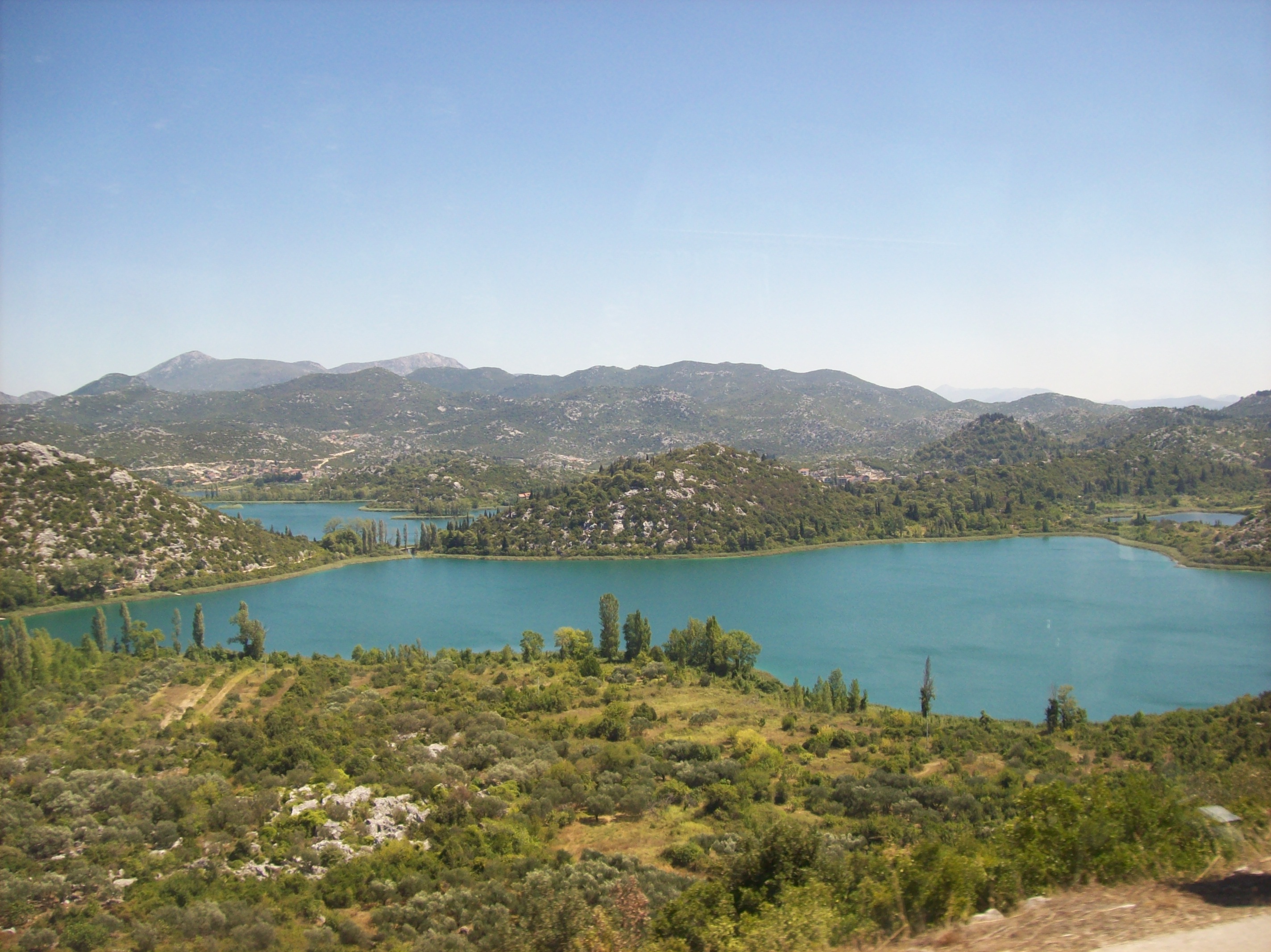
About Dalmatia
Dalmatia (Croatian: Dalmacija) is the southern coastal region of Croatia on the Adriatic Sea. It's by far the most popular tourist area in the country, with many seasonal flights, package hotels and visits by cruise ships.
Dalmatia travel guide
Understand
The Dalmatian dog was first recorded hereabouts in the 17th century, but Dalmatia probably means sheep, delmë in Albanian. Its unruly tribes were subdued by the Romans in the 1st century BC and became part of the province of Illyria. In Twelfth Night, Shakespeare's characters are shipwrecked here, to become embroiled in a farrago of cross-dressing, misguided love affairs, drunken revelry and dangerous pranks: nothing like any modern bunch of tourists. Dalmatia is mentioned in the Bible New Testament (2 Timothy 4:10), where Paul whinges about the many colleagues who've deserted him, such as Titus who's gone to Dalmatia, perhaps in need of a holiday from Paul.
Getting there
By plane: Dubrovnik and Split are the best connected to western Europe, with many package and budget flights in summer. Zadar has fewer international flights but these include London Stansted, Brussels and Düsseldorf. All three airports have daily flights to Zagreb. By boat: ferries cross the Adriatic from Ancona and Bari in Italy to Split and Dubrovnik. Domestic ferries ply along the coast from Rijeka via all the islands and mainland ports down to Dubrovnik. By road: the usual approach is along Highway A1 Zagreb-Split-Ravca, which is modern, fast and safe. Buses connect all the main cities especially Zagreb; international routes usually involve changing there. By train: a bit of an expedition, in ricketty trains that are slow and scenic, with the emphasis on slow. From Zagreb you can reach Zadar, Split and Šibenik. Passenger trains no longer run to Ploče on the coast south of Makarska.
Getting around
By road: there are frequent buses between the main coastal towns. You need a car to get anywhere else, e.g. the mountain villages, or around the larger islands. All the airports and resorts have car rental, but note the problem of Neum if you take a car to or from Dubrovnik. This problem disappears when the bridge bypasses Neum from 26 July 2022. Ferries are an alternative method between Zadar, Split and Dubrovnik, and are the only way to the islands. There are infrequent flights between Dubrovnik and Split.
See
Dubrovnik, but preferably in the evening when the day-tripper hordes have departed. Old churches: often Italianate with baroque interiors. Every small town has one (a welcome chance to sit down in the shade), but the grandest of all is Šibenik cathedral. This part of the world is Roman Catholic, so festivities e.g. Easter follow the western calendar, not the Orthodox calendar which is generally a week later. Islands: top choices for a first trip might be Hvar or Korčula.
Do
Water sports: all the beach resorts have the usual range of water activities, and several have scuba-diving. Hiking, mountaineering and rock-climbing: one attractive area is Biokovo national park, accessed from Makarska.
Eat
It's probably kebabs again tonight - ćevapi or ćevapčići as they're locally known. Those who enjoy grilled meals and fish will do well; vegetarians, vegans and GF have limited choice and might prefer self-catering. And the area lacks diversity of cuisine, though Split has a Chinese just for a change. Soparnik is a traditional Dalmatian dish. It is made from common ingredients from the region: Chard with onions and parsley between two layers of simplest dough. (Usually vegan)
Drink & nightlife
Lots of decent Croatian draught beer and wine in the many town and beach bars. The local distilled spirit is rakija, the best known being šljivovica or plum brandy.
Go next
To the north is Kvarner and the peninsula of Istria, well-developed for tourism. Further north is Slovenia, and Trieste in Italy. Inland northeast, Zagreb the Croatian capital is a fine old city. You're likely to cross Bosnia and Herzegovina accidentally, transiting Neum on the way to Dubrovnik, but please don't judge the country on this basis (imagine Tijuana but with clean toilets). See the place properly: Mostar and Sarajevo are a good start. Just south of Dubrovnik you enter Montenegro, with scenic Kotor and touristy Budva; further south is Albania.
Overview adapted from Wikipedia, travel guide fromWikivoyage (CC BY-SA). Photography via Wikimedia Commons.