
War zone safety
旅遊主題
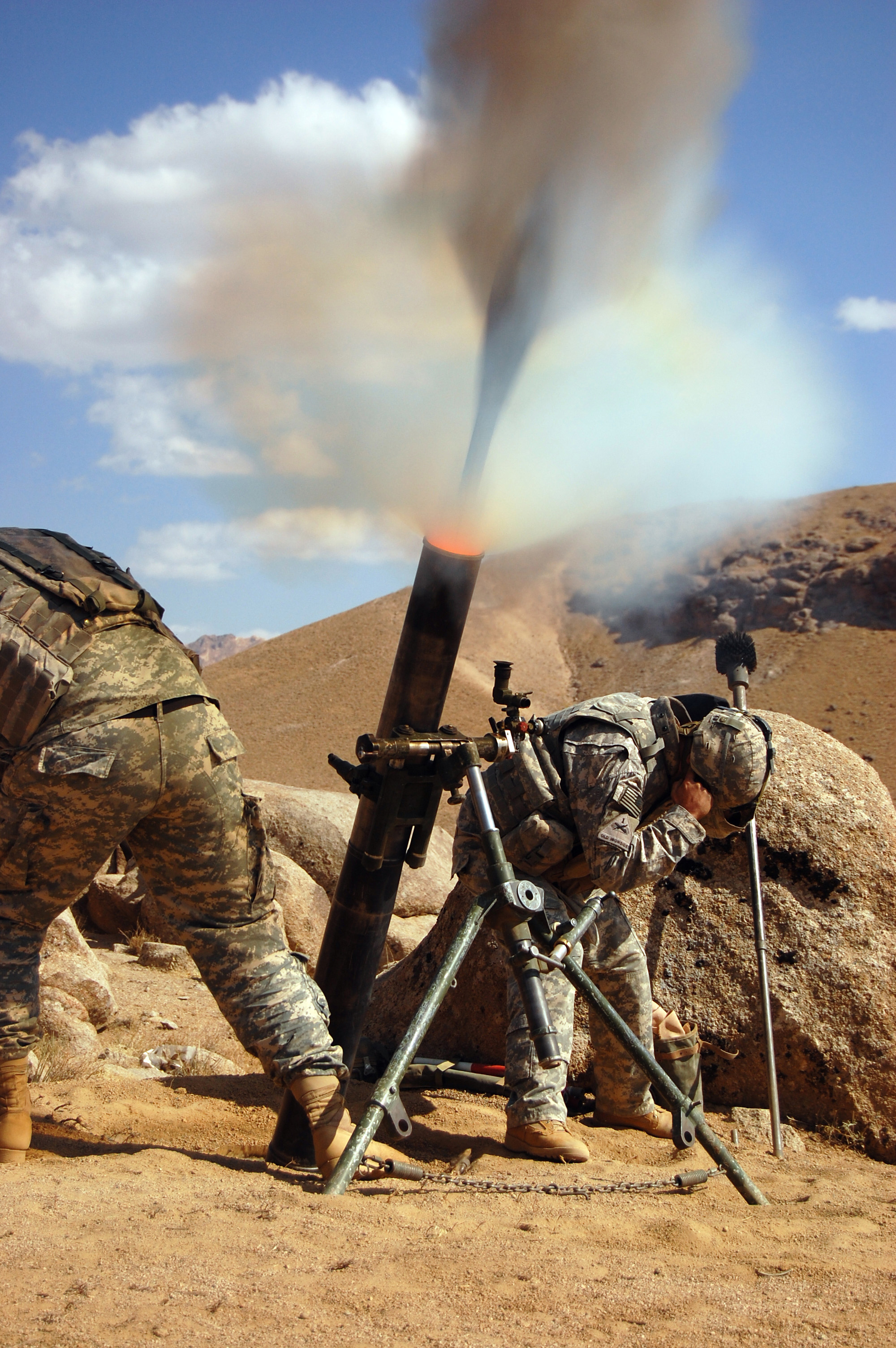
War zones or former war zones, often called hostile environments, are distinctly dangerous. It is highly unusual for anyone other than professionals sent with a specific mission, or locals who cannot or will not leave, to be wandering around war zones. Diplomatic missions are typically unable to provide any assistance to their citizens who are travelling in war zones.
War outbreak during a trip
If the place you are traveling to becomes a war zone midway through your trip:
Travel to a safer part of the country. Your country's travel warning map can help you. If the entire country has been declared a war zone:
Contact your country's diplomatic mission responsible for the area, register with them for assistance in leaving the country. Especially when airspace is closed. Follow the instructions of local authorities and diplomatic missions, most often the instructions will be to not leave your accommodation.
Safety advice
In general, national governments strongly advise against visiting war zones for any reason, and only send diplomats and other official representatives into these areas when they are accompanied by security teams or are located in a well-protected area. Acting against such advice may invalidate your travel insurance, incur large costs for rescue in case of an emergency, or be illegal under the laws of either the home country or the destination. Other organizations also provide safety information to interested groups, such as non-governmental organisations (NGOs) and humanitarian aid groups that work in war zones. Sources of information and travel advisories include:
Australian Department of Foreign Affairs – Smartraveller provides travel advice for countries and events, travel tips and safety information Canadian federal government's Travel and Tourism website includes travel advice and advisories for travel to foreign countries British Foreign & Commonwealth Office provides travel advice International NGO Safety Organisation exists to provide information and assistance to enable safer circumstances for NGOs US State Department provides travel advice, warnings and country information. As a rule of thumb, if a country announces the evacuation of diplomats in a destination (assuming that there is no diplomatic dispute), war is often looming and you ought not challenge the odds. Wikipedia also has a list of ongoing conflicts, though it should not be assumed to be entirely up to date or accurate.
Passports If you are a dual citizen, it is likely wise to carry only one of your passports for some travel. For example, if you have both Israeli and Russian passports, you might be safer identifying as a Russian in some countries. However, to visit countries that have sanctions against Russia, you might need to use the Israeli passport. Of course in most places you could use either, and there may be places where neither is a desirable choice; for example, many Afghans detest both Russians and Israelis. Some travellers carry a camouflage passport, which is a faux passport "issued" by a non-existent country. Camouflage passports are used to throw off terrorists and abduct
Land mines and unexploded ordnance
Most places that have seen armed conflict can be affected by mines or unexploded ordnance (UXO). In some cases, unexploded ordnance may remain dangerous for decades after the conflict ends – for example, China has had some deaths in the 21st century from left over World War II munitions, and bombs from the same conflict are still discovered (and dangerous) in both Germany and the UK. In fact older devices are sometimes more dangerous than new ones because the explosives – or the trigger – break down over time. There are still places off-limits due to mines in many parts of the world, including some where the conflict ended decades ago. After a few years heavily populated or heavily visited areas will generally have been cleaned up, but out-of-the-way places may still be dangerous. Mines fall into two categories: anti-personnel and anti-tank.
The most common type of anti-personnel mine is dug into the ground and triggered when someone steps on it. Another type is attached to a tree or a wall and is equipped with a tripping wire; these are more likely to take out several people. If you trigger an anti-personnel mine, it explodes immediately; there is no click or any other warning like you see in the movies. These mines are not generally designed to kill; maiming an enemy combatant is more effective than killing, since resources are needed to evacuate and treat the wounded. Anti-tank mines will not normally be triggered if you step on one; they are designed to be triggered by a vehicle. They are considerably more powerful than anti-personnel mines, capable of stopping a tank or completely destroying a truck. Some areas have both anti-tank and anti-personnel mines, to make clearing the mines more difficult.
Although booby traps may not involve explosives, given their purpose and secrecy, they can be considered as another kind of mines. The best advice for any of these devices is to stay well clear. There are sometimes warning signs of their presence. This can be as subtle as an untouched field in the midst of a heavily farmed area or an abandoned house in a busy district. Packing crates for mines or ammunition may be present, where they have been discarded. A conv
Insurance
Travel insurance generally does not cover you for travel to war zones. People who go to war zones as part of their work are usually covered by special insurance with very high premiums, the cost of which is usually borne by the employer.
Road blocks and checkpoints
Road blocks or checkpoints are common, not just in war zones. They will usually be hidden around a corner in the road (especially if they are not official). Road blocks are sometimes an opportunity for the people manning them to extort money or items from passers by.
The people manning a roadblock are usually armed, often nervous, and sometimes various sorts of more-or-less crazy fanatic; it is important not to do anything likely to upset them. First, keep your hands in sight at all times; that way, no one will think you may have a weapon. Move slowly; do not make any sudden movements. Look pleased to see the people who have stopped you, even if you feel contempt for them. Be polite. Keep calm. A flustered, panicked individual is more cause for suspicion than an easy-going one. Try to stay in the vehicle. If this is not possible, try to stay together, especially if you or others in your group are female. Keep all doors locked and if possible windows closed. Keep any cameras hidden. Learn basic local language, so that you can have at least a basic idea of what is being said or asked of or about you. Do not photograph any military checkpoints, personnel, roadblocks or facilities. Also do not photograph sensitive areas like bridges, border checkpoints, communications facilities and airports. When in doubt, ask for permission beforehand. In many nations it is an offense to photograph these items even in peacetime — security forces may suspect you are committing espionage.
Kidnapping and abduction
There are techniques that can reduce the risk of kidnapping or abduction. Perhaps the most important are avoiding risky areas and having professional bodyguards or a security team. Should you be taken captive, there are things you can and should be doing in order to maximise the chances of safe repatriation and to minimise unnecessary harm befalling you or other captives. Specialist training in kidnap avoidance and hostage survival is available and should be sought by those intending to operate in high-risk areas, or whose personal or corporate profile renders them at an increased risk of kidnap. In any kidnapping or abduction, the kidnappers have the least control right at the start. As time passes, their control over the situation increases and the opportunity for the victim to act is reduced. Many kidnap attempts are foiled because the intended victim reacts to the attempt in a way that the kidnappers did not expect. If driving a vehicle, reversing away from danger or changing direction may help (but may get you shot at). Specialist courses are available for drivers. Note that many governments have a policy of not paying ransoms to kidnappers. However, they seek to free their citizens who are taken hostage by working with the government of the country they are being held in and providing consular support to the family and emp
本指南改寫自 Wikivoyage (CC BY-SA)