
Beaches
旅遊主題
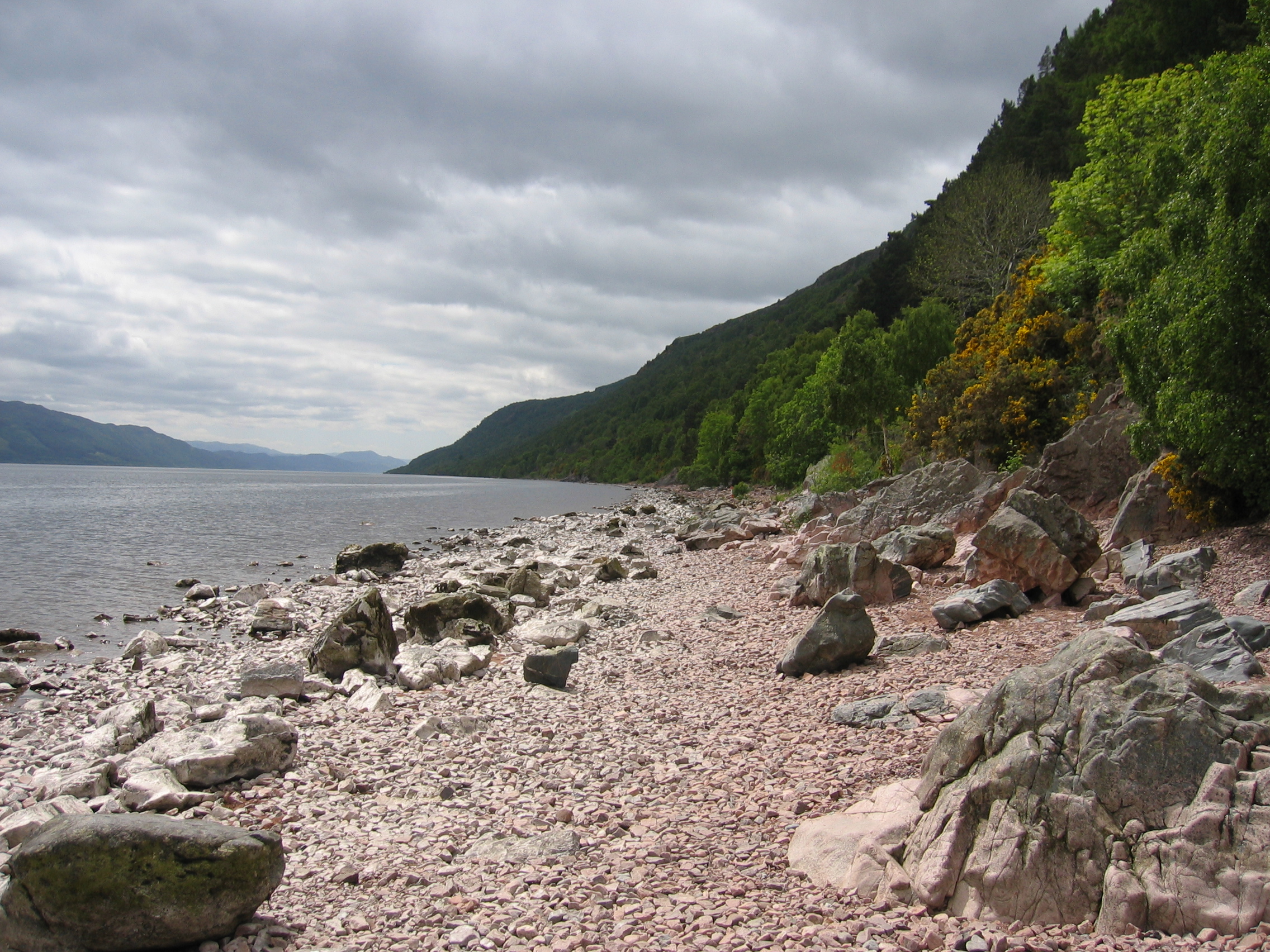
Being on a beach is an essential part of a vacation for many. Types of beaches and practices vary, as do the activities visitors come there for — mostly for swimming, relaxation, or water sports.
Understand
A beach is an area of loose sloping material (sand, rocks, gravel or pebbles) between the land and either the sea or a freshwater lake or river. The composition of the beach can often be important in deciding whether it is really suitable for your use. A sand beach is usually more comfortable to sit or lie on than a pebble one. On most seaside beaches, the area nearest the sea will be covered by water twice a day when the tide comes in – this means that the size of the beach can vary greatly during the day. Freshwater beaches and those on smaller seas are not affected by tides, but water levels in lakes can vary, and there may be less beach after heavy rain or at the height of a rainy season. A sometimes useful method of identifying good beaches near your holiday destination is to look at those with a Blue Flag award. However, this list covers only some countries and tends to concentrate on beaches that have developed facilities, rather than remote empty ones.
Enjoying the beach if you don't like the beach
A trip to the beach is an incredibly popular vacation, but some people just aren't into it. That's perfectly fine – to each one's own – but even if you're bored sunbathing, irritated by sand, and have no interest in swimming or water sports, you might find yourself on a trip to the beach because your traveling companion wants to go there. What to do? First, when you're planning the trip, think about whether you really don't like beaches or just don't like something about the beaches you've been to. If you dislike the crowds, head to a remote, lesser-known beach, or visit in the off-season or early morning when all the tourists aren't around. If sand irritates you, some beaches are covered in pebbles instead. If the beach houses and hotels spoil your view, try a wild beach, maybe one in a national park. If you get frustrated lugging all the gear and going back in wet, sandy clothes, a beachfront hotel brings effortless convenience. If waves, sand, and sky don't do it for you, look for a beach with spectacular scenery (cliffs, inlets, caves, varied vegetation). If you're not one for standard beach activities, find a beach with something else to do. Wildlife
Seasonal travel
Most beaches have a peak tourist period when large crowds come to vacation in the sun and sand. In more northern climates, this is typically the summer months of June through August. In the United States, peak tourist season at beaches is between the Memorial Day holiday (last weekend in May) and Labor Day (first weekend in September). Beaches near the tropics have their peak season during winter months when visitors from cold weather countries come to escape cold weather.
Cyclones Severe storms (especially cyclones, known also as hurricanes or typhoons depending on region) are a risk at certain times of the year. In the northern hemisphere hurricanes and tropical storms can occur between June and November. In the Atlantic Ocean, the storms form off the coast of Africa, move west across the Atlantic as they gain strength, and then come ashore, wreaking havoc in the northern Caribbean, Mexico, the southern Atlantic coast of the United States, or anywhere inside the Gulf of Mexico. Hurricanes do not track toward the southern Caribbean, so islands like Aruba or Bonaire are pretty safe bets for good summer weather. Hurricanes also form in the northeast Pacific Ocean, but they generally track further out to sea and usually dissipate when they hit cooler water. Occasionally, a hurricane can threaten beaches in Hawaii or western Mexico. More rarely, a hurricane will hit the California beaches. There is the same phenomenon in the northwestern Pacific, where the storms are called typhoons and mainly hit the Philippines, but also, e.g., Vietnam, Japan and China – and in the Indian Ocean and South Pacific.
Seaweed Since 2010, a seaweed called sargassum has ruined many a summer beach vacaion. Sargassum floats across the Atlantic ocean in long lines of thick clumps, washing ashore on popular islands of the Caribbean, beaches and beaches along the Gulf of Mexico coast (including beaches in Florida, Texas, Louisiana, Mississippi and Alabama). It generally does not float to European beaches. Beach communities often try to sweep the beach to clean it up for beachgoers, but cleanup requires a continuous effort to be effective, is expensive, and presents a disposal problem
Get in
As most people come to the beaches, they are usually not too difficult to travel to. Places with extensive public transportation might even have a stop named "beach" that is as close as you can get on firm dry ground to the beach. Some beaches are reserved for patrons of a specific tourist businesses or group of tourist businesses. There are also beaches off the beaten track, free to use for anybody who wanders off enough (in countries where they are not regarded as private property). Popular regions for beach vacations include:
Mediterranean – almost every country bordering the Mediterranean is a beach tourism destination French Riviera (Côte d'Azur) Greek islands Sardinia Costa Smeralda Canary Islands Mexico Cancun (Riviera Maya) Oaxaca Puerto Vallarta Tulum Florida Caribbean Sri Lanka Arugam Bay Mirissa Tangalle Southeast Asia Cambodia Ko Rong Indonesia Bali Flores Gili Islands Lombok Malaysia Palau Tioman Perhentian Islands Thailand Chumphon Hua Hin Khao Lak Ko Chang Ko Muk Ko Pha-ngan Ko Samui Ko Tao Ko Tarutao Krabi Pattaya Phuket Similan Islands Vietnam Phu Quoc Brazil Oceania Fiji Hawaii Australia Queensland Great Barrier Reef Gold Coast Sunshine Coast Whitsunday Islands Goldfields–Esperance and the South West of Western Australia Victoria Beach towns along the Great Ocean Road South West Coast Wilsons Promontory Maldives Hainan Vanuatu
Fees and permits
Some beaches charge a fee. At other beaches – particularly those important to the breeding of certain species of turtles – you may need a permit to enter at certain times or not be allowed to enter at all despite the beach being open during other times of the year. Different jurisdictions have different laws regarding whether the beach is public land, and if so, the limits of beachfront private land. For instance, in New Jersey, the entirety of every beach is public land, while in nearby Massachusetts, beaches are privately owned down to the low tide line. Of course, local signage may give the public ways to access these beaches, and it pays to ask the locals what to do. In some countries that allow private beaches, most beaches you'd like to visit are still public. Some nation-wide laws do exist: Countries where the beach is public land from at least the high tide line onward: Australia, Chile, Costa Rica, Croatia, Dominican Republic, France, New Zealand, Philippines, Portugal, Singapore, South Africa, Spain, Thailand, and the UK. In these countries, "private" beaches may still exist on privately-owned islands where there is no way to get to the island other than to be a guest at the resort. In certain countries, such as Jamaica, the beach is public property, but landowners abutting the beach do not have to provide public access. This can result in some beaches becoming de facto private property. Private beaches are legal in Brazil, Colombia, Finland, India, Italy, Mexico, Peru, Sweden, and some states in the US.
See
Sunsets are almost always enjoyable when watched from the beach if the beach faces the west (and for early birds, sunrises if the beach faces the east). Note that they can be rather short in the tropics and rather long at high latitudes. Quieter beaches are often visited by seabirds. A beach can provide a good spot for birdwatching as the birds can often be more clearly seen against the background of a beach, and they are often attracted to the beach by the worms and fish to feed on. Whales in some places, depending on the season
Do
Sunbathing Socializing Water sports – swimming, surfing, snorkeling, sailing, sea kayaking, scuba diving, and many others Beachcombing Kite flying Rockpooling
本指南改寫自 Wikivoyage (CC BY-SA)