
Botanical tourism
旅遊主題
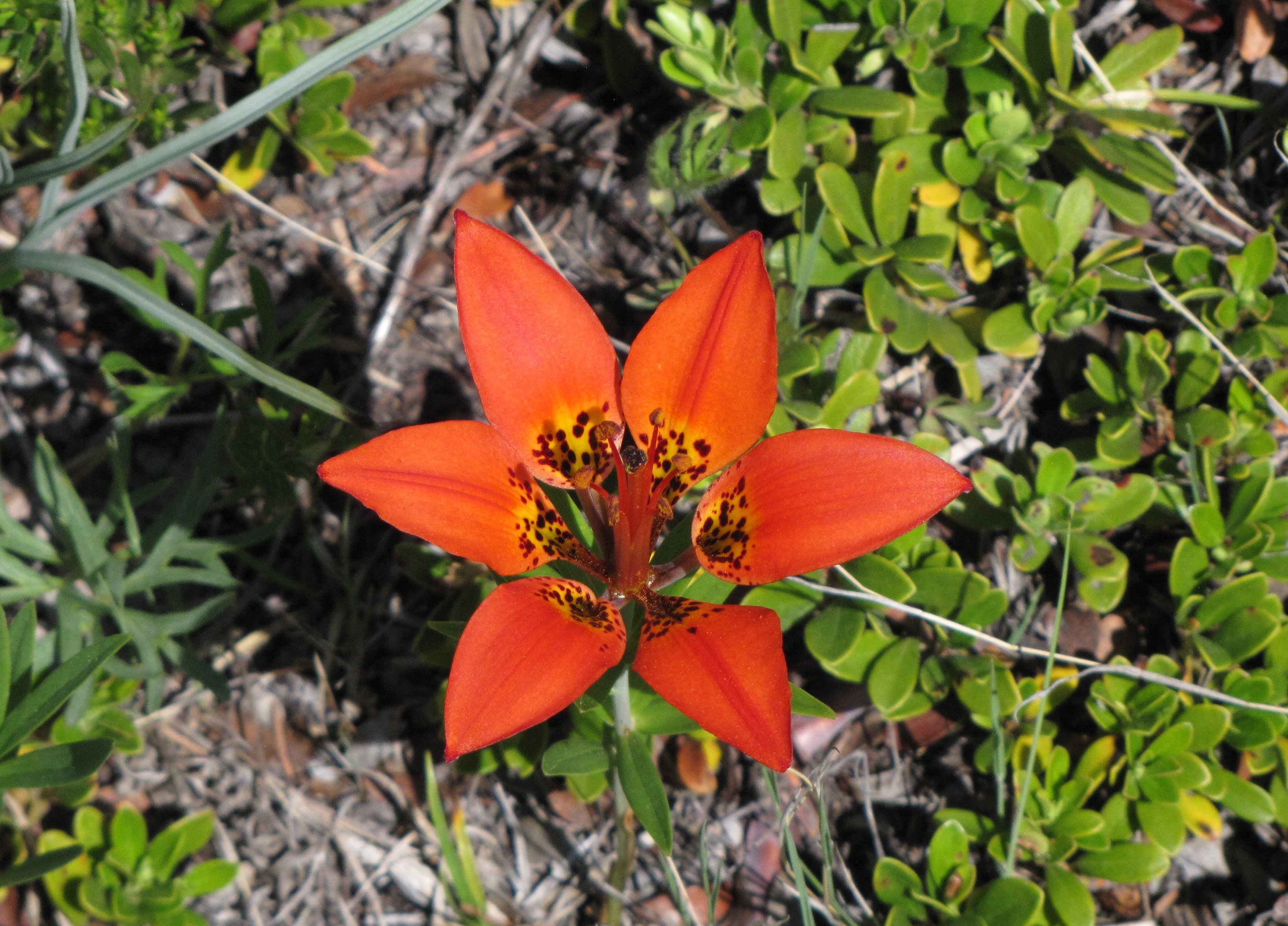
Botanical tourism is travel for the purposes of viewing the varied flora of a region, district or in the case of some species even a single plant!
Understand
Botanical tourism is travelling to see plants, either in their native environment or in managed botanical gardens and parks. Generally a greater variety of plants can be seen in the one place by visiting a botanical garden and no special preparation is needed, so gardens are a good introduction to the subject. Parks and gardens have been created and managed over many centuries. Gardens are said to have been created in Mesopotamia around 3,000 years ago. Botanical gardens started to appear during the Renaissance in the sixteenth century, although there were some earlier physic gardens devoted to medical herbs; see History of medicine. These gardens were used for research, often connected to universities, and received plants from returning explorers. In the 18th century many botanical gardens were established, and parks for the general public (rather than a select few) to enjoy were built. In particular, the British established many botanical gardens modelled after the Royal Botanical Gardens in Kew throughout their vast colonial empire. Heated glasshouses (greenhouses) enabled gardens to grow and display plants from around the world. See also Ramsar sites for wetlands and UNESCO World Network of Biosphere Reserves.
Prepare
Know in advance, if there are any plants you want to see specially. Specialist guides like Wikispecies can help you get a detailed taxonomy, if you already have the technical name of a plant you are really interested in. In addition, knowing seasons is essential in appreciating plants, especially flowers and colored leaves. Time of the day may be important, too – some species, such as Calonyction aculeatum (moon flower), bloom only in the night. Linné even made a clock based on the circadian rhythm of different flowering plants. As a variation of botanical tourism, tourist farms offer experiences like harvesting and eating fruits in the best season.
Equip
This is in general up to the traveller, but should be picked appropriately for the region visited. If you are visiting wilderness areas to look at native plants, ensure that your equipment is thoroughly cleaned, so that you don't introduce seeds, diseases or pests from home. Some botanical gardens require you to clean your feet on entry.
See
It is outside the scope of Wikivoyage to act as a detailed botanical guidebook to where individual species might be specifically found. The listings given below are either major tourist sites, recognized internationally (by UNESCO or other organizations) or regions visited specifically because of their floral or botanical heritage.
Africa
1 Kirstenbosch National Botanical Garden (Cape Town, South Africa). See the beautiful and highly diverse flowers and plants of the Cape in one of the most stunning botanical gardens in the world. Plants from every South African bioregion are displayed. These include a huge baobab tree, rare succulents from the Richtersveld, and fascinating medicinal species. The gardens are also home to the National Biodiversity Institute. The garden is special because it changes dramatically every season. You will see different birds, new flowers, etc. 2 Socotra. A isolated island of Yemen off the coast of Africa with very high biodiversity. (updated Nov 2018) 3 Namib-Naukluft National Park. A desert park close to the Atlantic with a notable amount of wildlife (updated Dec 2018) The wildlife of Madagascar has more than 10,000 endemic plant species.
Asia
China
Classical Gardens of Suzhou 4 China National Botanical Garden (国家植物园 Guójiā Zhíwù Yuán) (Haidian District, Beijing). Acres of greenery and flowers for those tired of urban smog and traffic noise. Sir Johnston, teacher of the last emperor Puyi, had a villa in Cherry Glen, a silent and beautiful retreat in the Gardens. In the spring, the gardens hosts special exhibits of tulips, peach and plum blossoms, peonies, and the like. Separated by the Fragrant Hill Road, the North garden is the former Beijing Botanical Garden, and the South garden is the former IBCAS Beijing Botanical Garden. (updated Jan 2023) 5 Qinling National Botanical Garden (秦岭国家植物园) (Xi'an). Covering an area of 639 square kilometers, the Qinling National Botanical Garden lays claim to being the largest botanical garden in the world. (updated May 2023) 6 South China National Botanical Garden (华南国家植物园 Huá Nán Guójiā Zhíwù Yuán) (Tianhe District, Guangzhou). Large botanical garden affiliated with the Chinese Academy
Eat
In conservation areas you should take care that the food that you bring with does not cause biosecurity breaches. Check your bags for any pests that may be trying to hitch a lift. Avoid bringing any food with you which would grow if accidentally dropped - you may need to leave fresh fruit and nuts behind, although cooked fruit may be fine. Many botanic gardens have cafes which provide a pleasant setting to eat in, but the cafe may open for shorter hours than the garden and be closed on some days.
Buy
Many botanical gardens have shops, selling guidebooks and souvenirs and often gardening tools and plants. On long summer days, the shop may close earlier than the garden. The purchase of cut-flowers, which are not easy to transport, and perish easily should be considered very carefully. In Europe commercial cut flowers are often a nice thank-you, but be aware of any cultural meanings attached; sending lilies, chrysanthemums or roses for example; certain colours; or an even number of flowers, may well be mis-read in some areas. It should also be borne in mind that nearly all plants (including their seeds and bulbs) are subject to tight import controls regardless of jurisdiction, in order to prevent the spread of plant pests and to protect native ecosystems from non-native invasive species. If buying plants to take home check the regulations carefully. It is often much easier to buy seeds or plants once you have returned home, and the varieties which you buy are more likely to be suitable for your climate.
Stay safe
A number of plants are toxic or act as irritants; see Dangerous plants for some with which contact should be avoided. Pollen allergies should also be borne in mind.
Respect
Plants look their best when in a natural environment, so resist the temptation to remove even "just one" specimen. If visiting a formally arranged garden, collecting "specimens" is also going to get you ejected, without discussion. In some regions, you may also find that owing to a highly specific ecology, you are unable to get very close to some flora, this is done for protective reasons as the cumulative effect of many visitors could destroy the very flora that visitors come to see!
本指南改寫自 Wikivoyage (CC BY-SA)