
Travel basics
旅遊主題
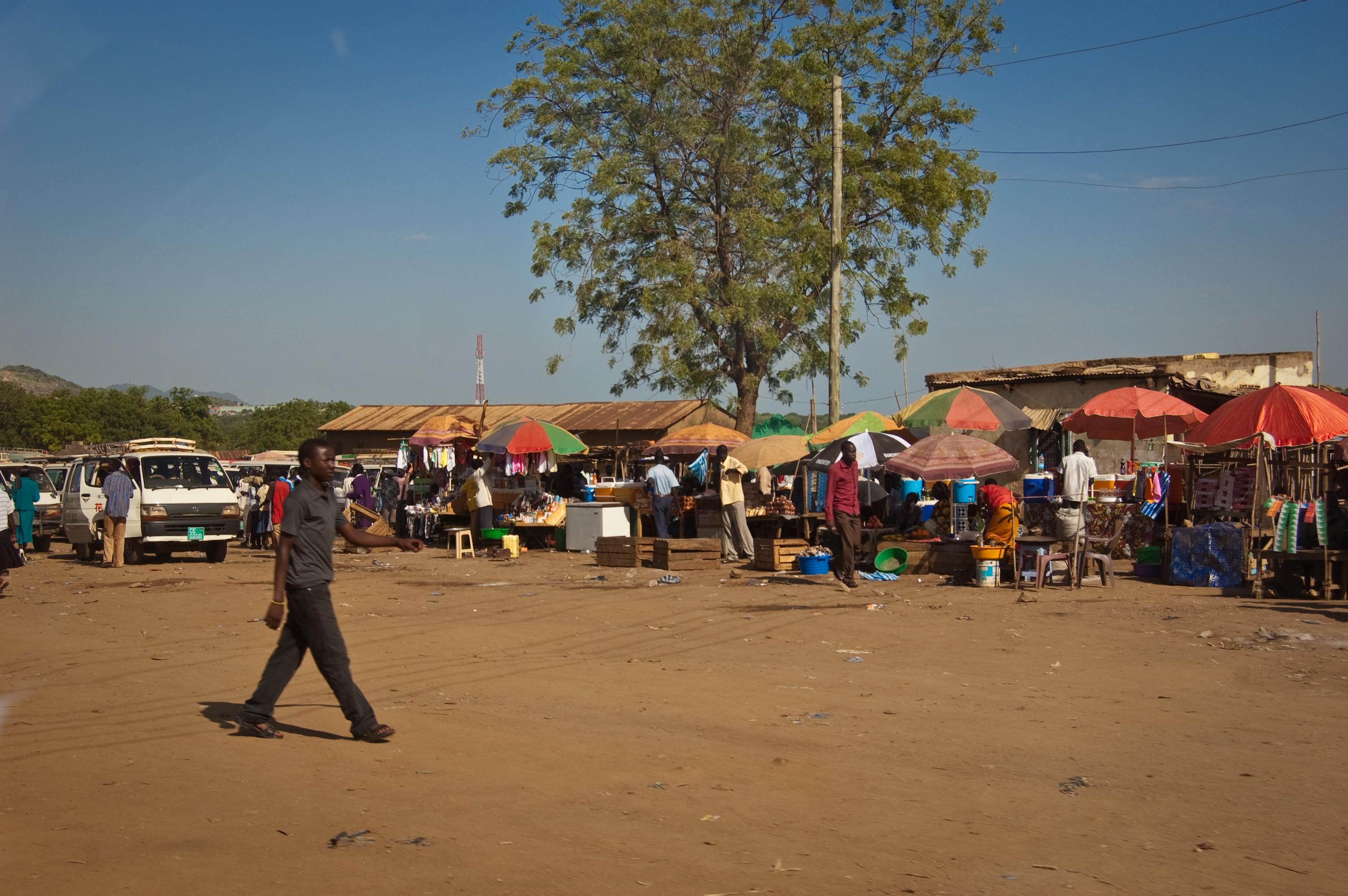
There are many things you have to take into consideration before and when you travel somewhere. This article presents travel basics and is geared towards people with comparatively little travel experience — this is not to say that experienced voyagers could not find it useful as well. More thorough information is available in the linked travel topic articles and in the destination articles.
Plan
This is the drawing board stage. It is about things that should happen in your head (and possibly in your conversations) and in your notebook, before you take the material steps to get ready to go. It is wise to do a budget in the early stages of planning, to see what destinations are realistic, and get back to it as you know more. Check actual money use regularly while travelling to avoid sudden shortage of money. If you use cash, it may be easy to see when your wallet starts to get empty, using a credit card you may notice that you spent much more than planned only afterwards, so more active checking is needed.
Understand
When you travel, expect things not to be like they are "back home". Manners, laws, food, traffic, lodging, measurements, language, standards and so on will to some extent differ from where you live. This is something you always need to keep in mind, to avoid disappointment or perhaps even distaste over local ways to do things. When you communicate with locals it is often easy to utter remarks like "back in the US, UK, Australia, Europe (you get the point) we do it like this...." Avoid this, as it will make you a representative of everything your home country stands for, whether you want this or not. And there may be good reasons things are done differently. Studying your destination beforehand is very advisable; in addition to Wikivoyage articles, Wikipedia articles and sites of local tourist offices, sights and businesses are good for this. The destination country's embassy is often happy to help you with travel information. Depending on the country, you may have to contact the embassy in any case to apply for a visa. Fiction books may also help to get a feeling for the place. Frequent travellers are often tempted to forego all planning, in particular if they've been to the place before. However, you never know if something has changed there or even at your home airport or railway station. It's useful to make a checklist so that you're sure you aren't forgetting something.
Group travel
If you are going as a group, make sure your expectations meet and that your programme suits everybody. Don't make an itinerary requiring lots of walki
Prepare
This is the intermediate stage between having things planned out and travelling. It is about the real, material, steps that need to be taken before you leave the doorstep.
Get paperwork ready
Crossing a border (intact and with all your things) mostly boils down to the question of whether you have all the right papers. How many documents you need and how difficult they are to obtain varies a lot. In most cases, travellers need a passport – domestic travel and travel by EU citizens within the European Union being two of the few exceptions. If you have one, check the expiry date, as many countries require your passport to be valid for six months after the date you expect to leave the country. If you need a visa, in the best case the application and issuance process will take a couple of days, but it may take much longer. In the case of small, less traveled countries, don't be surprised if it takes over a month to obtain a visa, and their nearest embassy may be in another country than yours. Also, if your country is poor, politically unstable or has tense relations to your destination, many countries might want to research your background thoroughly and then you might have that same problem also with a well-visited and well-organised country. If your trip includes several countries where a visa is required, remember that your passport can be at just one embassy at a time. It's often possible to get your visa faster (for a relatively steep fee), but if you can apply early enough, do so and save the money for something fun on the trip instead. Sadly, some places cannot be visited easily in succession or by nationals of certain countries. This mostly concerns Americans in Cuba and travel to and from Israel in combination with certain Arab and Muslim states. Our article on visa trouble has more information about this issue. Trouble can arise also if you are in the process of changing names (such as because of marriage), your names are written in different ways (which is common if there is transliteration or unusual characters involved), you have more than one citizenship, or documents otherwise do not agree on your person Visas may be needed also for countries you
Travel
So, everything about the trip itself is set and ready. However, before you go, there are still a few things to do at home – see our getting ready to leave article if there isn't somebody taking care of your house and mail when you are away.
Go The most convenient ways of travel vary between regions. While some are used to taking the plane and then a taxi from the airport (or to rent a car there), other travellers may be used to looking for trains – and in some places you will need a ferry. Check your options with an open mind. Depending on how you travel, there may be things you need to know about your transportation and crossing borders, especially if you're flying. Have a look at those articles as well as the corresponding Wikivoyage article of your destinations and the countries they're located in to avoid at least some surprises you may encounter. There are also things you need to keep in mind when arriving in a new city or any other new place for that matter. Especially if you're an inexperienced traveler, you probably would like to have done your travel arrangements beforehand to avoid having to search for the safest way into town, lodging, and such after, say, a long flight and tiresome border check. If you at home don't use local public transport or long-haul buses, trains, ferries or whatever means of transport you are going to encounter, or if the culture or milieu at your destination is different from that at home, you may want to read up on what to expect. You probably know that some countries drive on the left and others drive on the right. Typically that means that most everything about driving (the layout of the car, right of way) is mirror reversed as well. If you're planning to drive in a country that uses the opposite side of the road, it'll take some getting used to, especially turning. Many a tourist has ended up going the wrong way on a divided road after a turn – not a situation you want to be in! Left-hand driving doesn't just affect drivers: bicyclists will have the same adjustment to make, pedestrians must be alert to which direction cars will come from, and bus riders will need to wait on the opposite side of the street from what mig
Cope
Young travellers on their own may have special issues to cope with. In most countries people under 18 years of age are treated as minors; some countries have other age limits. In many countries places that sell alcohol are off limits for minors or young adults, and that may include the place where you intended to have your dinner. You may have to cope without a credit card, and make arrangements when one is needed. On some Baltic Sea ferries, minors are not allowed to board without adult company, and similar restrictions may apply elsewhere; car rental is often limited to people above 21 with sufficient driving experience. Young females may have problems with unwanted attention (or worse), and may need to take special precautions. Any young person may be more vulnerable to scams and robbery. We also have articles on other issues, such as health conditions and travelling with pets.
Return
When shopping, remember that you may not be allowed to bring some things home – or to a country inbetween – such as certain threatened animals and products thereof, antiques, drugs that may be legal abroad, and pirated goods. Likewise, your country may restrict import of unprocessed food products. More often than not there is also a limit on the worth of the goods you are bringing in as well as separate restrictions on alcoholic beverages and tobacco. If you travel by plane, don't exceed weight limits
本指南改寫自 Wikivoyage (CC BY-SA)