
Travel agencies
旅遊主題
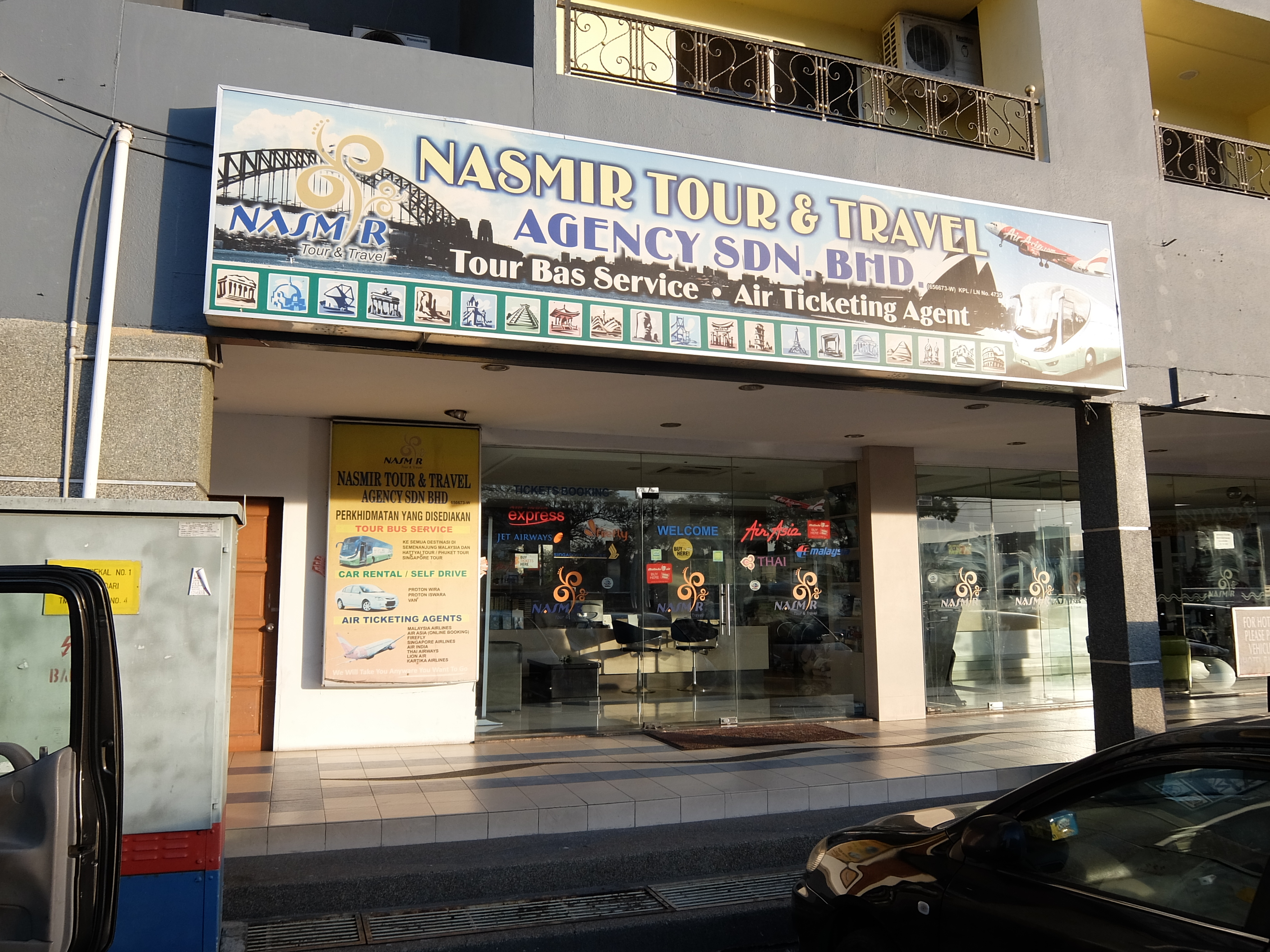
Travel agencies sell travel products, such as accommodation, transportation and attraction tickets on the behalf of the primary providers, either individually or as part of a package. They can also organize individual or group travel for their clients, at the very least as combinations of transportation and accommodation.
Understand
Travel agencies have been around since the 19th century. A travel agent is usually a good option for a journey which extends beyond a traveller's previous experience of nature, culture, language or low-income countries. Although most agencies are willing to service most general bookings (e.g. flight and hotel), many agents specialise in particular types or aspects of travel, budget ranges or destinations. It can be better to use an agent who frequently books similar trips to yours. Take a look at what trips the agent is promoting, whether on a website or in a shop window. Some agents may mainly sell complete package trips pre-planned by their head office or another agent; at the other extreme some agents may be prepared to plan a complete trip in detail for a client, including theatre bookings etc. You may engage with a travel agent by calling into a physical shop, or by phoning either the shop or a central call center. If you are booking a straightforward package, then you may book it online using the agent's website.
Pros and cons
Much online advice about travel agencies is provided by the business itself, and might have a bias toward using a travel agency.
Saving time before the journey. While some people see the planning process as a pleasure in itself, others might prefer to leave the effort to a travel agent. They may offer better deals for group or corporate travel. An international travel agent can be assumed to handle language and culture barriers between the client and the destination. The travel agent's deal usually provides some travel insurance perks itself. They may have different terms for cancellation – by you or because of bankruptcy or some force majeure – than a direct booking with an airline or hotel would have. A travel agent's knowledge about the destination is usually up to date, including the risk factors and information from travel advisories. An established travel agent could be more reliable. They can be expected to select suppliers with a good track record. If you have complaints, the law might give you a stronger case against a domestic travel agency, than you would have against a foreign carrier or resort. A travel agent might also be more dependent on goodwill than more anonymous service providers. If you travel with a legacy airline and sleep at an international hotel chain, the opposite could however be true. A travel agent might offer a credit plan for later payment. You are less likely to make an expensive mix-up with a travel agent – for instance booking a flight to Birmingham in England and a hotel in Birmingham in Alabama; or booking the wrong date. A travel agent can help to re-arrange your itinerary if it becomes disrupted during your trip – if airline flight times change or weather disrupts travel. Depending on the cause of the disruption and the consumer protection rules in the country where you book, the travel agent may have to bear some of the costs of these re-arrangements. A travel agent can be helpful in dealing with visa bureaucracy. In some cases embassies may require applicants to deal with accredited travel agencies rather than with the embassy directly. A travel agent might be able to book flight tickets that involve changing flights bet
本指南改寫自 Wikivoyage (CC BY-SA)