
Tobacco
旅遊主題
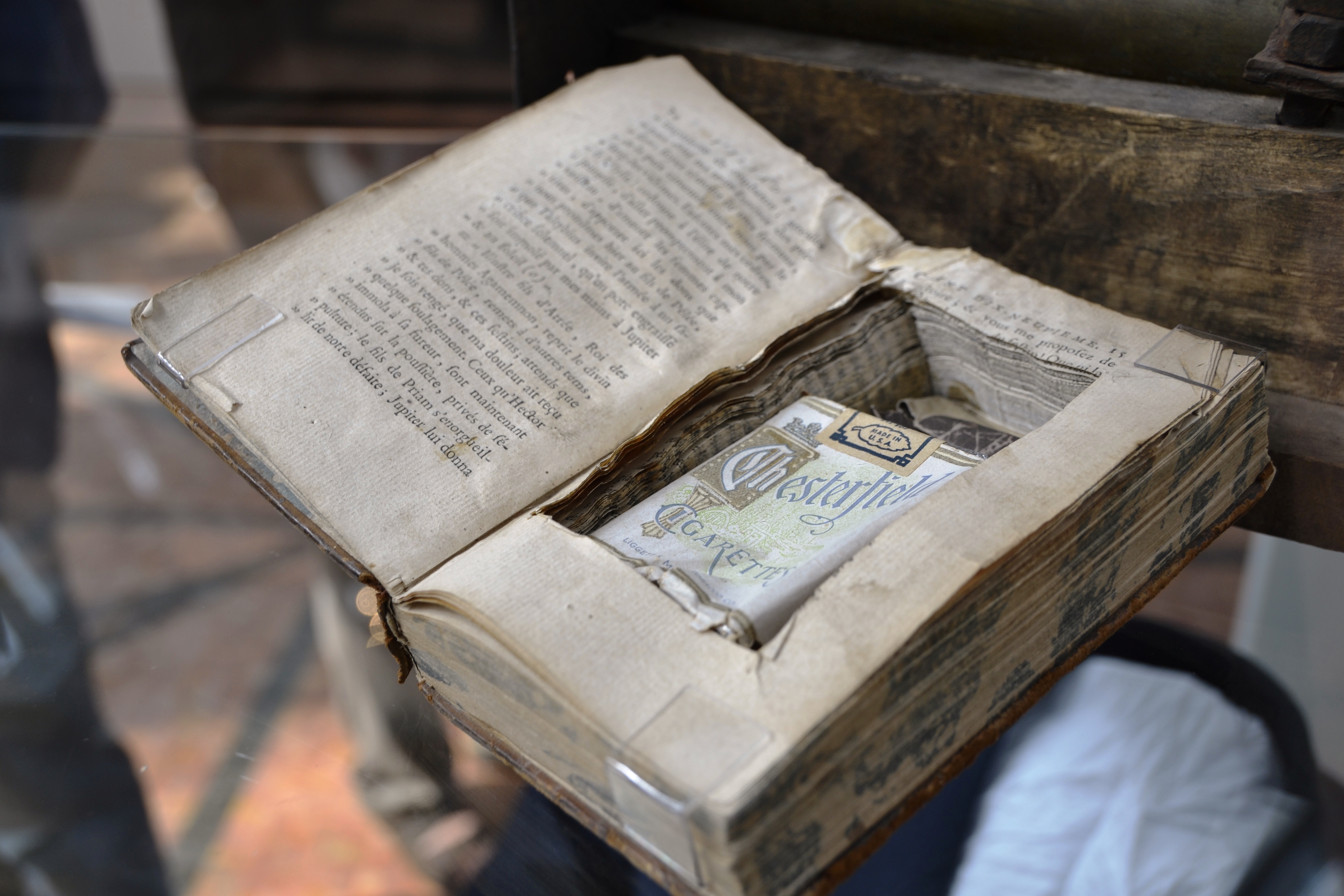
Tobacco smoking is an activity that has come under fairly stringent controls in most countries. Smoking is prohibited in most or all indoor public spaces and inside public transport such as aircraft, buses and trains. Restrictions and enforcement vary considerably from place to place; for details see the rest of this article and our articles on particular destinations.
Border controls
Tobacco Many countries have restrictions on the quantity of cigarettes or tobacco that can be brought into the country. In many countries, tobacco products are taxed heavily, so those importing more than a few packets of these products should expect to pay import duties. On the other hand, many countries also have facilities that permit departing travellers to purchase these same products, duty free, at the border, as they leave the country.
Tobacco products vary enormously in price around the world, mainly because different countries or states tax them differently. For example, the price of a pack of Marlboro (converted to US dollars) ranges from about $2.50 in the Philippines (where they are common, made locally under license) to well over $14 in Canada (where they are an imported luxury, subject first to duty and then to stiff taxes). In both cases, local brands are considerably cheaper. It is common for smokers visiting countries with lower costs to stock up, and even non-smokers may buy cheap cigarettes as gifts. Import restrictions and the penalties for violating them also vary considerably; check local information for each planned destination. The commonest rule allows a carton of 200 cigarettes (in some places, plus other products such as cigars) provided you have been out of the country at least a few days. Some places are much stricter; Hong Kong, for example, allow a person who is over 18 to bring 19 cigarettes; 1 cigar or 25 grams of cigars; or 25 grams of other manufactured tobacco (but no alternative smoking product like electronic cigarettes as these products are forbidden to import) with duty-free benefit. Within the European Union, there is in theory no restriction on how many cigarettes and grams of tobacco can be moved across borders for personal use (including customary gifts). In practice, anything upwards of 800 straights or 1kg of tobacco will at least attract raised eyebrows at border control. For import, including duty-free sales on ships and at airports (and for some special territories), limits are strict. If you are going to board a ferry with duty-free sales with tobacco you already bought, be sure to bring the receipt or other pr
Smokeless tobacco
Some tobacco products are consumed without smoking, such as chewing tobacco, dipping tobacco (snus) or snuff. They can function as a replacement where smoking is prohibited, but they are usually regulated, and in some cases prohibited. If you intend to carry them across borders, check the regulations. These products are also not nearly as widely available; you can get cigarettes almost anywhere and cigars or pipe tobacco in many places, but chewing tobacco or snus are hard to find once you leave the areas where they are commonly used.
No smoking
Most countries now forbid smoking indoors in public places, and on most or all public transport. See our individual destination articles for details, or consult the many "Smoking in ..." articles on Wikipedia.
Other restrictions are fairly common as well; for example, many hotels forbid smoking in some or all of the rooms to protect the cleaning staff and the next customer from the smell and/or the health risks. Some places have stricter rules in play. Ottawa, for example forbids smoking within 9 m (30 feet) of most building entrances and in any part of a bar, even an outdoor patio; this makes smokers thoroughly miserable during the city's cold winters. Hong Kong prohibits smoking in most public parks, and Dumaguete bans it on the streets. Bhutan and Turkmenistan are the two countries that completely banned the sale of all tobacco products. They also heavily restrict (or outright ban) the use of tobacco products in most public areas. In many cases, police and other authorities can punish unauthorized smoking with a fine issued on site (or just a reprimand, if the smoker is lucky). At high-risk locations, such as gas stations, aircraft and industries, smoking can be relatively harshly punished, even leading to a prison stay. Manipulating ventilation or smoke detectors on commercial aircraft to allow smoking, is prohibited.
Heavy smoking
In Asia, particularly in China, smoking is still something of a social activity, at least for men. Anyone with cigarettes will offer them around before he lights up; having an expensive brand is a status symbol. Female smokers may be thought odd; more men and fewer women smoke in Asia than in Western countries. Restaurants do not usually have non-smoking areas; many do not have ashtrays either. Areas such as bus stations may have "no smoking" signs, but these are often ignored. Non-smokers should be prepared to endure smoky rooms. Even in China, though, this is slowly changing. Smoking is now forbidden in many restaurants, at least in major cities. In Europe, smoking is most prevalent in the southeastern part of the continent: Bosnia and Herzegovina, Serbia, Croatia, Montenegro, Albania, North Macedonia, Romania, Bulgaria, Greece and Turkey. These countries also have rather low levels of smoking ban enforcement, especially Bosnia and Herzegovina, so be prepared to cope with smoke-filled public spaces. Outside the southeast, smoking is also very prevalent in much of Spain, Portugal and Italy.
Tobacco products around the world
Though tobacco is today grown around the world, the Caribbean and the southern United States have a rich tobacco heritage. In some areas tobacco or related products are commonly bought by tourists; two well-known examples are Havana cigars and meerschaum pipes picked up either at the source in Eskişehir or in the Istanbul bazaar. Both the cost and the available brands of smoking products vary greatly from place to place, partly because taxation and import rules vary hugely. A few brands such as American Marlboro or British 555 are quite widely available, but in many countries those will be expensive imports and all the cheaper smokes will be brands most visitors would not recognise. In some places, the local products may taste quite different as well; for example, the popular French brands Gitanes and Gauloises are far stronger than most smokers will be used to. Some countries have unusual tobacco products. India has small, hand rolled cigarettes called beedies, mainly smoked by those who cannot afford standard cigarettes. Indonesia has clove-laced cigarettes called rokok kretek (which means "clove cigarettes").
Travel for smokers
Tobacco is of course addictive, which is why it is so profitable both for companies and governments, and addicts may become quite uncomfortable when deprived of their drug. In particular, long air journeys can make heavy smokers downright miserable (see flying and health), especially since large parts of most airports are non-smoking as well. The withdrawal symptoms are quite genuine, and reflecting that the addiction is self-inflicted just makes it worse. Many travelling smokers just suffer through this or try to sleep. Some dose themselves with tranquilizers or large amounts of alcohol, which may help some but is not recommended since those substances have their own dangers: mixing booze and tranquilizers can be fatal, and it is a very bad idea to be stoned or hung over when trying to deal with border controls. A better solution is to look on a long flight as an opportunity to quit. If you can resist the urge to light up the instant that becomes possible on arrival, instead go shopping, sightseeing or partying, or just fall over and sleep off the jet lag, then you are well on your way to quitting. The first few days are by far the worst and a flight gets you through one day without requiring any willpower from you. Consider going the rest of the way yourself. Whether or not you are quitting, it is a good idea to carry nicotine gum for long flights. The gum is marketed mainly as an aid to quitting, a way to reduce nicotine addiction pangs in new non-smokers. However, it can also be used by unrepentant addicts to help deal with long flights. Chewing any sort of gum also reduces the chance of ear problems due to pressure changes during a flight. Nicot
本指南改寫自 Wikivoyage (CC BY-SA)