
Sleep
旅遊主題
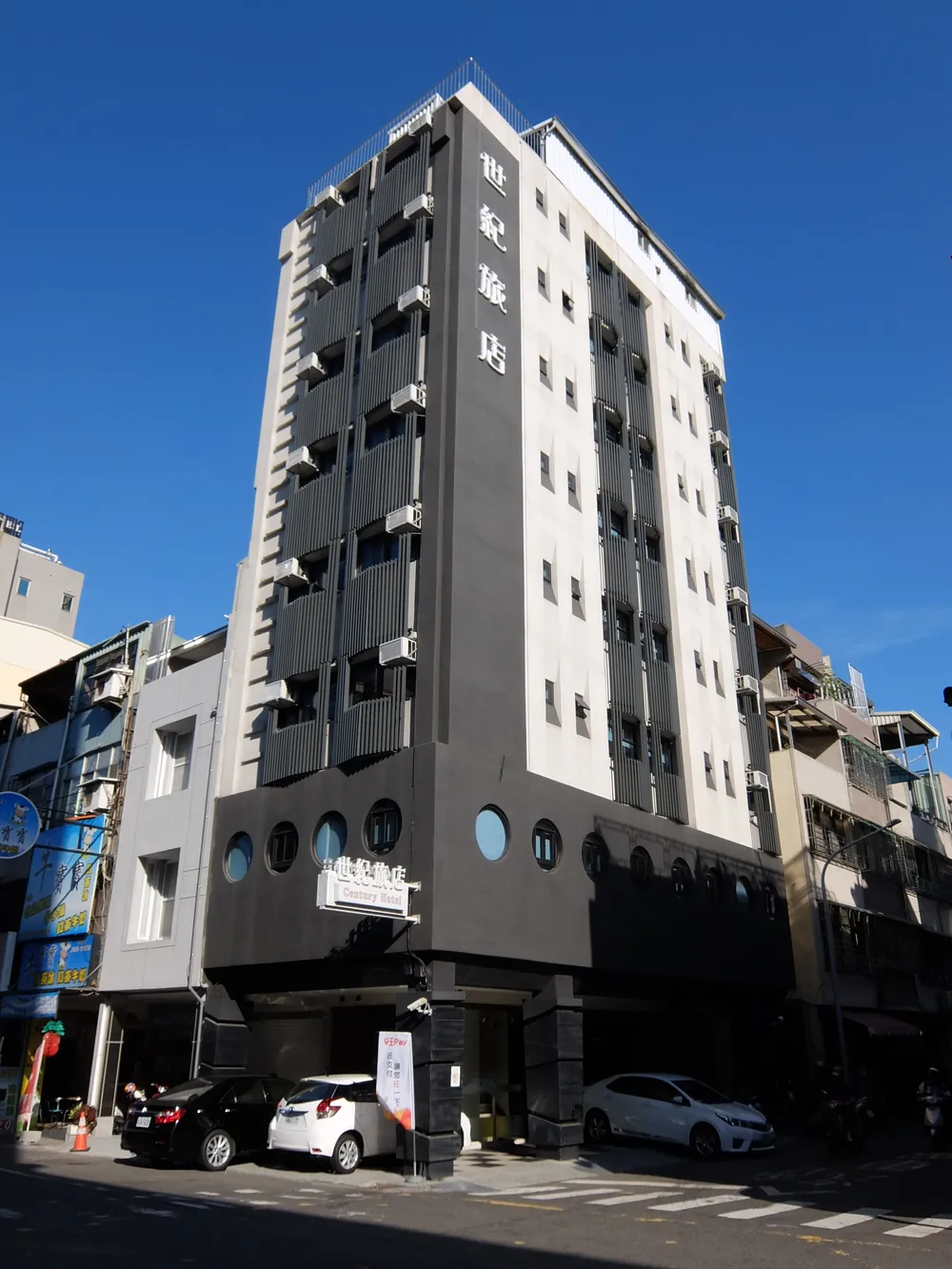
Sleep, and thus accommodation, is a basic need for travellers. It typically requires more planning and money than other parts of the journey. Without a good night's sleep you won't be at 100% the next day which can ruin your trip.
Finding accommodation
Accommodation can either be booked in advance, or found on the day. If the itinerary is set, booking as soon as possible is usually the best option.
Booking in advance
Booking in advance gives the traveller peace of mind that they will have somewhere to sleep once they arrive at their destination. However, sometimes the room isn't available after all, and you are "walked" to find somewhere else to lay your head. Check carefully what you are booking. Search results often include offers even tens of kilometres from the location searched for. Marketers are infamous for touting accommodation as being "close to" attractions which are far away, sometimes even in the next city. Wikivoyage articles often provide coordinates and a locator map to give an idea of the relative proximity of lodging to key attractions; at minimum, a street address should be mentioned.
Getting walked Hotel managers have to fill beds so it's not uncommon for travellers having booked a room, particularly at the lower end of the cost scale, to arrive to find that it has been resold. This is because hotels usually have a policy of overbooking (selling more reservations than they have rooms available), especially on high-demand nights, with the assumption that some guests will cancel or no-show. (As some hotels abuse this more than others, it pays to check online reviews before booking anything.) If a guest has to be "walked" (told that there are no rooms available despite having a reservation), the hotel will usually offer to pay for a night's accommodation at another nearby hotel — but if there is especially high demand for rooms throughout the whole area, even this may not be possible. Managers who overbook hotel rooms have been known to play favourites, with the lone voyager staying "just one night" as a first-and-only time visitor to the city taking lowest priority, along with clients of third-party reseller websites and any travellers the desk staff perceive to be "impolite" or "rude". Turning away a loyal client who visits often, such as a business traveller or a convention vendor, would mean the inn losing that client's future business. To reduce your chances of being walked, try to arrive at the hotel as soon as possible after check-in time begins.
Online You can book accommodation online, either at the hotel's own web site or at the website of an
On the day
If you have planned your trip yourself, which means you have not decided to use a package from a travel agent, sometimes finding accommodation when you arrive is the best option. If you have not made reservations in advance, this should be your first priority upon arriving. The best and/or cheapest hotels have a tendency to fill up most quickly, and looking for a place to sleep as darkness falls can be an anxious – and even dangerous – experience. It is sometimes frustrating to be reading a guidebook and looking for the listed recommendations trying to decipher an unfamiliar map having just travelled for several hours. Walk around and inquire at the first few places you see. Courage and confidence are required for this type of thing, especially if you are not using your native languages. However, it is sometimes easier to do this rather than tracking down listings, especially for the first night. Larger cities and popular tourist destinations may have "tourist information offices". These may be operated by the local government, a consortium of local hotels and attractions, or independent parties (of varying trustworthiness). These frequently offer listings of hotels and other lodging options (e.g. hostels, bed-and-breakfasts). Some act as booking agents for hotels, placing visitors in facilities with vacancies (though there may be a fee for this service). Looking at last-minute accommodations may not be feasible if your intended destination country requires a visa be obtained in advance; many such countries require that visitors have already arranged accommodation before approving a visa or admitting a traveller into the country. Even for countries where your passport qualifies for a visa-free entry, the immigration officer will in many cases demand to see proof that you have a place to sleep, usually in the form of a reservation for a room. If you intend to stay at a private home, you should have the address and probably some form of invitation.
Finding bargains
Newly opened hotels. Frequently, the best hotels are those that just opened. Beyond being modern, they need to attract clientèle, and may strive to offer more comfort or services for less money. It often makes sense to ask locals upon arrival which hotels/B&Bs, etc., have opened in the last year or two. Group deals. If you travel with a group or a travel agency, the rate per person might be lower. Last-minute offers. Many hotels discount their unsold rooms and sell them through specialist 'last minute' type consolidators. The reduced rates available from these consolidators are not usually advertised in the hotels themselves (the hotels do not want to advertise these lower rates to guests who are paying full rates). Contacting a consolidator directly can save you money and, especially in larger cities, legwork – the better companies will usually telephone the hotels within your budget to confirm availability, important when you've got tired legs in a large city like London for example. Look for consolidators offering both telephone and online booking services so you are not dependent on internet access when trying to find a hotel. Off season – or the right day of week. Check business hotels for weekends and resort hotels for weekdays, be aware of local holidays and consider non-peak seasons. Sunday night both weekend tourists and business travellers are away, so you could use it for a night in an expensive city. Some establishments publish off season prices, for others negotiating a better price may be possible. Depending on your destination, some individual attractions may be closed off-season; check whether what you want to see is open before booking a trip. Location Location Location – It has been said that those are the three only things that matter for a hotel. Quite often a bargain can be had for a hotel that is a bit out of the way. For many camping sites this is the whole raison d'être – being on cheap plentiful land outside major settlements or in the back of beyond. Some of the best deals are available for a hostel or hotel that is just a bit farther away from the ferry dock or the bus stop everybody arrives at than most people will likely venture. A
Hidden charges
Beware of hidden charges, such as a non-optional "resort fee" or "destination marketing fee"; the hotel may have no intention of making any room available at the advertised price. Ask for the full cost before you book anything. If a hotel refuses to rent a room without a credit card, which happens frequently but not universally, they may be planning to bill all manner of "incidental fees" or hidden charges to your card. It sometimes pays to read the fine print. The fees for using the phone in a hotel room are often very high, as are the price of beverages in the hotel room fridge. Pay-television channels are one more way to get a surprising bill. Wi-Fi may or may not be free.
Types of accommodation
Many prospective visitors to cities with expensive accommodations consider staying in a suburb to save money. This is occasionally sensible, but it is usually a very bad idea and a false economy. Examples in which it can make sense are usually when a suburb is either a built-up city itself or otherwise well integrated into the central city's transportation network, such as if you are willing to take about 50 minutes to an hour on the T (the local metro/subway name) to downtown Boston from a station like Alewife in North Cambridge, Massachusetts and stay in the pleasant city of Somerville, within a 20-minute walk of it, particularly if you have a car you'd like to park for the duration of your stay and would prefer to avoid the exorbitant fees you'd be charged to park in
本指南改寫自 Wikivoyage (CC BY-SA)