
Shopping
旅遊主題
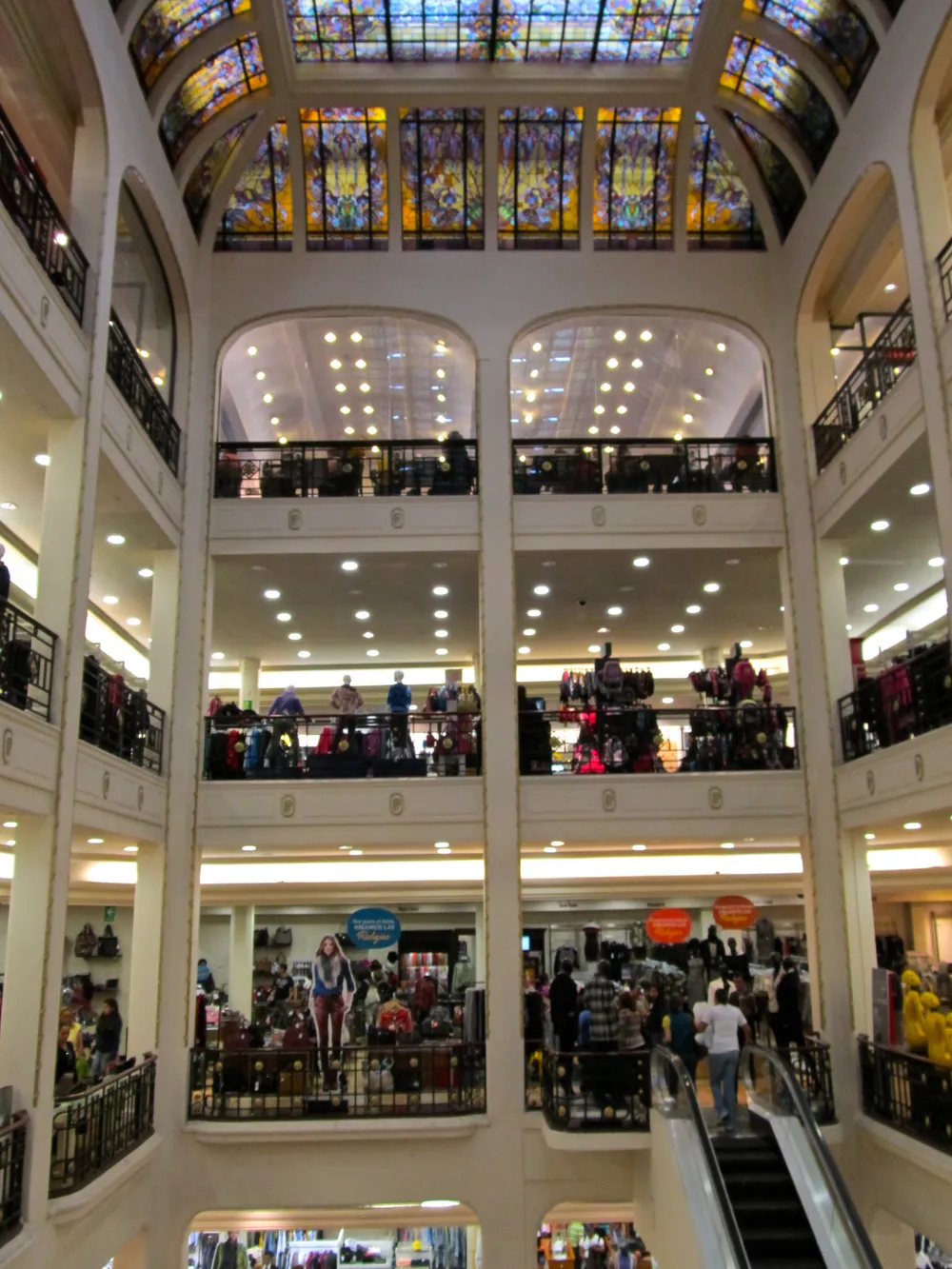
Shopping can be interpreted in several ways: as any kind of purchase, or as a pastime in its own right.
Good and bad places to shop
Even an awful vendor may have some good deals or be the only place selling what you want, and even an excellent one may have some overpriced rubbish – but there are also some general rules for finding good places and avoiding bad ones. Airports are a mixed bag; many of their shops are seriously overpriced, but sometimes the duty free shopping is excellent and there may also be some good deals elsewhere.
Good places There are some good deals in tourist areas. They will often have a better selection of tourist-oriented goods than you might find elsewhere and facilities may be better as well; for example they may have more English-speaking staff or be set up to accept foreign credit cards which other shops will not take. However, prices are often somewhat or much higher than elsewhere, especially in so called tourist traps, so buyers should be wary. In particular, if you plan to buy high-priced goods it will often be worthwhile to look for better deals elsewhere. Border towns often have good bargains, aimed at people who take shopping trips across the border to get whatever is cheaper or higher quality in the other country. But exercise judgement, as some shops take advantage of their transient customers by selling low-quality items, or selling them to a price closer to that in the more expensive neighbour. Often you can do better if you discover where the locals shop and go there. In particular, local department stores may offer good quality and decent prices. In many places, the local markets, bazaars or souks are very colorful, well worth visiting even if you are not planning to buy anything. You can often find bargains there, if you know how to bargain, but if you prefer fixed prices or want guarantees, the department store probably feels more comfortable. There are a few types of specialist stores worth looking for.
Many museums have shops selling high-grade replicas of items in their collections or even those of other museums. Major institutions like the British Museum or the Smithsonian have very fine shops, and even small museums often have good ones. Some archaeological sites have good shops as well. Many art galleries sell good books or prints. Local
Department stores
For many travellers, the local department stores can be good places to shop. Prices will often be somewhat higher than you might see in a market or from a street vendor, but quality may be higher as well, you do not need to bargain, and the risk of being cheated is significantly lower. Air conditioning and freedom from touts are also nice features. One exception is if you need specialist goods, perhaps a camera or equipment for diving or mountaineering. As a general rule, specialist shops will serve these markets better than a department store can. Department stores became common in the 19th century, and by the 21st century, many of them have been replaced by shopping malls. Still, many remain. Some cities have historic department stores famous for their architecture and displays, that tourists may want to visit even if they don't plan to buy anything. These places usually cater to the high end of the market, and have distinctly stiff prices.
Tips for shopping
Travel light. You can cut down on baggage when travelling out, by buying clothes and toiletries for your trip on arrival, especially if you travel to a low-cost destination with good shopping opportunities. You can save weight on your way home by giving used clothes to a local charity. Research/observe price levels before shopping. With any possibility of a major purchase, before you begin your trip learn what prices might apply at home, in stores and by Internet based sellers. At first arrival in a foreign country, you can only guess whether an offer is cheap or expensive by local standards. In tourist areas, such as airports, hotel shops and cultural attractions, prices tend to be inflated. As you pass by several stores elsewhere, you might learn the commonly accepted price for regular items. Remember the selection and prices at the airport or hotel, so you know what purchases can wait until you return there. Rule of thumb for small purchases, calculator for big ones. Use a rule of thumb to compare prices for inexpensive items. Let's say you live in the United States and visit Japan, while the Yen is 88 to the US Dollar. Since 88 is nearly 100, the rule of thumb would be deleting two zeros from the price, however this would cause you to underestimate the true cost of items by 12%. This is fine for quickly finding out whether you would pay ¥290 for a drink. However, if buying a camera for ¥35,000, you should know that it costs about $310 at home and use a calculator. Beware of incompatible electrical systems, region-coded media, and incompatible video formats when importing electronics; likewise, if you intend to bring a vehicle back, be sure it can be registered for use in your home country. The beautiful thing about standards is that there are so many from which to choose. Also be aware of warranty issues. For example, a manufacturer's warranty on a camera or electronic goods generally applies only to equipment sold by an authorized dealer in that country. A foreigner may save quite a bit by buying in a duty-free port such as Hong Kong, or by buying "grey market" equipment (imported by someone other than the authorized distributor) at home, but if the item
What to buy
Arts and crafts are popular souvenirs. The cost of handicraft tends to follow local income level; making them cheap in regions such as tropical Africa, but costly in western Europe. Mexico is particularly well-known for its wide range of artesanias. Textiles including cotton, wool, and silk are popular materials for high-quality souvenirs, especially carpets and clothing. Clothes are needed at least when travelling light. Also supply for the local climate is usually better locally. Beware of different clothing size standards; for example, a person who takes L in a Western country may need XXXL in China. Travelling to lower-income countries, consider using a local tailor; this may be quite affordable because of the low labor cost, especially if appropriate fabric is cheap as well. In some areas handmade boots are also a good buy. Food can be popular to shop for abroad, to get ahold of some treat that's not available at home, or as a souvenir from agritourism. These goods can however be perishable, and import might be restricted. Legacy food markets can be exciting places to shop. Alcoholic beverages vary a lot in cost and availability, and can be a bargain in duty-free shopping. Bottles are however fragile and heavy, and import might be restricted. Wise shoppers are aware of prices of their favorite brands, both at home and at their destinations. Duty-free shops in airports often have such high markups that it eclipses any tax savings. However, buying spirits in the country of their manufacture, like Tequila and Mezcal in Mexico, or Pisco in Peru, may be much, much cheaper than buying them at home – but Finnish vodka is certainly cheaper in Estonia, where taxes are lower. Items like eyeglasses may also be considerably cheaper overseas; one traveller found $135 for the cheapest glasses for his prescription in Canada, but $35 in the Philippines; he ended up paying $125 for a topnotch pair in the Philippines. Some travellers get things like dental work or surgery done abroad; see medical tourism. Expensive items like electronics may be cheaper in another country if your home country has high tariffs. Rumor has it that some travelers from South America manage to pay
Travel necessities
Travelling, at its most simple, requires such things as clothing, baggage, and hygiene and body care equipment. These can either be brought with you from home, or purchased at your travel destination. There are arguments for and against either of these options, and ultimately comes down to your personal preference. Obviously if you are picky about your preferred brands, bring what you need from home. Planning to buying what you need at you
本指南改寫自 Wikivoyage (CC BY-SA)