
Christmas and New Year travel
旅遊主題
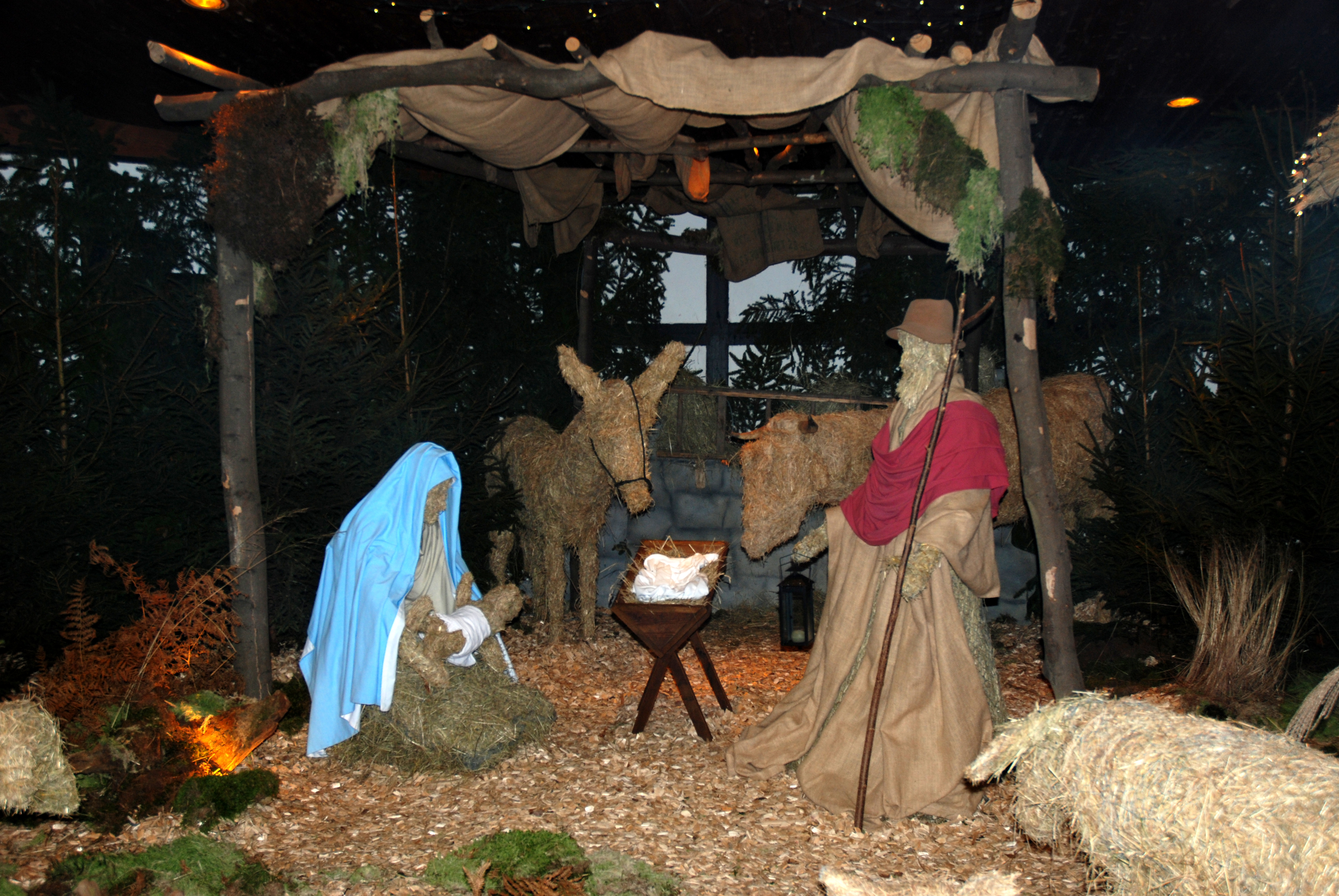
Christmas is one of the most important holidays of Christianity, and is celebrated as the birthday of Jesus. Many of the traditions surrounding the holiday have also been adopted by non-believers in Christian countries and non-Christians around the world. The Western New Year comes one week after.
Understand
In Christianity, Jesus is traditionally said to have been born the night between Christmas Eve (December 24) and Christmas Day (December 25). Some Eastern Orthodox (e.g. Russian, Serbian and Bulgarian) and Oriental Orthodox (e.g. Coptic and Ethiopian) churches follow the Julian calendar, meaning that Christmas falls on what is 7th January on the Gregorian calendar. The Armenian church celebrates Christmas on 6th January, together with the Theophany. Various other days are also celebrated, such as Epiphany, a holiday celebrating the Magi's visit to the baby Jesus, which is the main festive day in some countries including Spain. Christmas – maybe not so coincidentally – follows a tradition found in much of Eurasia prior to the rise of Christianity to celebrate a festival of lights around the winter solstice; therefore, some Christmas traditions predate Christianity. To this day, light plays a dominant role in Christmas symbolism, especially in temperate and polar regions of the Northern Hemisphere. This time of year is winter in the Northern Hemisphere and summer in the Southern Hemisphere. Even though "white Christmas" is a cultural trope celebrated in many songs and poems, it is actually quite rare in most of the temperate zone, and in parts of Europe the time around Christmas is usually warmer than the weeks before and after. Winter in North America is usually colder, and especially the Great Lakes area can see plenty of snow in December. The exact dates of the holiday vary between countries. In the Germanic countries with the exception of the Anglosphere, most celebration happens on the 24th, which is a de facto holiday or "half a holiday" with the latter half of the day free in many professions and retail. In most English-speaking countries, the 25th is the day of most traditions. The word for Christmas in the North Germanic languages is jól (Icelandic and Faroese) / jul (Danish, Swedish, and Norwegian), which is cognate with "Yule", the Germanic Pagan winter solstice festival. "Yule" survives in modern English, and the word "Yuletide" is often used as an adjective to refer to things related to Christmas. The tradition of eating Christmas log cakes is believe
Get in
As Christmas is a major holiday in many countries, accommodation and transportation tend to be overbooked. Carriers will raise prices as far as they can get away with; sometimes travel as little as two days earlier can make the cost much more affordable. In the northern temperate zone, cold weather and darkness can complicate travel. Winter driving conditions in the north can also be unpredictable. All transport systems will be tested close to the breaking point – congestion on roads is almost a given, airports may get overcrowded (making delays more likely) and railways may become severely overbooked (get a reserved seat if you can). If you cannot adjust your travel plans, try to prepare well and take the stress with a relaxed attitude and, when travelling with children, make sure they understand that any unpleasantness of the trip will be worth it upon arrival. Travelling on Christmas Day itself is often much less hectic than travelling on the surrounding days – if there is any transport. Trains in Canada's Windsor-Quebec corridor are usually booked to full capacity on December 24 and December 26, but can be almost deserted on December 25. Likewise, airline tickets on January 1 may be cheaper than on the days before or afterwards, and airports may be quiet on that day. Most Western countries are largely shut down for Christmas Day (with many businesses closing early on Christmas Eve) as workers head home to their families. It may be very difficult, if not impossible, to buy groceries and other essentials during this period. Public transportation networks may curtail services or stop running entirely, so you should make advance preparations to cope with this day. On New Years Eve, many public transportation systems offer a special schedule, often having more night service than is common on normal days; some cities offer free public transportation on New Year's Eve in order to reduce the number of drunk drivers on the streets after midnight.
Destinations
Many people travel to, or within, the tropics or the southern hemisphere, as it is summer there. However, those who prefer winter sport or just want to experience a white Christmas travel to, or within, the northern temperate zone. While Christmas is celebrated even in many places where Christianity is a minority religion at best, some countries do not celebrate it at all and in some countries people who celebrate Christmas are targeted for harassment or worse by the government or religious extremists. If you are going to spend Christmas in a non-Christian country, and want to celebrate the holiday, you might want to check where any Christian expat community might gather. In some countries some luxury hotels arrange Christmas celebrations, as they receive many Western guests or cater to the expat community. The celebration might or might not be like what you'd expect from home. Travelers can also consider joining public holiday events, such as Christmas markets, parades, or themed attractions, which are often organized for tourists or expat communities. It is wise to plan ahead and make reservations early, as popular destinations may be crowded and accommodations can fill up quickly during the holiday season. Being informed about local practices and staying aware of safety considerations will help ensure a safe and enjoyable holiday experience.
Alps Many people go to the Alps for Christmas, and venues are overbooked. On the other hand, snow tends to be a given above certain altitudes.
Canada 1 Santa's Village and Sportsland Theme Park, 1624 Golden Beach Rd (Bracebridge, Ontario, Canada). Younger children can visit Santa and participate in age-oriented fun, while teenagers can enjoy go-karting, mini-golf, batting cages, Laser Tag, and video arcade. Camping and cabins available.
Nordic countries
While the Nordic countries are known for snow, the Nordic capitals have poor odds for a White Christmas, from a toss-up chance in Helsinki to very unusual in Copenhagen. Snow in December can be found further north, or on the mountains. Norwegians claim Father Christmas lives in Drøbak; while Rovaniemi has a famous Santaland theme park, and there is a smaller sim
Do
Churches celebrate Christmas in different ways. Christmas markets: in addition to buying Christmas decorations, Christmas delicacies and handicraft suitable as gifts, you can enjoy the atmosphere, drink mulled wine or hot chocolate, and take a round at a temporary skating rink or a merry-go-round. What is available varies across countries and individual markets. Christmas carols are sung by amateur choirs, often at free public concerts in the street (e.g. at markets) or door-to-door at private residences. Carollers usually take donations for charity, embodying the Christmas spirit of giving. Some towns and cities hold tree-lighting ceremonies. Visit some reindeer, and perhaps even have a tour with them. Available in many places in the northern parts of Finland, Sweden and Norway. Department stores and shopping malls, as well as some minor shops, create special Christmas window displays in many cities. Many Western cities decorate their main streets with illuminated displays. Public parks, many private homes and sometimes entire neighborhoods will get into the spirit as well. A "Santa Claus parade" or "Christmas parade" is held in many communities in late November or during December. Nativity plays retelling the conception and birth of Jesus are an important part of Advent for many Christians. Often performed by children, these usually form part of special church services or other public events like the tree-lighting ceremony. Many theatres in the UK, Ireland and parts of the Commonwealth put on pantomimes. These are plays based on fairy tales, with loud audience participation, elements of musical t
本指南改寫自 Wikivoyage (CC BY-SA)