Yellow vest protesters block French roadways to demand economic relief and lower fuel taxes.
Demonstrations erupted across France over the weekend as members of the grassroots "yellow vest" movement mobilized in mass protest against rising fuel pri
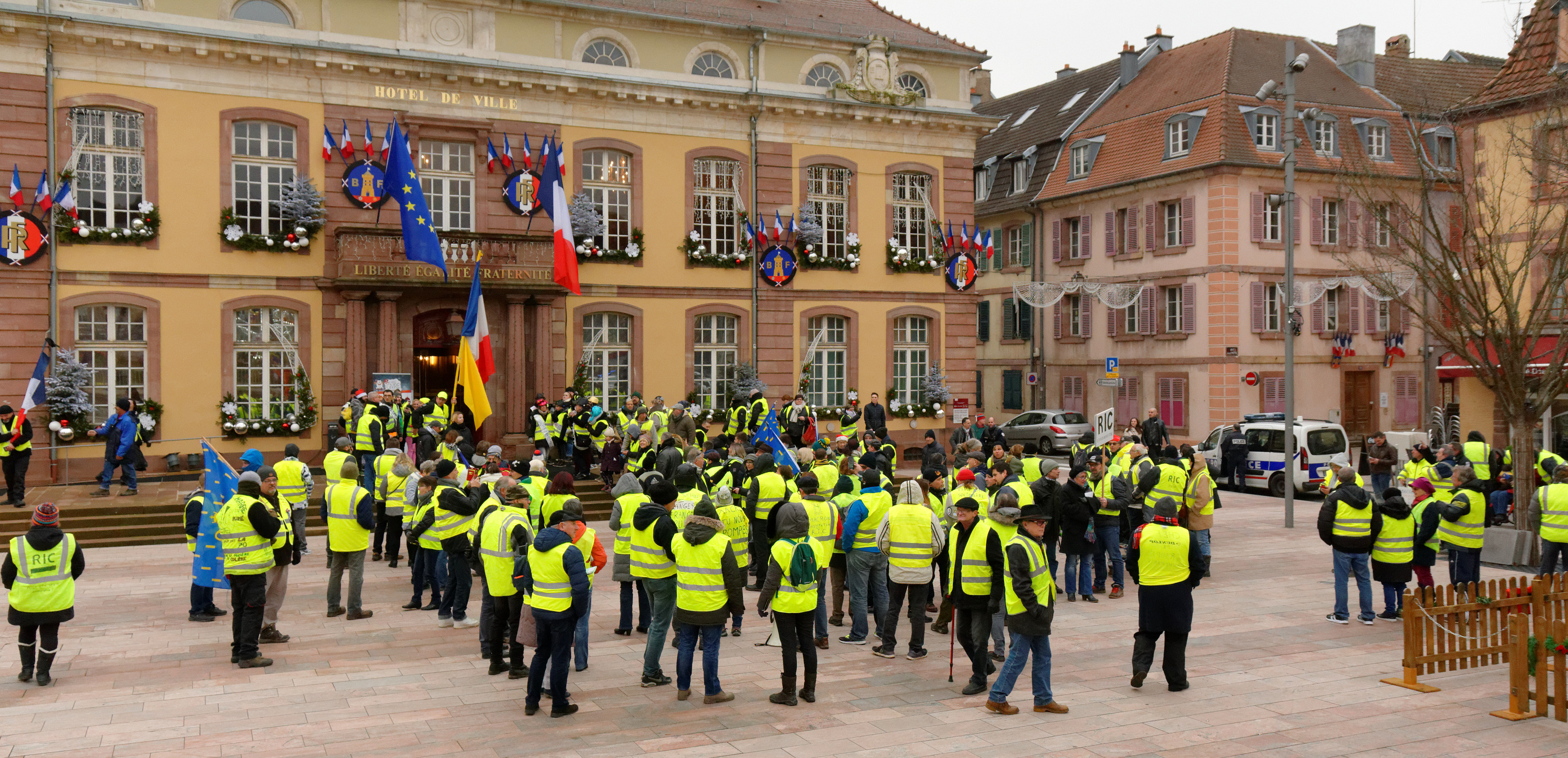
Demonstrations erupted across France over the weekend as members of the grassroots "yellow vest" movement mobilized in mass protest against rising fuel prices and worsening economic conditions, converging with ongoing student demonstrations. Wearing their signature high-visibility safety jackets, protesters blocked major roadways and gathered in city centers to voice deep-seated frustration over living costs, marking a significant escalation in public discontent that has challenged the government's economic agenda.
The mobilization stems from a wave of popular unrest that first gained traction in mid-2018, sparked initially by government plans to increase taxes on crude oil and diesel. What began as an online petition quickly ballooned into a decentralized, nationwide movement representing working- and middle-class citizens, particularly from rural and peri-urban regions who felt heavily penalized by environmental levies. Participants argued that the tax burden was distributed unfairly, disproportionately impacting households that rely daily on personal vehicles due to limited public transportation options.
Over time, the movement’s grievances broadened from fuel prices into a wider critique of economic inequality and the cost of living under President Emmanuel Macron’s administration. Demonstrators subsequently compiled an extensive list of demands addressing fiscal and social justice, including calls for higher minimum wages, the reinstatement of a solidarity wealth tax, and greater use of citizen-led referendums. While initially lacking formal leadership or traditional union backing, the movement utilized social media to coordinate weekly actions that frequently drew hundreds of thousands into the streets.
The protests have historically posed a complex challenge for French authorities, as demonstrations attracted a diverse political spectrum ranging from far-left activists to far-right groups, occasionally culminating in clashes with security forces and widespread property damage. In response to the renewed convergence of worker and student grievances, government officials are facing renewed pressure to balance fiscal responsibility and green transition policies with the immediate economic pressures facing ordinary households.
For the broader European region, the resurgence of the yellow vest movement serves as a stark reminder of the political and social vulnerabilities surrounding the green transition. As governments across the continent implement climate policies aimed at reducing carbon emissions, the French unrest highlights the critical challenge of ensuring that carbon pricing and energy reforms do not alienate working-class populations or trigger severe domestic instability, setting a cautionary precedent for policymakers managing the socio-economic costs of climate action globally.
Produced by our editorial team, with AI assistance in editing.