
Sandbank collapse in Deir el‑Balah kills five amid Gaza flooding.
Heavy rain and flooding in the central Gaza Strip last week triggered the collapse of a sandbank in the town of Deir el‑Balah, killing at least five people
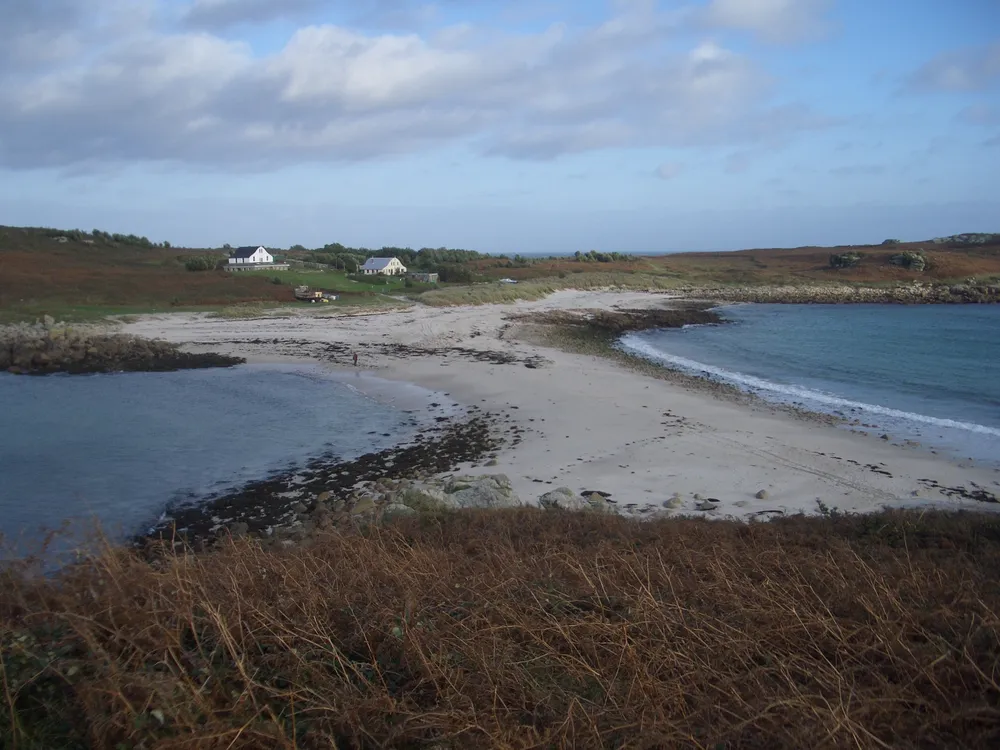
Heavy rain and flooding in the central Gaza Strip last week triggered the collapse of a sandbank in the town of Deir el‑Balah, killing at least five people—including four children—and leaving several others injured. Rescue teams from the Palestinian Ministry of Health and the United Nations Office for the Coordination of Humanitarian Affairs (OCHA) reached the site within hours, pulling survivors from the swollen Wadi al‑Khuwaireb and delivering urgent medical care to those trapped in the debris.
Deir el‑Balah sits on the eastern coast of the Gaza Strip, a region that has long struggled with limited water resources, inadequate drainage infrastructure, and frequent flash floods during the wet season. A shoal—an elevated ridge of sand or sediment that rises from the bed of a waterway—had formed in the shallow part of the local wadi, a channel that typically channels runoff away from built‑up areas. During the recent downpour, the sudden surge of water eroded the base of the shoal, causing it to give way. The collapse sent a wall of mud and sand tumbling into the channel, blocking the flow of water and trapping residents who had sought shelter in the area.
The incident underscores a broader pattern of vulnerability in Gaza’s floodplain management. Local authorities have long warned that the combination of seasonal rainfall, rising sea levels, and aging infrastructure heightens the risk of such disasters. In response, the Palestinian Authority has pledged to invest in improved drainage systems and early‑warning mechanisms, while international donors have pledged additional funds to upgrade emergency response capabilities. Meanwhile, humanitarian agencies are calling for a comprehensive assessment of flood risks across the Strip, noting that the fragile living conditions and high population density amplify the potential for casualties.
In the immediate aftermath, rescue crews worked around the clock to clear debris, stabilize the remaining sandbank, and evacuate those still trapped. Medical teams set up a temporary field hospital near the site, providing treatment for fractures, lacerations, and shock. OCHA reported that the injured were transported to nearby hospitals in Rafah and Gaza City, where specialists were already on standby. The families of the deceased have been notified, and the Ministry of Health has launched an investigation into the circumstances of the collapse, including an examination of the sandbank’s structural integrity and the adequacy of the surrounding drainage.
While the tragedy is a stark reminder of the human cost of infrastructure neglect, it also has implications for the wider region. Gaza’s ability to receive and distribute humanitarian aid is already constrained by blockades and limited port capacity. Flooding that blocks key roads and waterways can delay the delivery of essential supplies such as food, medical kits, and clean water, exacerbating the humanitarian crisis. Moreover, the incident highlights the importance of integrating climate resilience into urban planning across the Middle East, where similar floodplain hazards exist in densely populated coastal areas. As climate models predict more intense rainfall events, the need for robust flood mitigation measures—especially in vulnerable regions—will become increasingly urgent for regional stability and public health.
Produced by our editorial team, with AI assistance in editing.
