Vigilante Retaliatory Attack Leaves Dozens of Fulani Herdsmen Dead in Borgu
A retaliatory vigilante attack on two villages in the Borgu region has left between 35 and 74 Fulani herdsmen dead, marking a severe escalation in the ongo
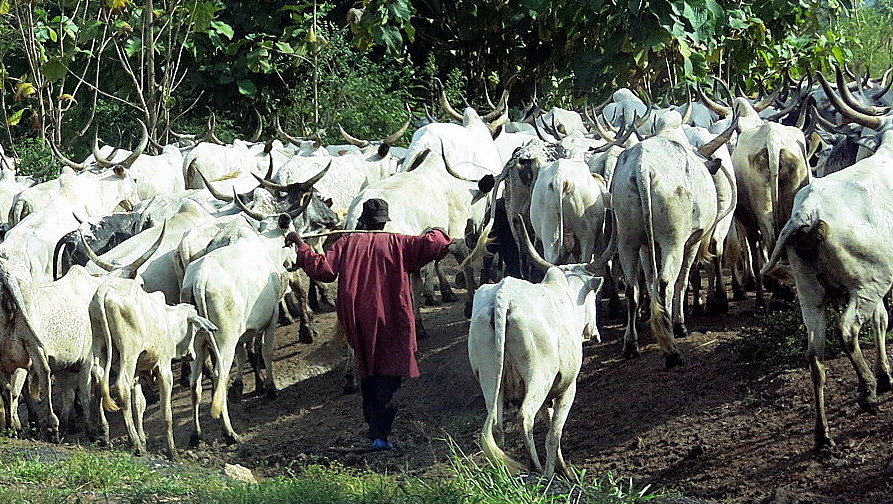
A retaliatory vigilante attack on two villages in the Borgu region has left between 35 and 74 Fulani herdsmen dead, marking a severe escalation in the ongoing communal violence plaguing West Africa’s rural belt. The deadly assault was carried out in direct response to an earlier raid conducted by armed bandits in the area, highlighting the volatile security vacuum that continues to afflict local communities where state protection remains sporadic or absent.
The victims belong to the broader Fulbe pastoralist community, a predominantly nomadic or semi-nomadic group whose primary livelihood centers on livestock raising across the Sahel and semi-arid regions of Central and West Africa. In recent years, shifting climatic patterns, desertification, and environmental degradation have severely constrained traditional grazing routes, pushing these pastoralists further south into the savannah and tropical forest belts of countries such as Nigeria, Benin, and Côte d'Ivoire.
This southward migration has intensified friction between pastoralists and settled farming communities, frequently sparking resource-based conflicts over arable land and water access. While many Fulbe herdsmen pursue traditional economic activities, the broader security landscape in the region has deteriorated significantly due to the proliferation of criminal gangs and extremist elements. These armed actors often exploit pre-existing communal grievances, carrying out raids and cattle rustling that blur the lines between localized disputes and organized banditry.
In the wake of such attacks, rural communities increasingly turn to self-defense militias and vigilante groups in the absence of robust law enforcement deployment. However, these retaliatory operations frequently result in indiscriminate violence, disproportionately targeting vulnerable pastoralist settlements and exacerbating a cycle of intercommunal bloodshed. Human rights monitors have repeatedly warned that state authorities must address the root causes of the violence—including climate displacement, land management reforms, and the impunity enjoyed by armed actors—rather than relying solely on reactive security measures.
While this humanitarian crisis is centered in West Africa, the persistent instability in the region carries broader implications for global food security, commodity supply chains, and international counter-terrorism efforts. As climate-induced migration continues to alter demographic and economic realities across the Global South, the escalation of resource conflicts serves as a critical indicator of the compounding vulnerabilities facing agrarian and pastoral economies worldwide.
Produced by our editorial team, with AI assistance in editing.