Car bomb injures 21 near Villavicencio government building
On Monday morning, a car bomb detonated just outside the Meta Department Government building in the heart of downtown Villavicencio, Colombia. The explosio
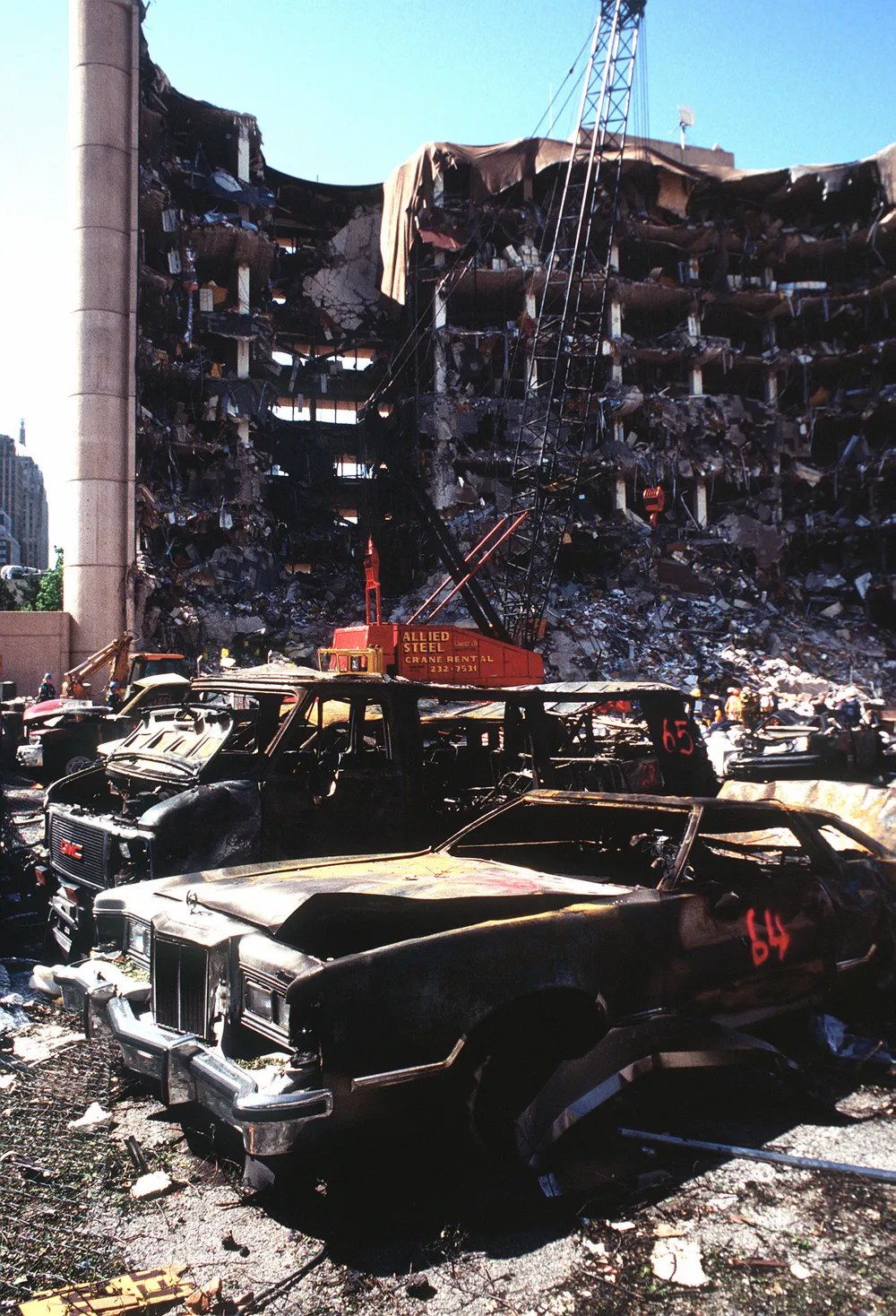
On Monday morning, a car bomb detonated just outside the Meta Department Government building in the heart of downtown Villavicencio, Colombia. The explosion ripped through the concrete façade, sending shards of glass and concrete flying into the street. Emergency crews rushed to the scene, treating at least 21 people who sustained injuries ranging from minor lacerations to severe shrapnel wounds. The blast caused no structural collapse but left the surrounding area in shock, with nearby businesses temporarily shuttered and traffic rerouted. Police and the National Police’s Counterterrorism Unit are on the scene, collecting evidence and coordinating with local authorities to secure the perimeter.
Vehicle‑borne improvised explosive devices, or VBIEDs, are a common tool in modern asymmetric warfare. They can be designed either to kill the driver or to inflict damage on surrounding targets. In the latter case, the vehicle acts as a delivery system for a large payload of explosives that may be detonated remotely or by a timer. Such devices can be disguised as ordinary cars, vans, or trucks, making detection difficult until the moment of detonation. Historically, VBIEDs have been used by insurgent groups, terrorist organizations, and guerrilla movements to target government infrastructure, civilian populations, and symbolic sites.
Villavicencio lies in the Meta Department, an area that has long been affected by the Colombian armed conflict. While the government has made significant strides in reducing violence, the region still experiences periodic attacks by leftist guerrillas, right‑wing paramilitaries, and drug‑trafficking organizations. In recent months, there have been a series of bombings and shootings aimed at government facilities, law‑enforcement posts, and public transportation hubs. The Meta Department has seen a resurgence of paramilitary activity, and the use of VBIEDs is seen as a tactic to destabilize local governance and instill fear among the populace.
The Colombian government has condemned the attack and pledged a swift investigation. The Ministry of Interior released a statement calling the bombing a "heinous act of terrorism" that will not be tolerated. The National Police’s Counterterrorism Unit is working with the Department of Meta’s local police, forensic teams, and intelligence units to identify the perpetrators. Early indications suggest the bomb may have been placed by a vehicle that had been parked near the building for several hours before detonation. Witnesses reported seeing a suspicious vehicle parked on the sidewalk, and CCTV footage is being reviewed for identifying the driver and any accomplices.
This incident underscores the persistent threat posed by vehicle‑borne explosive devices in urban centers worldwide. For Colombia, it highlights the ongoing need for robust security protocols around government buildings, improved intelligence gathering, and community outreach to prevent the recruitment of local populations into violent networks. On a broader scale, the attack serves as a reminder that the proliferation of VBIEDs can undermine regional stability, affect trade corridors, and deter tourism. While there is no direct link to Taiwan, the global security community must remain vigilant against the use of such weapons, as they can disrupt supply chains, strain diplomatic relations, and necessitate international cooperation in counter‑terrorism efforts.
Produced by our editorial team, with AI assistance in editing.