
US Crude Oil Prices Drop 2.7% to $74 as Iran Sanctions Relief Takes Effect
The price of US crude oil has seen a significant drop in recent days, with a decline of 2.7%, bringing the price per barrel down to approximately $74, mark
The price of US crude oil has seen a significant drop in recent days, with a decline of 2.7%, bringing the price per barrel down to approximately $74, marking the first time since March. This change is primarily attributed to US Treasury Secretary Scott Bessent's announcement of a 60-day waiver on sanctions for purchasing Iranian crude oil.
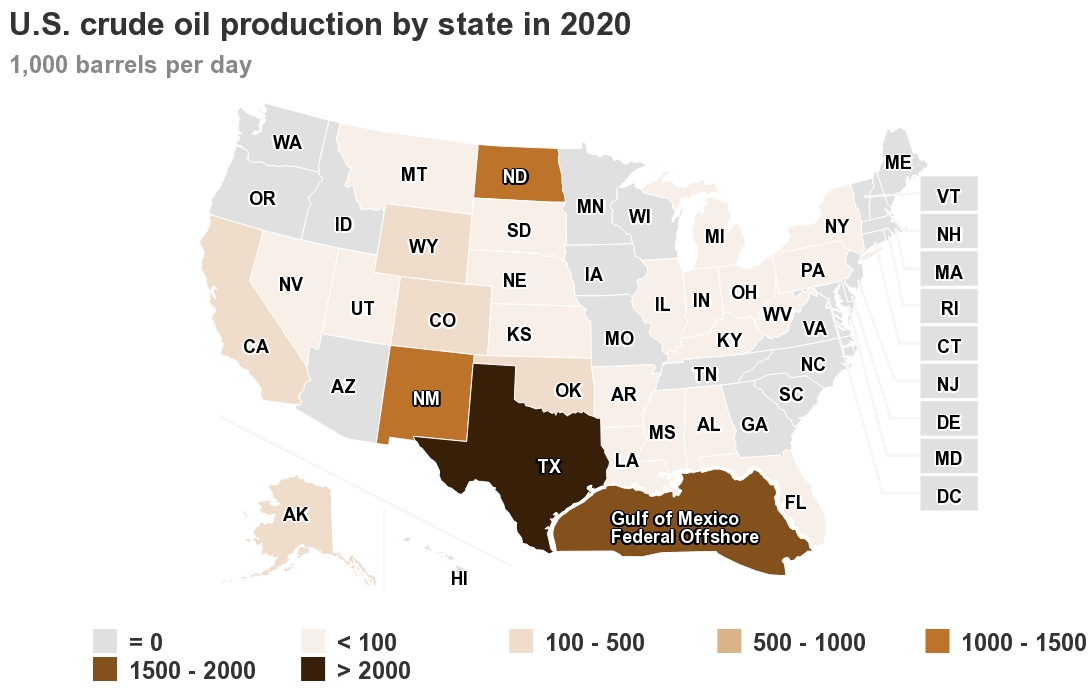
The background to this event lies in the fact that the US is currently the world's largest oil-producing country. Since the 1859 Pennsylvania oil boom, the oil industry has become a major sector in the US. This industry encompasses the exploration, production, refining, transportation, and sale of oil and natural gas. In 2023, the largest oil-producing areas in the US were Texas, followed by the federal waters of the Gulf of Mexico, then North Dakota, and New Mexico. Notably, the US became the largest oil-producing country in history in 2023, with natural gas production also reaching a historic high.
Despite the remarkable achievements in the development of the US oil industry, it faces environmental and health issues. Oil spills are a significant source of pollution, while oil production requires large amounts of water resources. The use of oil products also generates greenhouse gas emissions, affecting the environment and human health. Therefore, the development of the oil industry needs to strike a balance between economic benefits and environmental protection.
The recent announcement by the US Treasury Secretary of the sanctions waiver on Iranian crude oil purchases may have an impact on the global oil market. The waiver may increase the supply of Iranian oil, affecting global oil prices. At the same time, this event reflects the complexity of international politics and economics, as relationships and policies among countries can have a profound impact on the global market.
In the development of the oil industry, US energy policy and international relations have played a crucial role. As the world's largest oil-producing country, the US has significant influence on the global oil market, while its energy policy needs to consider environmental protection and health issues, seeking a path to sustainable development.
For Taiwan, while this event may not have a direct impact on Taiwan's energy supply, it is essential for understanding international situations and changes in the global energy market. As a part of the global economy, Taiwan needs to pay attention to changes in the international energy market to better respond to possible challenges and opportunities. Furthermore, Taiwan can learn from the US oil industry's development experience and find a suitable energy development path that balances economic, environmental, and health demands.
Produced by our editorial team, with AI assistance in editing.
