
Unidentified Drone Attacks in Black Sea Sink Merchant Vessel and Raise Security Concerns
Two merchant vessels have been struck by unidentified drones off the coast of Bulgaria in the Black Sea, resulting in the sinking of one ship, the disappea
Two merchant vessels have been struck by unidentified drones off the coast of Bulgaria in the Black Sea, resulting in the sinking of one ship, the disappearance of 11 crew members, and the rescue of 20 others. The incident marks the second such attack in the region within a span of six days, significantly escalating maritime security concerns along critical European trade corridors. Bulgarian Prime Minister Rumen Radev has openly blamed Russia for the assaults and formally summoned the Russian ambassador to Sofia to demand an explanation.
The attacks underscore the growing vulnerability of commercial shipping operating in and around conflict zones. Merchant ships—comprising everything from massive container carriers and oil tankers to smaller regional freighters—form the backbone of the global economy by transporting the vast majority of international cargo. Many of these vessels operate under flags of convenience, registered in nations with favorable legal and tax frameworks rather than the home countries of their owners, adding layers of complexity to jurisdictional protection and diplomatic accountability during crises.
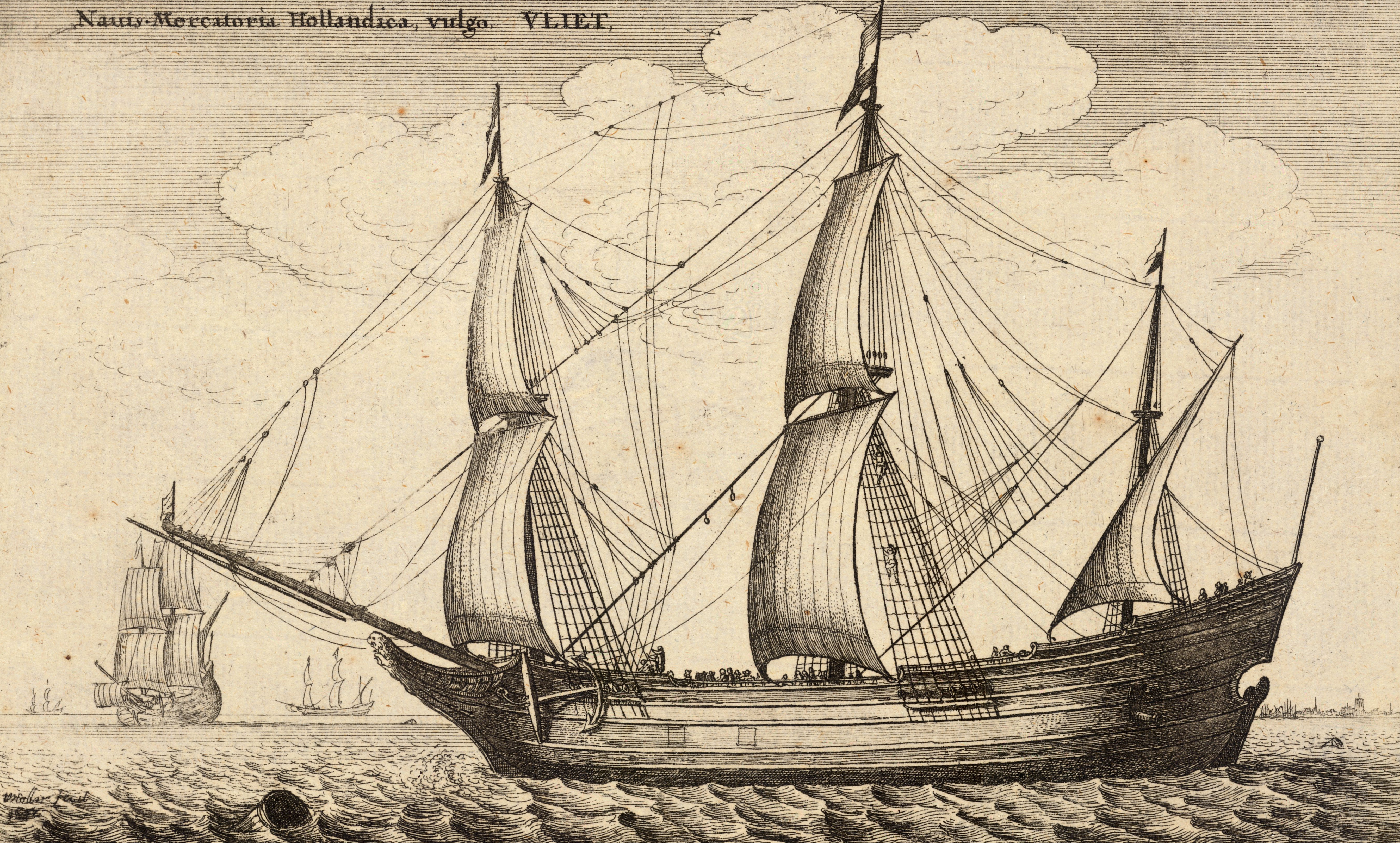
While traditionally utilized exclusively for commercial transport and passenger travel, merchant fleets have historically served as vital auxiliary support for naval operations during times of conflict, particularly in the delivery of military personnel and strategic supplies. However, the targeting of civilian trading vessels by unmanned aerial systems represents a troubling departure from standard naval warfare protocols, placing neutral commercial crews directly on the front lines of geopolitical disputes.
The escalation in the Black Sea carries profound implications for global supply chain stability and maritime commerce beyond Europe. As vital conduits for grain, energy, and manufactured goods face persistent kinetic threats, maritime insurers are reassessing risk parameters, which threatens to drive up freight costs and disrupt international trade flows. For Taiwan and other major trading economies heavily reliant on secure sea lanes, the erosion of safety norms for commercial shipping serves as an alarming precedent, highlighting the urgent need for robust deterrence against asymmetric attacks on global logistics networks.
Produced by our editorial team, with AI assistance in editing.