
Bangladesh BNP Faction Clash Injures 10 in Munshiganj Sadar.
At least ten people were injured, including five with gunshot wounds, when a violent clash erupted in Munshiganj Sadar, Bangladesh, on Thursday evening. T
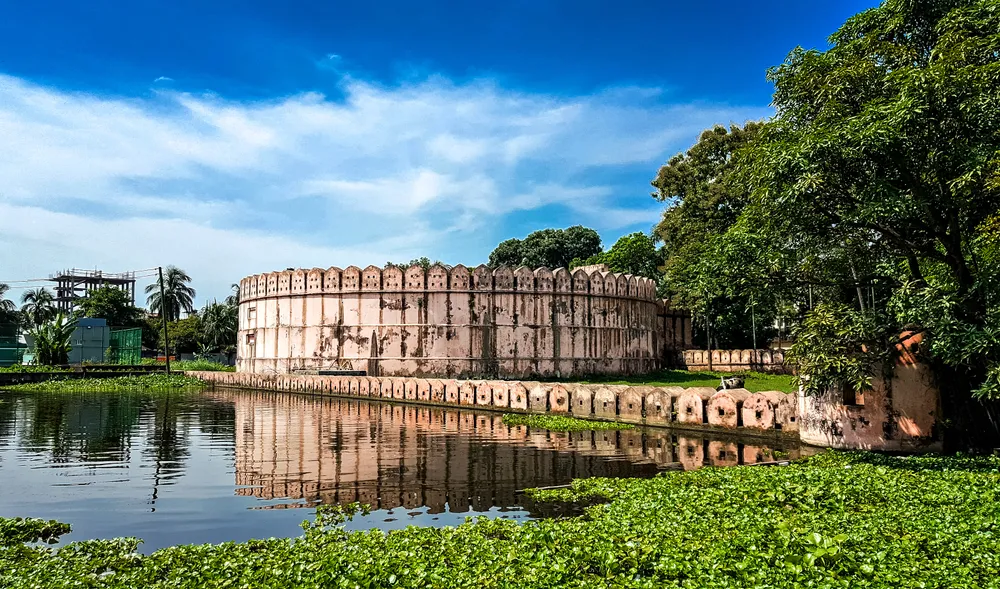
At least ten people were injured, including five with gunshot wounds, when a violent clash erupted in Munshiganj Sadar, Bangladesh, on Thursday evening. The confrontation involved gunfire and crude bomb explosions between rival factions of the Bangladesh Nationalist Party (BNP). Local police reported that the violence began after a heated dispute over party leadership and quickly escalated into an armed skirmish that left several civilians wounded and a number of homes damaged. Emergency services rushed the injured to nearby hospitals, where they are receiving treatment for their injuries.
Munshiganj Sadar is an upazila (sub-district) of the Munshiganj District, situated in the Dhaka Division of central Bangladesh. The area is predominantly agricultural, with a growing textile industry that supplies both domestic and export markets. The BNP, founded in 1978, has long been one of the country’s two major political parties, though it has been in opposition to the ruling Awami League for most of the past decade. In recent years the party has fractured into several splinter groups, each claiming legitimacy and competing for support among voters, party workers and local elites.
The clash in Munshiganj Sadar reflects the deepening rift within the BNP’s ranks. According to witnesses, the two factions—one led by former party president Khaleda Zia’s supporters and the other by a younger group of activists—had been in conflict over the allocation of party resources and the direction of future campaigns. Each side blamed the other for inciting violence; the older faction accused the younger group of “extremist tactics,” while the younger faction accused the older leaders of “political sabotage.” Police sources say the parties had issued threats in the days leading up to the incident, and a brief exchange of gunfire between the two camps quickly turned into a full‑blown firefight that spilled into the streets.
The immediate impact of the violence has been felt across the local community. In addition to the injuries, the blast caused structural damage to several shops and a residential block, forcing residents to evacuate. The municipal authorities have temporarily shut down the main thoroughfare to facilitate cleanup and to allow law enforcement to secure the area. While the scale of the damage is modest compared to the large-scale unrest that has occasionally plagued Bangladesh, the incident underscores the volatility that can erupt from intra‑party disputes, particularly in regions where political patronage and local power structures are intertwined.
For the wider region, the episode is a reminder of the fragility of Bangladesh’s political stability and its ripple effects on global supply chains. Bangladesh is a key player in the world’s apparel industry, and any disruption to local production or transport infrastructure can affect international markets. Moreover, the country’s role as a strategic partner for several regional powers means that domestic unrest can have implications for diplomatic relations and security cooperation. While the incident in Munshiganj Sadar may appear localized, it highlights the broader challenges Bangladesh faces in managing political dissent and maintaining order in a rapidly evolving economic landscape.
Produced by our editorial team, with AI assistance in editing.