
UN General Assembly Votes to Allow Palestinian Leaders Video Addresses
The United Nations General Assembly voted overwhelmingly on Tuesday to permit Palestinian President Mahmoud Abbas and other senior Palestinian officials to
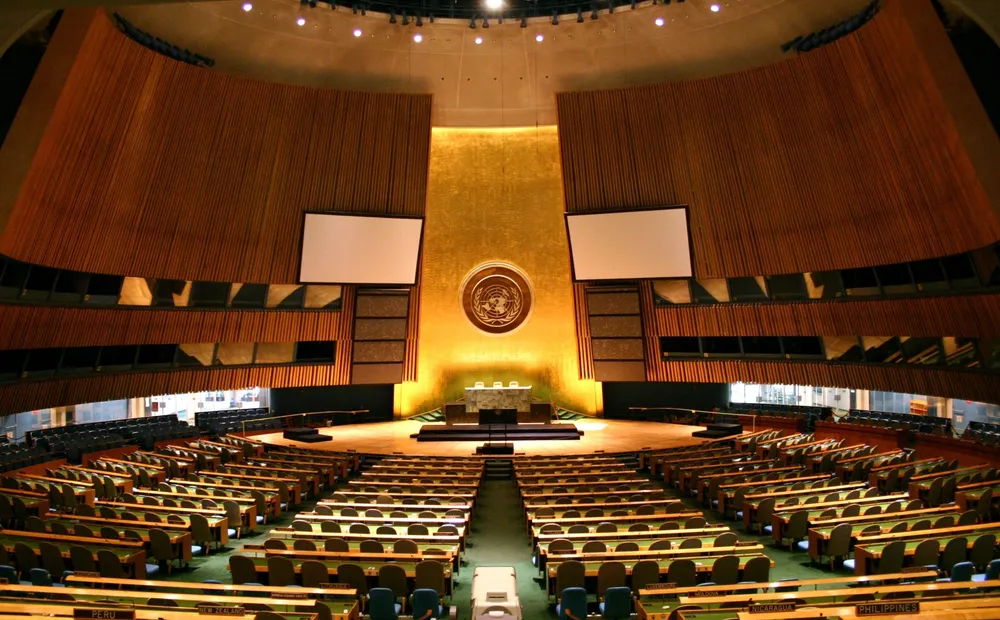
The United Nations General Assembly voted overwhelmingly on Tuesday to permit Palestinian President Mahmoud Abbas and other senior Palestinian officials to address UN meetings, including the upcoming general debate of the eighty-first session, via video link. The resolution passed with 152 votes in favour, three against, and four abstentions, following travel restrictions imposed by the United States that prevented the Palestinian leadership from travelling to the organization's headquarters in New York City.
The measure was introduced to address logistical hurdles created by American visa limitations, which effectively barred the delegation from entering the United States to participate in person. The one-year temporary arrangement ensures that the Palestinian leadership can continue to present its positions and engage directly with the international community during high-level UN proceedings, preserving diplomatic channels despite the physical restrictions.
As one of the six principal organs of the United Nations and the only body where all 193 member states hold equal representation, the General Assembly serves as the world’s primary deliberative and policymaking forum. Headquartered in New York, the body meets annually from September through January to debate pressing global challenges, oversee the organization’s budget, and issue non-binding resolutions. Tuesday's vote underscores the assembly's authority to adapt its procedures to maintain broad international representation, even when host-country restrictions complicate physical attendance.
The resolution highlights ongoing diplomatic friction between Washington, the Palestinian Authority, and the wider UN membership regarding access and representation. While the United States, along with a small minority of states, opposed the measure, the decisive 152-vote majority reflects robust global backing for Palestinian participation in multilateral governance. Proponents argued that silencing the delegation would undermine the core principles of inclusivity and open dialogue upon which the United Nations was founded.
For the broader international community, the decision reinforces the UN’s role as an inclusive arena for contested geopolitics and diplomacy, even as host nations attempt to exert sovereign control over travel. While the arrangement is limited to one year and relies on virtual participation, it sets a significant procedural precedent for how the General Assembly handles diplomatic access and ensures that globally sensitive voices continue to be heard within multilateral frameworks.
Produced by our editorial team, with AI assistance in editing.
